A bug zapper for flies effectively reduces fly populations by luring them with ultraviolet (UV) light and then electrocuting them on an internal grid or trapping them on a sticky glue board. These devices are particularly effective against common house flies and other light-attracted flying insects, transforming indoor and outdoor spaces into more comfortable, fly-free zones.
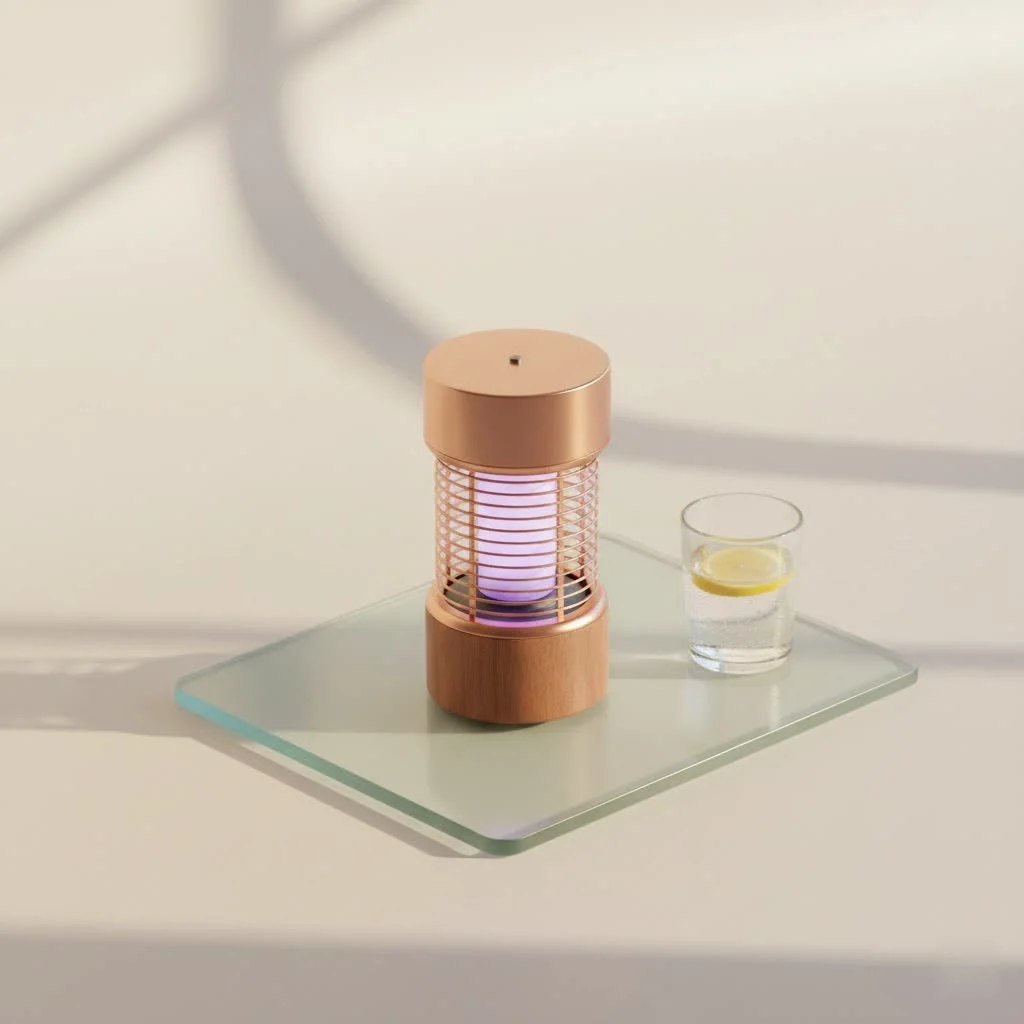
Understanding the Buzz: How Bug Zappers Target Flies
At its core, a bug zapper for flies is a deceptively simple yet brilliant piece of engineering. It typically uses ultraviolet (UV) light, which is highly attractive to many flying insects, including common house flies. Once lured by the irresistible glow, flies encounter an electrified grid and are swiftly zapped, putting an end to their aerial antics.
However, it’s crucial to understand that not all flying insects respond to UV light in the same way. While house flies and many other nuisance flies are indeed drawn to it, some pests, like certain species of mosquitoes or black flies, are less interested in the UV spectrum. “For maximum effectiveness against house flies, the blue-violet light emitted by quality bug zappers is a strong attractant,” explains Dr. Elara Vance, JRDiy’s Chief Entomologist. “It exploits their natural phototaxis, drawing them towards the grid.” This targeted attraction makes bug zappers particularly effective when your primary concern is persistent fly activity.
Types of Bug Zappers for Fly Control
Navigating the world of bug zappers can feel a bit overwhelming with the variety of options available. Knowing the different types will help you match the right tool to your specific fly problem.
Traditional Electric Grid Zappers
These are the classic, often lantern-style units you’re probably most familiar with. They feature powerful UV lights encased within a protective cage, with an electrified grid inside. When a fly touches this grid, it completes a circuit and is instantly electrocuted, usually with an audible “zap.”
- Pros: They offer immediate results and can cover large outdoor areas effectively. Many models boast significant coverage, some up to an acre, making them suitable for expansive backyards, patios, and outdoor entertainment spaces. They also operate continuously, providing ongoing protection with minimal effort once set up.
- Cons: The “zapping” sound can be startling or annoying, especially in quiet environments. More importantly, the electrocution can cause insect fragments to “blow out” into the surrounding area. This makes them less ideal for indoor use, particularly in kitchens or dining areas, due to potential hygiene concerns. They also don’t discriminate, often zapping beneficial insects like moths and beetles alongside the flies.
|
Our Picks for the Best Bug Zapper in 2026
As an Amazon Associate I earn from qualifying purchases.
|
||
| Num | Product | Action |
|---|---|---|
| 1 | AMUFER Bug Zapper Outdoor Indoor, 18W Power & 4400V Instant Grid Mosquito Repellent, Insect Control Efficiency Increased 100%, 1/2 Acre Coverage, Fly Trap for Patio, Backyard, Home |

|
| 2 | YISSVIC Bug Zapper Outdoor Indoor Waterproof Electric Mosquito Lamp Fly Zapper Killer Effective 4200V Plug in for Home Patio Office Courtyard (One-Light Control Bug Zapper) |
|
| 3 | Bug Zapper Outdoor, Mosquito Zapper Indoor with Dusk to Dawn Light Sensor, 4000V Electric Fly Zapper, Waterproof Mosquito Killer, Fly Trap for Home, Patio, Kitchen, Garden - 9.8 FT Length Cable |
|
| 4 | Flowtron Bug Zapper, 1 Acre of Outdoor Coverage with Powerful 40W Bulb & 5600V Instant Killing Grid, Electric Insect, Fly & Mosquito Zapper, Made in The USA |
|
| 5 | FVOAI Bug Zapper Outdoor, Mosquito Zapper, Fly Zapper, Insect Zapper Electric Fly Traps for 1/2 Acre, Indoor Outdoor Use with 3 Prong Plug-in,4200V, ABS Plastic Outer, Black |
|
| 6 | BugMD Fruit Fly Trap Indoor for Safer Home, Gnat Traps for House Indoor, Gnat Killer, Plug in Bug Catcher, Fly Trap, Insect Traps, Fruit Fly Killer |
|
| 7 | LiBa Electric Bug Zapper, Indoor Insect Killer - (2) Extra Replacement Bulbs - Fly, Mosquito Killer and Repellent - Lightweight, Powerful 2800V Grid, Easy-to-Clean, with a Removable Washable Tray. |
|
| 8 | GOOTOP Bug Zapper Outdoor, Mosquito Zapper, 3 Prong Plug in Electric Fly Zapper, Mosquito Killer, Fly Traps, Flying Insects Zapper Indoor Outdoor 90-130V, 4200V, ABS Plastic Outer (Black) |
|
| 9 | DEVOGUE® Electric Fly Swatter Bug Zapper Battery Operated Flies Killer Indoor & Outdoor Pest Control Mosquito Zapper and Insect Catcher Racket |
|
| 10 | ASPECTEK Insect Killer, Bug Zapper, Powerful 20W Electronic Indoor Fly Zapper, Mosquito Killer-Indoor Use Including Free 2 Pack Replacement Bulbs |
|
Glue Board Zappers (Modern UV Traps)
A more refined evolution for indoor fly control, these devices also use UV light to attract insects, but instead of an electric grid, they employ a sticky glue board. Once a fly lands on the board, it’s trapped.
- Pros: The primary advantage of glue board zappers is their discreet and hygienic operation. They are silent – no startling zaps – and they securely contain dead insects on the adhesive surface, eliminating the “blow-out” issue. This makes them significantly safer and more acceptable for indoor environments like homes, kitchens, and offices. They are also highly effective for smaller flies, gnats, and fruit flies that might otherwise escape a traditional zapper’s grid.
- Cons: The glue boards require periodic replacement, which is an ongoing cost and maintenance task. They are typically designed for smaller areas and may not offer the expansive coverage of a large outdoor electric zapper.
Handheld Electric Swatters
Think of these as an upgraded, electrified fly swatter. Shaped like a tennis racket, they allow for direct, active engagement with individual flies.
- Pros: These are excellent for instant, targeted relief. When a fly is buzzing around your head at a barbecue, a handheld zapper provides a satisfying, chemical-free way to deal with it immediately. They are portable and require no setup, making them perfect for on-the-spot fly removal.
- Cons: They demand manual effort and are not a passive solution for widespread fly control. Their range is limited to where you can physically swing them.
Choosing the Best Bug Zapper for Flies: Indoor vs. Outdoor Considerations
Deciding on the right bug zapper for flies hinges heavily on where you plan to use it. The needs of an indoor space are vastly different from those of an expansive backyard.
For Indoor Use
When flies infiltrate your home, hygiene and discretion are paramount.
- Prioritize Glue Board Traps: As Liam Chen, our Senior Pest Control Specialist, advises, “For indoor fly problems, especially in areas like your kitchen or dining room, a glue board zapper is your best friend. It’s quiet, clean, and won’t scatter insect debris.” These units often blend seamlessly into home décor, sometimes even doubling as a subtle nightlight.
- Strategic Placement: Position indoor units near entry points like doors and windows where flies typically enter. If you’re battling fruit flies, place a smaller unit near your fruit bowl or houseplants. Always keep them away from direct food preparation surfaces to maintain optimal hygiene.
- Safety First: Modern indoor units are designed with safety in mind, featuring enclosed grids or glue boards that are out of reach. However, always ensure any device is placed safely away from curious pets and small children.
For Outdoor Use
Outdoor areas present a different set of challenges, often requiring robust solutions to manage larger fly populations.
- Traditional Electric Zappers Shine: For open-air spaces like patios, decks, or large backyards, traditional electric grid bug zappers are generally the go-to. Their powerful UV lights and larger coverage areas are designed to tackle a broader influx of flying insects.
- Consider Coverage Area: Outdoor zappers are often rated by the acreage they can effectively cover. Choose a model appropriate for the size of your space.
- Weatherproofing is Key: Ensure any outdoor unit is rated for outdoor use and can withstand varying weather conditions.
- Optimal Placement: This is critical for outdoor zapper effectiveness.
- Distance is Your Friend: Place the zapper 20 to 75 feet away from where people gather. This draws flies away from you, preventing them from being attracted to your immediate vicinity.
- Height Matters: Hang your bug zapper at a height of 5 to 7 feet off the ground. This places it in the typical flight path of many flies and other flying insects, maximizing its attractive power.
- Away from Competing Lights: For the UV light to be most effective, ensure the zapper is not competing with other bright outdoor lights. Darker areas will make the zapper’s light more prominent and appealing to flies.
Supplemental Attractants (Use with Caution)
Some bug zappers come with or can be enhanced by attractants like octenol. While octenol is often marketed for mosquitoes, its effectiveness for house flies is limited. “While some general insect attractants exist, for flies specifically, the UV light is the primary drawing card,” says Dr. Vance. “Focus more on optimal placement of your UV light zapper rather than relying heavily on additional lures for house flies.”
Setting Up Your Bug Zapper for Maximum Fly-Zapping Power
Proper installation is just as important as choosing the right unit. Here’s how to get your bug zapper for flies up and running for peak performance:
- Select a Sturdy Mounting Point: For outdoor units, shepherd’s hooks, sturdy poles, or overhangs are excellent choices. Ensure the mounting point is stable enough to hold the zapper securely, especially in windy conditions.
- Ensure Proper Height: As mentioned, 5 to 7 feet is the sweet spot for most flying insects. Use a measuring tape to get it right.
- Power Up Safely:
- Grounded Outlets: Always plug your bug zapper into a grounded electrical outlet.
- Extension Cords: If an extension cord is needed, use one rated for outdoor use (if applicable) and of sufficient gauge for the zapper’s wattage to prevent overheating.
- Waterproof Connections: For outdoor use, ensure all electrical connections are waterproofed and secured to prevent short circuits, especially in wet weather.
- Turn It On and Let It Work: Bug zappers are most effective when left on continuously, particularly during peak insect activity times (dawn, dusk, and throughout the night for many flying insects). Avoid frequently turning it off and on, as this can reduce bulb lifespan and effectiveness.
Keeping Your Fly Zapper in Top Shape: Maintenance Tips
Like any appliance, regular maintenance will ensure your bug zapper for flies continues to perform effectively and lasts for years.
- Regular Cleaning is Crucial:
- Empty the Collection Tray: Most bug zappers have a removable tray at the bottom that collects dead insects. Empty this regularly, at least weekly, or more often during high activity periods. Neglecting this can lead to odor, attract more pests, and reduce efficiency.
- Clean the Grid: Over time, insect debris can build up on the electric grid, reducing its effectiveness. Always unplug the unit before cleaning! Use a small brush (often supplied with the zapper) or a stiff-bristled paintbrush to gently brush away any trapped insect parts. For glue board traps, simply replace the sticky card when it’s mostly covered.
- Check and Replace UV Bulbs: The UV bulbs in your bug zapper lose their effectiveness over time, even if they still appear to be glowing.
- Fluorescent Bulbs: Typically need to be replaced every 6-12 months, depending on usage, to maintain optimal UV output.
- LED Bulbs: Generally last much longer, but check manufacturer recommendations for replacement intervals.
- Always use replacement bulbs specifically designed for your model to ensure proper fit and UV spectrum.
- Inspect for Damage: Periodically check the power cord, housing, and grid for any signs of damage or wear and tear. A damaged unit should be repaired or replaced to ensure safety.
Beyond the Zap: Combining Strategies for a Fly-Free Zone
While a bug zapper for flies is a powerful tool, an integrated approach often yields the best results. Think of your bug zapper as a key player in a larger team.
- Sanitation is Foundation: Flies are attracted to food, garbage, and decaying organic matter. Keep your home and outdoor areas meticulously clean, especially around trash bins and pet waste areas.
- Physical Barriers: Ensure windows and doors have well-fitting screens to prevent flies from entering your home.
- Traditional Fly Traps: For specific situations, such as fruit flies in the kitchen or large blow flies outdoors, bait traps or sticky traps can complement your zapper by targeting pests that might not be as strongly attracted to UV light.
- Airflow Management: Indoors, even a simple fan can help deter flies by making it difficult for them to fly and land.
By combining these strategies with your bug zapper, you create a multi-layered defense that dramatically reduces fly populations and enhances your comfort.
Common Questions About Bug Zappers for Flies
Here are answers to some of the most frequently asked questions we receive at JRDiy:
Do bug zappers kill all types of flies?
Not necessarily. While they are highly effective for house flies and other light-attracted flying insects, their efficacy varies for species like black flies or mosquitoes, which are not as strongly drawn to UV light.
Are bug zappers effective against mosquitoes?
Generally, no. Mosquitoes are primarily attracted to CO2 and heat, not UV light. While a zapper might catch a few by chance, they are not an effective primary solution for mosquito control. For mosquitoes, consider specialized traps or repellents.
Are bug zappers noisy?
Traditional electric grid bug zappers often produce an audible “zap” sound when an insect is electrocuted. The frequency of this sound depends on the insect activity. Glue board zappers, however, are completely silent.
Are bug zappers safe for pets and children?
Modern bug zappers, especially those designed for indoor use or reputable outdoor models, typically feature protective cages to prevent accidental contact with the electrified grid. However, caution is always advised, and units should be placed out of reach of curious children and pets. Glue board traps are generally considered the safest option.
How often should I clean my bug zapper?
For optimal performance, empty the collection tray and gently brush the grid weekly during peak insect season. Glue boards should be replaced when they are mostly covered with insects.
Reclaim Your Space from Flies
Dealing with flies doesn’t have to be a losing battle. With the right bug zapper for flies, properly placed and maintained, you can significantly reduce their presence and enjoy your indoor and outdoor spaces more fully. At JRDiy, our mission is to empower you with practical, expert-backed knowledge. So, go ahead, choose your weapon, follow these tips, and take back your comfort. Share your experiences with us – we’re always keen to hear how our community is creating healthier, happier, fly-free environments!
Set Up Your Bug Zapper for Maximum Fly-Zapping Power
Properly install your bug zapper to ensure peak performance and effectively reduce fly populations in your space.
- Select a Sturdy Mounting Point
For outdoor units, choose shepherd's hooks, sturdy poles, or overhangs. Ensure the mounting point is stable enough to securely hold the zapper, especially in windy conditions, to prevent it from falling or being damaged. - Ensure Proper Height for Placement
Hang your bug zapper at a height of 5 to 7 feet off the ground. This places it in the typical flight path of many flies and other flying insects, maximizing its attractive power and effectiveness. - Power Up Safely
Always plug your bug zapper into a grounded electrical outlet. If an extension cord is needed, use one rated for outdoor use (if applicable) and of sufficient gauge for the zapper's wattage to prevent overheating. For outdoor use, ensure all electrical connections are waterproofed and secured to prevent short circuits, especially in wet weather. - Turn It On and Let It Work Continuously
Bug zappers are most effective when left on continuously, particularly during peak insect activity times such as dawn, dusk, and throughout the night for many flying insects. Avoid frequently turning it off and on, as this can reduce bulb lifespan and overall effectiveness.

This was a good breakdown of how bug zappers work for flies. I appreciated the mention of the electrified grid versus glue boards. I went with a model that has the grid, and it’s been pretty satisfying to hear those little zaps. It’s definitely cut down on the number of flies buzzing around our back porch, making evenings much more pleasant.
I bought a bug zapper after reading about how they use UV light to attract flies. It does zap some, but I’m still seeing a fair amount of flies inside, especially near the kitchen. I think maybe I needed a more powerful one for the size of my open-plan living area. It’s okay, but not the complete fly-free zone I was hoping for.
Finally, a solution for the relentless house flies! I’d tried sprays and traps, but nothing really made a dent until I got a bug zapper. The information here about how they target common house flies with UV light was spot on. My indoor spaces are so much more comfortable now, and I don’t have to constantly worry about flies landing on everything. Best purchase for pest control this year.
I was skeptical about how well a bug zapper would work specifically for flies, but this guide really helped me pick the right one. We had a terrible problem with house flies around our patio, especially during BBQ season. The UV light feature on the model I got is super effective; it’s made a huge difference in enjoying our outdoor space without constant swatting. Definitely recommend looking into one if you’re dealing with similar issues.