There’s nothing quite like the unwelcome hum of a mosquito during a quiet evening, or the persistent dance of fruit flies around your kitchen. As someone who’s spent over 15 years immersed in the world of bug zappers, testing countless models and understanding their intricate workings, I can tell you that reclaiming your indoor space from these pesky invaders is not just a dream – it’s an achievable reality. Here at JRDiy.com, our mission is to empower you with the knowledge to choose, use, and maintain the perfect Indoor Bug Zapper for a truly bug-free home. Forget the sprays and sticky strips; let’s dive into a smarter, more efficient way to deal with flying insects.
How Do Indoor Bug Zappers Work Their Magic?
At its core, an indoor bug zapper operates on a deceptively simple yet highly effective principle: attraction and elimination. Most models feature a specialized ultraviolet (UV) light, often in the UV-A spectrum, which acts like an irresistible beacon for many flying insects, including flies, moths, and gnats. Insects, much like us, are drawn to light, but their visual perception is different, making UV-A particularly appealing.
Once these unsuspecting pests are lured close to the light source, they encounter an electrified metal grid. This grid carries a high-voltage, low-amperage current. When an insect completes the circuit by touching two wires simultaneously, it’s instantly electrocuted, producing that characteristic “zap” sound. It’s quick, efficient, and for many, a deeply satisfying sound of a pest problem solved.
However, not all indoor insect killers operate with a “zap.” Another popular variant combines the same UV light attraction with a sticky glue board. Instead of an electric shock, bugs fly towards the light and get permanently stuck on the adhesive surface. This offers a silent, chemical-free alternative, making it ideal for bedrooms or other quiet spaces where the “zap” might be disruptive. Both methods aim to reduce the flying insect population effectively, giving you back control of your living environment.
Navigating the World of Indoor Bug Zapper Types
The term “bug zapper” often conjures up images of outdoor units, but the indoor market is diverse and specifically designed for your home environment. Understanding the different types is the first step in making an informed choice.
Traditional Electric Grid Zappers
These are the classic indoor bug zappers most people imagine. They utilize UV light to draw in pests, which are then annihilated by a high-voltage grid.
- Pros: Instantaneous kill, effective against a wide range of flying insects, and for some, the audible “zap” provides immediate reassurance that it’s working. Many models offer significant coverage areas, often ranging from 600 to over 1200 square feet.
- Cons: The “zap” can be startling, especially at night. There might also be a faint burnt smell, and insect fragmentation can occur, requiring more frequent cleaning of the collection tray.
|
Our Picks for the Best Bug Zapper in 2026
As an Amazon Associate I earn from qualifying purchases.
|
||
| Num | Product | Action |
|---|---|---|
| 1 | ASPECTEK Insect Killer, Bug Zapper, Powerful 20W Electronic Indoor Fly Zapper, Mosquito Killer-Indoor Use Including Free 2 Pack Replacement Bulbs |

|
| 2 | DEVOGUE® Electric Fly Swatter Bug Zapper Battery Operated Flies Killer Indoor & Outdoor Pest Control Mosquito Zapper and Insect Catcher Racket |
|
| 3 | Flowtron Bug Zapper, 1 Acre of Outdoor Coverage with Powerful 40W Bulb & 5600V Instant Killing Grid, Electric Insect, Fly & Mosquito Zapper, Made in The USA |
|
| 4 | BugMD Fruit Fly Trap Indoor for Safer Home, Gnat Traps for House Indoor, Gnat Killer, Plug in Bug Catcher, Fly Trap, Insect Traps, Fruit Fly Killer |
|
| 5 | FVOAI Bug Zapper Outdoor, Mosquito Zapper, Fly Zapper, Insect Zapper Electric Fly Traps for 1/2 Acre, Indoor Outdoor Use with 3 Prong Plug-in,4200V, ABS Plastic Outer, Black |
|
| 6 | AMUFER Bug Zapper Outdoor Indoor, 18W Power & 4400V Instant Grid Mosquito Repellent, Insect Control Efficiency Increased 100%, 1/2 Acre Coverage, Fly Trap for Patio, Backyard, Home |
|
| 7 | Bug Zapper Outdoor, Mosquito Zapper Indoor with Dusk to Dawn Light Sensor, 4000V Electric Fly Zapper, Waterproof Mosquito Killer, Fly Trap for Home, Patio, Kitchen, Garden - 9.8 FT Length Cable |
|
| 8 | YISSVIC Bug Zapper Outdoor Indoor Waterproof Electric Mosquito Lamp Fly Zapper Killer Effective 4200V Plug in for Home Patio Office Courtyard (One-Light Control Bug Zapper) |
|
| 9 | LiBa Electric Bug Zapper, Indoor Insect Killer - (2) Extra Replacement Bulbs - Fly, Mosquito Killer and Repellent - Lightweight, Powerful 2800V Grid, Easy-to-Clean, with a Removable Washable Tray. |
|
| 10 | GOOTOP Bug Zapper Outdoor, Mosquito Zapper, 3 Prong Plug in Electric Fly Zapper, Mosquito Killer, Fly Traps, Flying Insects Zapper Indoor Outdoor 90-130V, 4200V, ABS Plastic Outer (Black) |
|
UV Light Traps with Sticky Glue Boards
If silence is golden in your home, these are your go-to. They use UV light to attract insects, but instead of an electric grid, they employ replaceable sticky glue boards to trap them.
- Pros: Completely silent operation, no burnt smell or fragmented insect parts flying around. They are often more discreet in design and chemical-free, relying purely on light and adhesion. This type is excellent for fruit flies, gnats, and smaller moths.
- Cons: You’ll need to regularly replace the glue boards, which can be an ongoing expense, and some people find the sight of trapped insects unappealing.
Plug-in Mini Zappers
Compact and convenient, these small devices plug directly into a wall outlet. They typically feature a smaller UV light and a miniature grid or glue board.
- Pros: Highly discreet, perfect for targeted areas like kitchens, bathrooms, or near specific problem zones. They are excellent for dealing with localized infestations of fruit flies, drain flies, or gnats.
- Cons: Their coverage area is limited, usually suitable for only one small room, and they may not be powerful enough for larger insect problems.
Integrated Bulb Zappers
These innovative devices are designed to replace a standard light bulb, often offering both regular illumination and bug-zapping capabilities.
- Pros: Extremely easy to install – simply screw it into an existing light fixture. They offer dual functionality, providing light while quietly attracting and zapping bugs.
- Cons: The effectiveness can be limited by the placement of the light fixture itself; if it’s not in an optimal location for bug attraction, its pest control capabilities might be reduced. Also, the light output might not be ideal for all situations.
Choosing the Right Indoor Bug Zapper for Your Home
Selecting the ideal indoor bug zapper isn’t a one-size-fits-all situation. It truly depends on your specific needs, the layout of your home, and the types of pests you’re battling. Drawing on years of field experience, here’s what I recommend considering:
Consider Your Pest Problem
Different insects respond to different attractants. UV-A light at around 365 nm is highly effective for fruit flies, fungus gnats, and many small moths. However, mosquitoes are a bit trickier. While some are drawn to UV light, they are more strongly attracted to CO2 and specific pheromones. If mosquitoes are your primary concern, look for indoor bug zappers that also incorporate octenol lures or other mosquito-specific attractants.
Coverage Area
Size matters when it comes to effectively clearing a room.
- Small rooms (kitchen, bedroom, office): A compact plug-in unit or a UV light trap with a glue board might be all you need, often covering up to a few hundred square feet.
- Large, open-plan areas or basements: You’ll want a more powerful unit, typically with higher wattage bulbs (e.g., 20W or 40W) and a larger coverage rating, some offering up to 6,000 square feet of protection.
Safety Features (Crucial for Indoor Use)
This is paramount, especially if you have children or pets.
- Protective Casing: A durable outer shell or grounded metal bars are essential to prevent accidental contact with the electrified grid. Small fingers and curious paws should not be able to reach the internal components.
- Low Voltage: While all electric zappers use high voltage to kill bugs, indoor-specific models are designed with safety in mind, ensuring the amperage is low enough not to be dangerous to humans or larger animals.
- Chemical-Free: Most indoor bug zappers are inherently chemical-free, making them a safer alternative to sprays. If lures are used, ensure they are non-toxic, like octenol.
- Cool-Touch Exterior: Some units can get warm with extended use. Look for models with heat-resistant housing to prevent accidental burns.
Noise Level
The “zap” can be a deal-breaker for some. If you’re sensitive to noise or placing the unit in a bedroom, a silent glue board trap is an excellent choice. If a little noise doesn’t bother you and you appreciate the audible confirmation of a kill, a traditional electric grid zapper will work fine.
Ease of Cleaning and Maintenance
No one wants a complicated cleaning routine. Look for models with:
- Removable Collection Trays: These make emptying dead insects quick and hygienic.
- Simple Bulb Replacement: UV bulbs lose effectiveness over time, so easy access for replacement is a plus.
Aesthetics
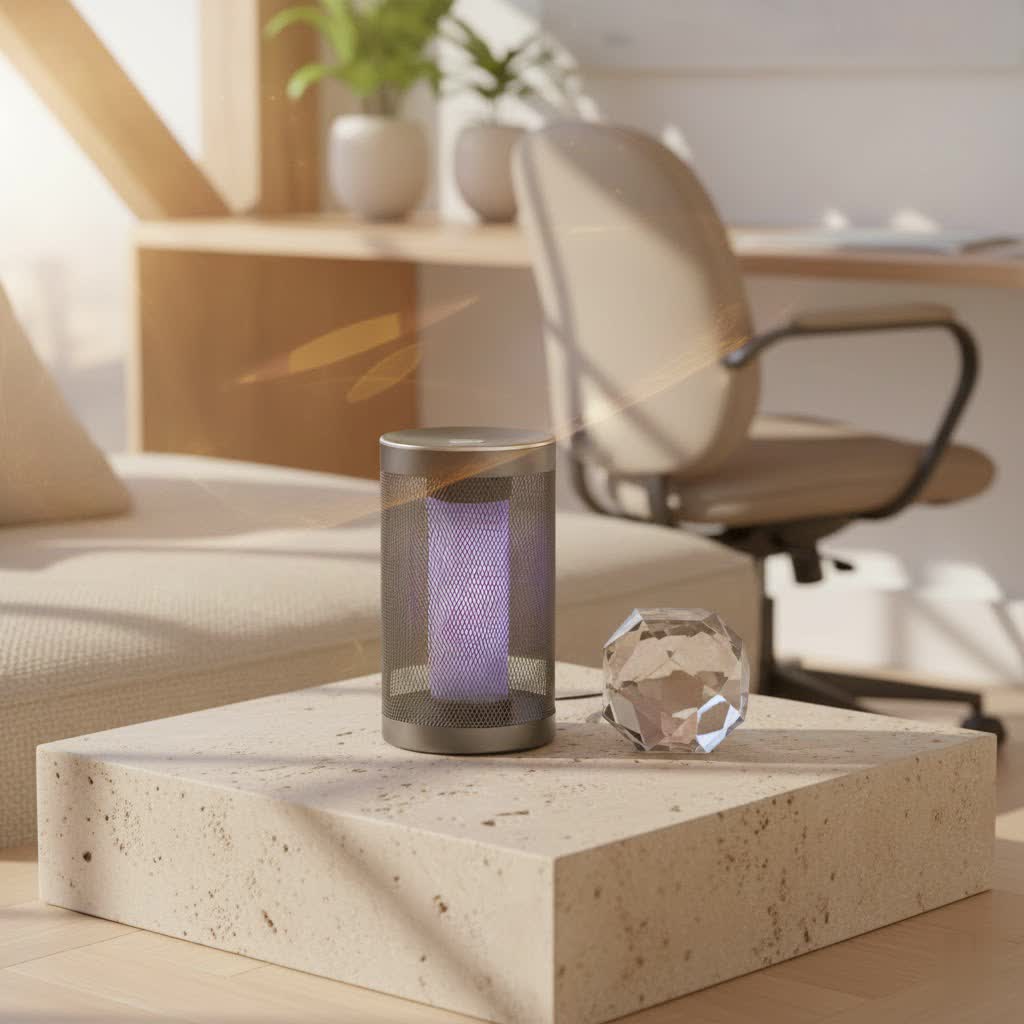
Let’s face it, a bug zapper doesn’t have to be an eyesore. Many modern indoor bug zappers come in sleek designs that blend seamlessly with home decor, looking more like a decorative lantern or a discreet night light.
Installation and Safe Usage: My 15 Years of Practical Wisdom
After years of hands-on experience, I’ve found that even the best indoor bug zapper won’t perform optimally if not installed and used correctly. Here are my top tips for maximizing effectiveness and ensuring safety:
Placement is Key
Strategic placement is the single most important factor.
- Away from Competing Light Sources: UV light is the primary attractant. Placing your zapper near a window, TV, or other bright lights can significantly reduce its effectiveness as bugs will be confused or drawn elsewhere. Position it in a darker corner of the room if possible.
- Not Too Close to People: While it might seem counterintuitive, placing a bug zapper right next to where you sit can actually draw bugs towards you first. The heat and CO2 you emit are also attractants. Aim to place larger units 15-20 feet away from your main living areas.
- Recommended Height: For optimal reach and to align with insects’ natural flight paths, mount or place your zapper 5-7 feet off the ground. Many units come with chains for hanging. This also keeps it safely out of reach of small children and pets.
- Avoid Sensitive Areas: Never place an indoor bug zapper directly above food prep areas or where children and pets frequently play. While designed for safety, caution is always best.
Power Source
Always plug your indoor bug zapper directly into a wall outlet. Avoid using overloaded extension cords or power strips, which can pose electrical hazards.
Initial Setup
Once plugged in, allow the zapper some time to work its magic. For a significant insect problem, you might notice a difference within hours, but it often takes 24-48 hours for the unit to make a substantial impact on the local insect population. Always read the manufacturer’s instructions specific to your model for any unique setup requirements.
Keeping Your Indoor Bug Zapper Performing Like New: Maintenance Tips
A well-maintained indoor bug zapper is an effective bug zapper. Regular care not only ensures optimal performance but also extends the life of your unit.
Regular Cleaning
This is non-negotiable for electric grid zappers.
- Always Unplug First! Safety is paramount. Disconnect the power before touching any part of the unit.
- Empty and Clean Collection Tray: Depending on bug activity, empty the tray weekly or bi-weekly. A simple rinse with soapy water and thorough drying is usually sufficient.
- Gentle Brush for Grid: Over time, dead insect remnants can build up on the electric grid, reducing its efficiency. Use a small, soft brush (often included with the zapper) to gently clear away any stuck insects. Be careful not to damage the wires.
- Wipe Exterior: A damp cloth is perfect for cleaning the outer casing, keeping your zapper looking good and free of dust. Avoid harsh chemicals.
Bulb Replacement
The UV bulbs are the heart of your indoor bug zapper‘s attraction power. Over time, even if they still light up, their UV output diminishes.
- Schedule: As a rule of thumb, replace UV bulbs annually, or after approximately 3,000 hours of use, even if they haven’t burned out.
- Procedure: Again, always unplug the unit first! For electric grid models, it’s a good practice to use an insulated screwdriver to touch the inner high-voltage grid for 30 seconds to a minute after unplugging, just to discharge any residual electricity. Then, follow your model’s specific instructions for bulb removal and replacement.
Storage
If you only use your indoor bug zapper seasonally, store it in a dry, safe place during the off-season. Clean it thoroughly before storage to prevent any lingering odors or attracting pests.
Common Indoor Bug Zapper Issues and Quick Fixes
Even with the best intentions, you might encounter a snag or two. Here are some common problems and the quick fixes I’ve advised countless JRDiy readers on:
-
“Why isn’t my indoor bug zapper zapping bugs?”
- Check Power: Is it plugged in securely? Is the outlet working?
- Light Effectiveness: Are the UV bulbs still emitting strong light? If they’re dim or very old, it’s time for a replacement.
- Placement Issues: Review your placement. Is there too much competing light? Is it too close to people? Relocate it to a darker, more strategic spot.
- Clogged Grid: For electric models, a heavily clogged grid can prevent new zaps. Unplug and clean it thoroughly.
-
“What’s that smell?”
- The “burnt insect” smell, while unpleasant, is often a sign of your zapper working effectively. It means bugs are getting zapped!
- Fix: Ensure the room is well-ventilated, and clean the collection tray and grid more frequently. If the smell persists after cleaning, it might be due to a significant accumulation of dead insects that needs a deeper clean.
-
“It’s too noisy!”
- The characteristic “zap” sound is part of the electric bug zapper experience.
- Fix: If noise is a major concern, especially in bedrooms, consider switching to a UV light trap with sticky glue boards for silent operation.
-
“Bugs are still buzzing around me!”
- Fix: This could mean your zapper is placed too close to your sitting area, inadvertently drawing bugs towards you before they reach the zapper. Try moving it further away, ideally 15-20 feet, to allow it to intercept insects before they get to you. You might also consider using personal repellents as a complementary measure.
Beyond the Buzz: Indoor Bug Zapper Safety FAQs
Your peace of mind is important, and safety is a frequent topic in the JRDiy community. Here are answers to common questions about indoor bug zapper safety:
Q: Are indoor bug zappers safe around children and pets?
A: Yes, generally. Reputable indoor bug zappers are designed with protective housing to prevent fingers or paws from touching the electrified grid. Look for models with child-safe certifications and always place them out of reach, ideally 5-7 feet high. Many low-voltage or glue trap models are excellent choices for homes with kids and pets.
Q: Do indoor bug zappers release harmful chemicals or ozone?
A: Most modern indoor bug zappers are chemical-free, relying solely on UV light and electricity or sticky traps. While some electrical devices can produce trace amounts of ozone, purpose-built indoor bug zappers are generally considered safe for home use. Always ensure good ventilation in the room, especially after heavy use.
Q: Can I use an outdoor bug zapper inside?
A: Absolutely not. Outdoor bug zappers are designed for different environments and often feature higher voltages and less protective caging, making them dangerous for indoor use around people and pets. Stick to models specifically labeled for indoor use.
Q: How effective are indoor bug zappers against mosquitoes?
A: They can be effective, but mosquitoes are not solely attracted to UV light. They are also drawn to carbon dioxide and body heat. For optimal mosquito control, look for indoor bug zappers that incorporate octenol or other mosquito-specific lures, which can significantly enhance their effectiveness against these particular pests.
Q: How often should I clean my indoor bug zapper?
A: It depends on the level of insect activity in your home. For heavy infestations, you might need to clean the collection tray and grid weekly. For lighter use, bi-weekly or monthly might suffice. Always unplug the unit before any cleaning operation.
Reclaim Your Space
There you have it – the definitive guide to choosing, using, and maintaining your indoor bug zapper. From understanding how these clever devices work to selecting the perfect model for your home and keeping it in top shape, you now have the expert knowledge to truly reclaim your indoor environment from bothersome flying pests. At JRDiy.com, we believe a comfortable, bug-free home is within everyone’s reach, without resorting to harsh chemicals. Embrace the buzz (or the silent trap!), and enjoy your pest-free sanctuary. For more practical advice and to join a community passionate about effective home solutions, keep exploring JRDiy.com!
