Imagine stepping into a bustling commercial kitchen, a serene outdoor dining area, or a meticulous warehouse, only to be greeted by the unwelcome hum of flying insects. It’s not just an annoyance; it’s a direct threat to hygiene, safety, and your business reputation. As someone who has spent over 15 years knee-deep in the world of insect control, I can tell you that a well-chosen and properly deployed Commercial Bug Zapper isn’t just a gadget; it’s a critical component of maintaining a pristine and productive environment. Here at JRDiy, we understand the intricate dance between pests and peace of mind, and we’re here to guide you through selecting, installing, and maintaining the perfect commercial bug zapper for your unique needs.
The Unseen Battle: What Exactly is a Commercial Bug Zapper?
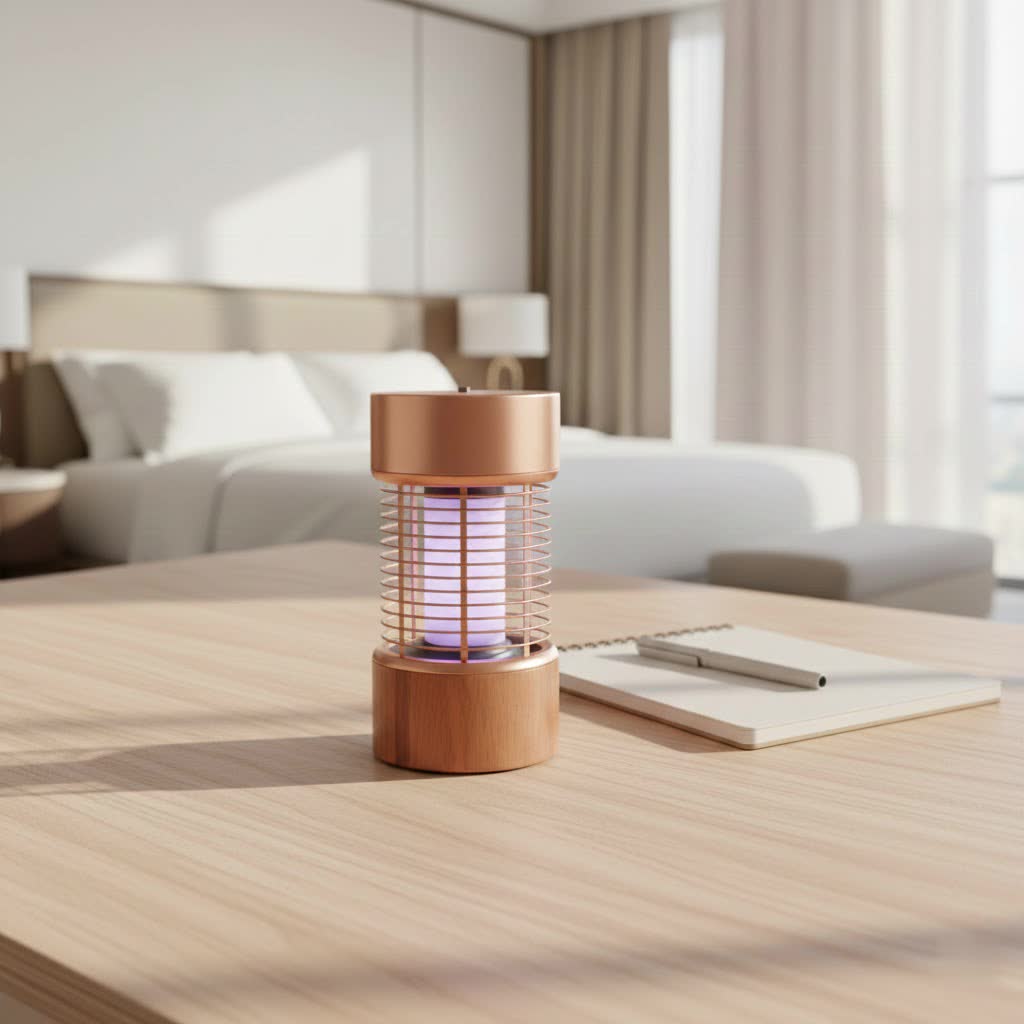
At its core, a commercial bug zapper is a high-capacity, wider-range insect terminator engineered specifically for business environments. Unlike their residential counterparts, which are often designed for smaller patios or indoor spaces, commercial units are built to handle the higher insect loads and stringent hygiene demands of places like restaurants, food processing plants, healthcare facilities, and expansive warehouses. They are essential tools for upholding sanitary conditions and safeguarding products and patrons alike, playing a crucial role in preventing insect-borne contamination and maintaining an inviting atmosphere.
Shock or Stick: Exploring Different Types of Commercial Bug Zappers
When it comes to tackling flying pests, not all bug zappers are created equal. Understanding the distinct types available will help you choose the most effective solution for your specific commercial application.
Electric Grid Zappers
These are perhaps the most recognizable “bug zappers” due to their characteristic “zap” sound. They operate by attracting insects with ultraviolet (UV) light, primarily in the UV-A spectrum. Once drawn to the light, insects come into contact with an electrified grid, resulting in immediate electrocution.
- Pros: Highly effective at quickly eliminating a wide range of flying insects like flies, moths, and gnats. They offer a satisfying visual and auditory confirmation of their work.
- Cons: The “zap” can cause insect fragmentation, sending tiny particles of insect remains into the air or onto surfaces. This makes them less ideal for direct placement near food preparation areas or dining spaces where hygiene is paramount. They also produce noise, which might be a consideration in quiet commercial environments.
|
Our Picks for the Best Bug Zapper in 2026
As an Amazon Associate I earn from qualifying purchases.
|
||
| Num | Product | Action |
|---|---|---|
| 1 | BugMD Fruit Fly Trap Indoor for Safer Home, Gnat Traps for House Indoor, Gnat Killer, Plug in Bug Catcher, Fly Trap, Insect Traps, Fruit Fly Killer |

|
| 2 | AMUFER Bug Zapper Outdoor Indoor, 18W Power & 4400V Instant Grid Mosquito Repellent, Insect Control Efficiency Increased 100%, 1/2 Acre Coverage, Fly Trap for Patio, Backyard, Home |
|
| 3 | ASPECTEK Insect Killer, Bug Zapper, Powerful 20W Electronic Indoor Fly Zapper, Mosquito Killer-Indoor Use Including Free 2 Pack Replacement Bulbs |
|
| 4 | Flowtron Bug Zapper, 1 Acre of Outdoor Coverage with Powerful 40W Bulb & 5600V Instant Killing Grid, Electric Insect, Fly & Mosquito Zapper, Made in The USA |
|
| 5 | FVOAI Bug Zapper Outdoor, Mosquito Zapper, Fly Zapper, Insect Zapper Electric Fly Traps for 1/2 Acre, Indoor Outdoor Use with 3 Prong Plug-in,4200V, ABS Plastic Outer, Black |
|
| 6 | LiBa Electric Bug Zapper, Indoor Insect Killer - (2) Extra Replacement Bulbs - Fly, Mosquito Killer and Repellent - Lightweight, Powerful 2800V Grid, Easy-to-Clean, with a Removable Washable Tray. |
|
| 7 | Bug Zapper Outdoor, Mosquito Zapper Indoor with Dusk to Dawn Light Sensor, 4000V Electric Fly Zapper, Waterproof Mosquito Killer, Fly Trap for Home, Patio, Kitchen, Garden - 9.8 FT Length Cable |
|
| 8 | DEVOGUE® Electric Fly Swatter Bug Zapper Battery Operated Flies Killer Indoor & Outdoor Pest Control Mosquito Zapper and Insect Catcher Racket |
|
| 9 | GOOTOP Bug Zapper Outdoor, Mosquito Zapper, 3 Prong Plug in Electric Fly Zapper, Mosquito Killer, Fly Traps, Flying Insects Zapper Indoor Outdoor 90-130V, 4200V, ABS Plastic Outer (Black) |
|
| 10 | YISSVIC Bug Zapper Outdoor Indoor Waterproof Electric Mosquito Lamp Fly Zapper Killer Effective 4200V Plug in for Home Patio Office Courtyard (One-Light Control Bug Zapper) |
|
Adhesive (Glue Board) Traps
Often referred to as insect light traps (ILTs) or sticky traps, these devices also use UV light to attract pests. However, instead of an electric grid, they feature a replaceable adhesive board that silently captures insects upon contact.
- Pros: Silent operation, no insect fragmentation, making them highly suitable for sensitive areas such as commercial kitchens, dining rooms, and food processing zones. The trapped insects remain out of sight on the sticky board.
- Cons: Requires regular replacement of glue boards, and heavily infested areas might necessitate frequent board changes. The collection of dead insects can be visible if not discreetly designed.
Encapsulation Units
A more advanced variation of the adhesive trap, encapsulation units continuously roll a fresh adhesive film into place, trapping insects on an internal spool. This design further reduces the risk of contamination and provides a constantly refreshed trapping surface.
- Pros: Superior hygiene, especially in dusty environments, as the trapped insects are immediately rolled away and out of sight.
- Cons: Can be more expensive initially and require specific film refills. Monitoring insect populations might be harder as they are encapsulated.
Beyond the Buzz: How Commercial Bug Zappers Really Work
The magic of a bug zapper lies in its ability to exploit an insect’s natural attraction to light. Most flying insects, particularly nocturnal ones, are highly sensitive to UV-A light. The specialized bulbs in commercial bug zappers emit this particular wavelength, effectively acting as a beacon in the night (or even in dimly lit indoor areas).
But here’s a crucial point, often misunderstood: while UV light is a powerful general attractant for many insects, it’s not always the primary draw for mosquitoes, especially the biting female kind. Mosquitoes are far more adept at sniffing out carbon dioxide, human sweat, and body odors. This is where chemical attractants like Octenol come into play. Many commercial bug zappers, particularly those designed for outdoor use or specific mosquito control, incorporate cartridges infused with Octenol to mimic human breath, significantly boosting their effectiveness against these notorious biters.
Once lured close, the fate of the insect depends on the zapper’s design: a swift, high-voltage electrocution from a grid, or a gentle, irreversible adhesion to a sticky surface.
Choosing Your Champion: Selecting the Right Commercial Bug Zapper
With the array of options available, choosing the best commercial bug zapper can feel daunting. Here’s how to narrow down the field, leveraging JRDiy’s practical insights:
Coverage Area: Size Matters
The “coverage area” rating (often in square feet or acres) indicates the maximum space a zapper can effectively protect.
- For large indoor spaces like warehouses or big open-plan offices, look for units with 30+ watts and a high square footage rating.
- For outdoor commercial areas such as restaurant patios or resort grounds, devices covering 1 to 1.5 acres are common.
Remember, if you place a zapper against a wall, its effective coverage area can be halved, so factor that into your calculations. For very large areas, multiple strategically placed units might be necessary to ensure comprehensive protection.
Target Pests: Know Your Enemy
While most commercial bug zappers handle a broad spectrum of flying insects, consider your primary pest problem.
- General flying insects (flies, moths, gnats): Standard UV-light electric zappers or glue traps are highly effective.
- Mosquitoes: If mosquitoes are your main concern, prioritize models that include Octenol lures or other specific mosquito attractants. As I always say, “If you’re only relying on UV light for mosquitoes, you might as well be trying to catch them with a sieve!”
Environment: Indoor vs. Outdoor, and Sensitive Zones
- Indoor: For commercial kitchens, dining areas, or food prep zones, adhesive traps or encapsulation units are strongly recommended to prevent insect fragmentation and maintain strict hygiene standards. In general office spaces, electric zappers can be used but ensure they are not directly above desks or food.
- Outdoor: Weatherproof electric zappers with high coverage are ideal. Consider features like dusk-to-dawn sensors for automated operation.
Power Source & Durability
Commercial environments demand robust equipment. Look for units made with durable, weather-resistant materials if for outdoor use. Consider if you need a plug-in unit or something portable and battery-operated for flexible deployment.
Features to Look For
- Collection Trays: Removable trays make cleanup easy and hygienic.
- Shatter-Resistant Bulbs: Crucial for food-safe zones, preventing glass contamination if a bulb breaks.
- Dusk-to-Dawn Sensors: Automate operation, saving energy and ensuring pests are targeted when most active.
Strategic Placement: Maximizing Your Bug Zapper’s Effectiveness
Proper placement is arguably the most critical factor in a bug zapper’s success. It’s not just about turning it on; it’s about creating an irresistible trap zone that pulls insects away from your vital areas.
The 20-30 Foot Rule for Outdoor Spaces
This is a golden rule for any outdoor commercial setting where people gather. Place your commercial bug zapper at least 20 to 30 feet away from your main seating areas, patios, or outdoor dining spaces. Why? Because you want to draw insects away from your customers, not towards them. This creates a “trap zone” that intercepts pests before they reach your guests. “Think of it as setting up a decoy,” advises veteran pest control specialist, Maria Sanchez. “You want the zapper to be the most attractive spot in the vicinity, not your customers.”
Optimal Height
For most flying insects, position your zapper between 6 to 7 feet (1.5 to 2.5 meters) above the ground. This height is generally within the average flight path of many target pests, making them more likely to encounter the UV light.
Away from Competing Lights
UV light is the primary attractant. If your bug zapper is competing with other bright light sources (e.g., streetlights, large signs, brightly lit windows), its effectiveness will be significantly diminished. Place it in an area where its UV glow is the dominant light source to insects.
Near Entry Points & Insect Pathways
Position zappers strategically near known insect entry points, such as loading dock doors, service entrances, or areas where insects naturally congregate. Placing them between the most likely point of entry and the sensitive areas you want to protect can create effective “attraction funnels.”
Avoiding Food & Seating Areas (Especially for Electric Zappers)
As mentioned, electric zappers can cause insect fragmentation. Never place them directly above food preparation counters, dining tables, or areas where product is exposed. For these zones, stick to adhesive traps. Even with sticky traps, it’s best to place them slightly away from direct food contact to avoid attracting bugs into the immediate vicinity of food.
Outdoor Specifics
- Shaded Areas: Mosquitoes often prefer cooler, shaded spots during the day. Placing an outdoor zapper in a partially shaded area can enhance its attraction to these pests.
- Wind Direction: Consider prevailing winds. Placing a zapper downwind from your protected area can help disperse attractants and draw insects away more effectively.
Multiple Units: Covering Larger Grounds
For very expansive commercial properties, a single bug zapper often won’t suffice. When deploying multiple units, ensure they are spaced evenly without significant overlap in their primary attraction zones. This creates a uniform defensive perimeter rather than redundant coverage.
Keeping the Zapper Zapping: Maintenance Tips for Longevity
Even the best commercial bug zappers need a little TLC to perform at their peak. Regular maintenance ensures efficiency and extends the lifespan of your investment.
- Regular Cleaning: For electric zappers, frequently empty the collection tray and use a stiff brush (often provided) to clean the electrified grid. A buildup of dead insects can reduce efficiency and even create fire hazards. For glue traps, replace adhesive boards as soon as they become full or lose their stickiness, typically every 2-4 weeks depending on insect activity.
- Bulb Replacement: UV bulbs lose their effectiveness over time, even if they still appear to be lit. For optimal performance, replace UV bulbs annually, usually before peak insect season.
- Attractant Refills: If your unit uses Octenol or other chemical attractants, replace these cartridges according to the manufacturer’s recommendations, typically monthly.
- Safety Checks: Periodically inspect cords for damage and ensure the zapper’s housing is intact and free from cracks or breaks, especially for outdoor units exposed to the elements.
Common Misconceptions & The Mosquito Conundrum
Despite their popularity, some misunderstandings persist about bug zappers.
- “Do they kill mosquitoes effectively?” This is the biggest misconception. While bug zappers kill some mosquitoes, UV-only units are largely ineffective against biting mosquitoes. Studies have shown that a very small percentage of the insects killed by typical bug zappers are actually biting mosquitoes; most are harmless or even beneficial insects. For mosquitoes, systems incorporating CO2 or Octenol are significantly more effective.
- “What about beneficial insects?” Yes, unfortunately, traditional bug zappers can indiscriminately kill beneficial insects like moths, beetles, and even some pollinators. This is a trade-off to consider, especially in natural environments.
- “Are they safe?” Modern commercial bug zappers are designed with safety in mind, featuring protective outer screens to prevent accidental contact with the electrified grid. However, as noted, electric zappers can cause insect fragments to aerosolize, which poses a hygiene risk in food-sensitive areas. Proper placement mitigates this risk.
Expert Insight
“In commercial pest management, the goal isn’t just to react to an infestation but to proactively prevent it,” says Alex Nguyen, JRDiy’s lead entomologist. “Integrating commercial bug zappers as part of a comprehensive strategy—alongside exclusion, sanitation, and targeted solutions—is key. But remember, the ‘right tool for the right job’ principle always applies. Don’t expect a UV-only zapper to solve a serious mosquito problem without additional attractants, and prioritize glue traps in food zones to uphold the highest hygiene standards.”
Frequently Asked Questions (FAQ)
Q: Are commercial bug zappers safe for food preparation areas?
A: Electric grid bug zappers are generally not recommended for direct placement in food preparation or dining areas due to the risk of insect fragmentation. Adhesive (glue board) traps or encapsulation units are the safer and more hygienic choice for these sensitive environments.
Q: How often should I clean my commercial bug zapper?
A: For electric zappers, collection trays should be emptied and grids cleaned weekly or more frequently depending on insect activity. Glue boards in adhesive traps should be replaced as soon as they are full or every 2-4 weeks. UV bulbs should be replaced annually.
Q: Do bug zappers work on all types of flying insects?
A: Commercial bug zappers are effective against a wide range of light-attracted flying insects, including most flies, moths, gnats, and some beetles. However, for biting mosquitoes, models enhanced with attractants like Octenol are significantly more effective than UV light alone. They are generally not effective against crawling insects.
Q: Can I use a residential bug zapper in a commercial setting?
A: While a small residential unit might seem like a quick fix, it’s generally not recommended for commercial use. Commercial bug zappers are designed with greater capacity, coverage, and durability to handle the higher demands and stricter hygiene requirements of business environments. They provide more robust and reliable pest control for larger spaces and higher insect loads.
Q: What’s the best way to get rid of mosquitoes with a bug zapper?
A: To maximize effectiveness against mosquitoes, choose a commercial bug zapper that incorporates Octenol or other chemical mosquito attractants in addition to UV light. Crucially, place the zapper 20-30 feet away from where people gather to create a perimeter trap, drawing mosquitoes away from your protected zone.
Conclusion: Reclaiming Your Commercial Space
The presence of flying insects in a commercial environment is more than an inconvenience; it’s a threat to health, safety, and your brand’s reputation. By strategically employing commercial bug zappers, you’re not just swatting away pests; you’re actively safeguarding your operations and providing a cleaner, more comfortable experience for your employees and customers. Remember to choose the right type of zapper for your specific needs, pay close attention to optimal placement, and maintain your units regularly. With these expert insights from JRDiy, you’re well-equipped to make informed decisions and transform your commercial space into a pest-free zone, ensuring smooth operations and peace of mind.
