A reliable bug and mosquito zapper offers a practical solution for reclaiming personal space from flying insects, utilizing UV light to attract pests and an electrified grid to eliminate them. With over 15 years of experience, JRDiy recommends selecting a zapper based on specific needs, such as an attractant-enhanced model for mosquitoes, and ensuring proper placement at least 15-20 feet from gathering areas for optimal effectiveness.
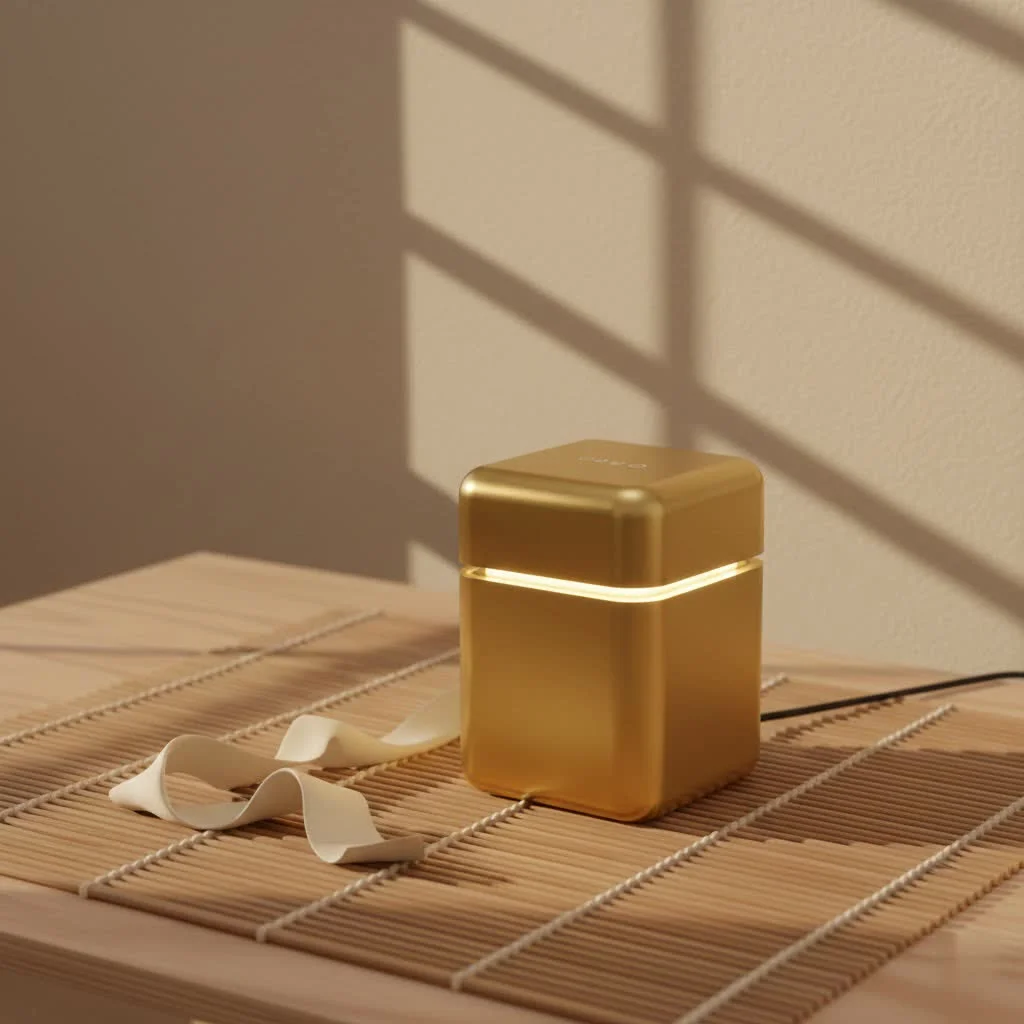
Unpacking the Science: How Bug and Mosquito Zappers Work
The satisfying “zap” sound from a bug and mosquito zapper is the result of its core operating principle: attraction and elimination. These devices use a powerful ultraviolet (UV) light source, typically in the UV-A spectrum, to draw in flying insects. For see our bug zapper recommendations on this site.
Many flying insects, including moths and gnats, are naturally attracted to UV light, a phenomenon called phototaxis. Surrounding this light is an electrified grid, consisting of two interleaved wire meshes. When an insect, lured by the UV light, flies into this grid, it completes an electrical circuit. This contact delivers a high-voltage, low-current electric shock, instantly electrocuting the insect and producing the characteristic “zap.”
Traditional UV-light-only zappers are often less effective against mosquitoes because female mosquitoes, which are the ones that bite, are primarily attracted to carbon dioxide (CO2) we exhale, our body heat, and specific scent chemicals in our sweat, rather than just light. However, many modern bug and mosquito zappers overcome this limitation by incorporating additional attractants like octenol or CO2 emitters. These enhancements mimic human presence, significantly increasing the zapper’s effectiveness against mosquitoes. Without these specialized attractants, a standard UV zapper might catch many flying insects, but largely beneficial ones, leaving the mosquito problem largely unsolved.
Types of Bug and Mosquito Zappers: Finding Your Perfect Match
The market for bug and mosquito zappers offers diverse options tailored for various needs and environments.
Electric Grid Zappers
These are the most common type, using a UV light and an electrified grid to eliminate insects. They are available in models designed for both indoor and outdoor use. Indoor units are typically smaller, quieter, and may include sticky traps for silent insect capture, while outdoor models are more robust and cover larger areas.
Attractant-Enhanced Zappers
For significant mosquito problems, these zappers are highly effective. They combine the traditional UV light with lures such as octenol cartridges or propane-generated CO2. These additives specifically target mosquitoes by mimicking their natural attractants, making the zapper far more efficient at catching biting insects.
Portable & Racket Zappers
Portable zappers, which are battery-operated or USB-rechargeable, are ideal for camping trips, picnics, or quickly eliminating a rogue fly indoors. Racket zappers are handheld electric fly swatters that offer immediate, direct bug elimination with a satisfying “thwack.”
Solar-Powered Zappers
|
Our Picks for the Best Bug Zapper in 2026
As an Amazon Associate I earn from qualifying purchases.
|
||
| Num | Product | Action |
|---|---|---|
| 1 | DEVOGUE® Electric Fly Swatter Bug Zapper Battery Operated Flies Killer Indoor & Outdoor Pest Control Mosquito Zapper and Insect Catcher Racket |

|
| 2 | FVOAI Bug Zapper Outdoor, Mosquito Zapper, Fly Zapper, Insect Zapper Electric Fly Traps for 1/2 Acre, Indoor Outdoor Use with 3 Prong Plug-in,4200V, ABS Plastic Outer, Black |
|
| 3 | YISSVIC Bug Zapper Outdoor Indoor Waterproof Electric Mosquito Lamp Fly Zapper Killer Effective 4200V Plug in for Home Patio Office Courtyard (One-Light Control Bug Zapper) |
|
| 4 | Bug Zapper Outdoor, Mosquito Zapper Indoor with Dusk to Dawn Light Sensor, 4000V Electric Fly Zapper, Waterproof Mosquito Killer, Fly Trap for Home, Patio, Kitchen, Garden - 9.8 FT Length Cable |
|
| 5 | Flowtron Bug Zapper, 1 Acre of Outdoor Coverage with Powerful 40W Bulb & 5600V Instant Killing Grid, Electric Insect, Fly & Mosquito Zapper, Made in The USA |
|
| 6 | LiBa Electric Bug Zapper, Indoor Insect Killer - (2) Extra Replacement Bulbs - Fly, Mosquito Killer and Repellent - Lightweight, Powerful 2800V Grid, Easy-to-Clean, with a Removable Washable Tray. |
|
| 7 | AMUFER Bug Zapper Outdoor Indoor, 18W Power & 4400V Instant Grid Mosquito Repellent, Insect Control Efficiency Increased 100%, 1/2 Acre Coverage, Fly Trap for Patio, Backyard, Home |
|
| 8 | BugMD Fruit Fly Trap Indoor for Safer Home, Gnat Traps for House Indoor, Gnat Killer, Plug in Bug Catcher, Fly Trap, Insect Traps, Fruit Fly Killer |
|
| 9 | ASPECTEK Insect Killer, Bug Zapper, Powerful 20W Electronic Indoor Fly Zapper, Mosquito Killer-Indoor Use Including Free 2 Pack Replacement Bulbs |
|
| 10 | GOOTOP Bug Zapper Outdoor, Mosquito Zapper, 3 Prong Plug in Electric Fly Zapper, Mosquito Killer, Fly Traps, Flying Insects Zapper Indoor Outdoor 90-130V, 4200V, ABS Plastic Outer (Black) |
|
Solar-powered bug and mosquito zappers are an eco-friendly option that harnesses the sun’s energy during the day to power their UV lights and grids at night. They are perfect for areas without easy access to electrical outlets, such as remote garden spots or campsites, offering convenience with environmental consciousness.
| Zapper Type | Best for: | Coverage Area | Power Source | Key Feature |
|---|---|---|---|---|
| Electric Grid (Indoor) | Kitchens, living rooms, enclosed patios | Small rooms (50-150 sq ft) | Plug-in | Quiet operation, often with collection trays |
| Electric Grid (Outdoor) | Patios, backyards, larger outdoor spaces | Medium to large (500-1500+ sq ft) | Plug-in | Weather-resistant, durable casing |
| Attractant-Enhanced | High mosquito populations, large outdoor areas | Medium to large (1/2 to 1+ acre) | Plug-in, Propane | Specific mosquito lures (octenol, CO2) |
| Portable & Racket | Camping, travel, quick spot elimination | Very small, immediate area | Battery, USB | Handheld, compact, on-the-go |
| Solar-Powered | Gardens, remote areas, eco-conscious use | Small to medium (200-500 sq ft) | Solar | No wires, environmentally friendly |
Choosing the Best Bug and Mosquito Zapper for Your Environment
Selecting the perfect bug and mosquito zapper involves finding the right fit for your specific needs, not just picking the most expensive model.
Assess Your Needs
First, consider where the zapper will be used: an enclosed patio, a vast backyard, or an indoor space. Indoor zappers are generally quieter and designed for smaller areas, while outdoor models are built to withstand the elements and cover larger expanses. Next, identify your primary targets. If mosquitoes are the main issue, an attractant-enhanced model is highly recommended, as discussed previously.
Power Source Matters
Your power options significantly influence your choice. Plug-in units offer continuous power for larger areas but require an accessible outlet. Battery-operated or USB-rechargeable models provide portability for camping or quick indoor use. Solar-powered zappers are excellent for off-grid areas but depend on adequate sunlight for charging.
Key Features to Look For
- Coverage Area: This is usually listed in square feet or acres. Match it to the size of the area you want to protect.
- Collection Tray: A removable, easy-to-clean collection tray is a huge convenience for hygienic disposal of zapped insects.
- Weather Resistance: For outdoor zappers, look for an IPX4 rating or higher, indicating resistance to splashing water and making it suitable for year-round outdoor use.
- Durable Housing: Metal or high-quality, flame-retardant plastic housings ensure longevity and safety.
- Auto Dusk-to-Dawn Sensor: This feature automatically turns the zapper on at dusk and off at dawn, saving energy and ensuring operation during peak insect hours.
“When choosing a bug zapper, it’s not a ‘one size fits all’ scenario. Understand your enemy – whether it’s mosquitoes, flies, or both – and select a zapper that’s specifically designed to attract them. Otherwise, you might just be zapping all the wrong bugs!” – Dr. Eleanor Vance, Lead Entomologist at JRDiy
Strategic Placement and Safe Operation of Your Bug and Mosquito Zapper
Once you’ve chosen your bug and mosquito zapper, proper placement and safe operation are paramount for maximizing its effectiveness and ensuring your family’s well-being.
Optimal Placement
Location is everything!
- Distance from People: Place your zapper at least 15-20 feet away from where people gather or dine. it’s designed to attract bugs, and you don’t want to draw them closer to your seating areas.
- Height Matters: Mount or hang the zapper 5-7 feet off the ground. This height is generally within the optimal flight path for most flying insects, including mosquitoes and flies.
- Away from Competing Lights: Other bright light sources, like porch lights, string lights, or even window light from inside your home, can compete with your zapper’s UV light, reducing its attractiveness to insects. Ensure your zapper is the brightest light source in its vicinity after dark.
Electrical Safety
- Outdoor-Rated Units: Always use bug and mosquito zappers specifically designed and rated for outdoor use when placing them outside. Non-weatherproof units pose a serious electrocution hazard if they get wet. Check for an IPX4 rating or higher.
- GFCI Outlets: For outdoor plug-in zappers, use a Ground Fault Circuit Interrupter (GFCI) outlet. This offers an extra layer of protection against electrical shocks.
- Cord Inspection: Regularly inspect the power cord and wiring for any signs of wear, fraying, or damage. Replace immediately if any issues are found. Never attempt to repair damaged wiring yourself unless you are a qualified electrician.
Child and Pet Safety
While bug zappers are generally safe, caution is always advised, especially with curious children and pets.
- Protective Cage: Ensure your zapper has a robust outer protective cage with small enough gaps to prevent fingers or snouts from reaching the electrified grid.
- Mount High: Install bug zappers well out of reach of small children and pets. An elevated position, such as hanging from a tree branch or a high hook, is ideal.
- Supervision: Initially, supervise pets to ensure they don’t develop an unhealthy curiosity. Most animals will learn to avoid the “zap” quickly, but it’s better to be safe.
- Manufacturer Instructions: Always follow the manufacturer’s specific safety guidelines for your model.
Keeping Your Zapper Zapping: Maintenance and Troubleshooting
Just like any appliance, your bug and mosquito zapper requires a little TLC to remain effective year after year.
Routine Cleaning is Key
A clogged grid is an ineffective grid.
- Unplug First: Always, always unplug your zapper before attempting any cleaning or maintenance. Safety first!
- Clean the Grid: Dead insects, dust, and debris can accumulate on the electrified grid, reducing its ability to zap. Use a small, soft brush (often included with the zapper) to gently brush away any remains. Never use water spray or harsh chemicals directly on the grid.
- Empty Collection Trays: If your zapper has a collection tray, empty it regularly. This prevents buildup and maintains hygiene.
- Exterior Wipe-Down: Wipe the exterior housing with a damp cloth to remove dirt and dust, but avoid getting moisture into the internal components.
Bulb Replacement
Even if your UV bulb appears to be working, its effectiveness at attracting insects diminishes over time. The UV output degrades long before the visible light does.
- Annual Replacement: We recommend replacing UV bulbs annually, especially at the start of each bug season, for optimal attraction power.
- Correct Type: Always use the specific bulb type and wattage recommended by the manufacturer.
Common Troubleshooting
Facing an issue with your bug and mosquito zapper? Here are quick fixes for common problems:
-
Zapper Not Turning On:
- Check if it’s securely plugged into a working outlet.
- Verify the power switch is in the “ON” position.
- Test the outlet with another device.
- Inspect extension cords for damage or insufficient power delivery.
- If the bulb is out, replace it.
-
Zapper On, But Not Zapping Bugs:
- Dirty Grid: A common culprit! Clean the grid as described above.
- Old Bulb: The UV light might be too dim to attract bugs effectively. Replace the bulb.
- Faulty Transformer: If the light is on but no zaps occur after cleaning the grid, the high-voltage transformer might be malfunctioning. This usually requires professional repair or replacement of the unit.
-
Not Attracting Bugs Effectively:
- Placement: Re-evaluate its location. Is it too close to people or competing light sources? Is it at the optimal height?
- Lure Replacement: If using an attractant-enhanced model, ensure the octenol or CO2 lure is fresh and replaced according to the manufacturer’s schedule (typically every 30 days).
- Time of Day/Season: Bugs are most active at dusk and dawn. Ensure the zapper is operational during these times.
Expert Tip from JRDiy
“While a bug and mosquito zapper is a fantastic tool, it’s most effective when part of a holistic pest control strategy,” advises Elias Thorne, our seasoned pest control specialist at JRDiy. “Combine it with eliminating standing water where mosquitoes breed, using personal repellents, and maintaining a tidy yard. Think of your zapper as the frontline defense, not the entire army.”
Frequently Asked Questions (FAQ) about Bug and Mosquito Zappers
Q1: Are bug zappers safe for humans and pets?
A1: Yes, modern bug zappers are generally safe for humans and pets. They feature protective outer cages to prevent accidental contact with the electrified grid, and the high-voltage, low-amperage current is lethal to insects but typically causes only a startling, non-fatal shock to larger animals. Always mount them out of reach of small children and pets.
Q2: How effective are bug zappers against mosquitoes specifically?
A2: Traditional UV-light-only bug zappers are largely ineffective against mosquitoes because mosquitoes are primarily attracted to CO2 and body heat, not just light. For better mosquito control, choose bug zappers that include octenol or CO2 lures, which mimic these specific attractants.
Q3: How often should I clean my bug zapper?
A3: During peak bug season, you should check and clean your bug zapper’s collection tray and grid weekly. Always unplug the unit before cleaning, and use a soft brush to remove accumulated insect remains.
Q4: Can I use an outdoor bug zapper indoors?
A4: It is not recommended to use outdoor bug zappers indoors. Outdoor models are designed for larger coverage areas, can be noisy, and often lack the specific safety enclosures and quiet operation suitable for indoor use. Always use indoor-specific models for inside your home.
Q5: Do bug zappers attract more bugs to my yard?
A5: Bug zappers are designed to attract flying insects. If placed too close to your outdoor living areas, they might draw bugs towards you rather than away. Proper placement, at least 15-20 feet away from gathering spots, is crucial to ensure they attract bugs to their own demise, not into your space.
Reclaim Your Outdoors, One Zap at a Time
A well-chosen and properly maintained bug and mosquito zapper can significantly enhance your enjoyment of both indoor and outdoor spaces, creating a more comfortable and pest-free environment. By understanding how these devices work, selecting the right type for your needs, installing them strategically, and performing routine maintenance, you can ensure they operate safely and effectively. At JRDiy, we believe that enjoying your home shouldn’t involve constant swatting. So go ahead, choose your zapper, set it up, and get ready to enjoy the sweet sound of a bug-free life! Share your experiences and any clever tips you’ve discovered on your bug-zapping journey with the JRDiy community – we’re always learning and growing together.
Frequently Asked Questions
Are bug zappers safe for humans and pets?
Yes, modern bug zappers are generally safe for humans and pets. They feature protective outer cages to prevent accidental contact with the electrified grid, and the high-voltage, low-amperage current is lethal to insects but typically causes only a startling, non-fatal shock to larger animals. Always mount them out of reach of small children and pets.
How effective are bug zappers against mosquitoes specifically?
Traditional UV-light-only bug zappers are largely ineffective against mosquitoes because mosquitoes are primarily attracted to CO2 and body heat, not just light. For better mosquito control, choose bug zappers that include octenol or CO2 lures, which mimic these specific attractants.
How often should I clean my bug zapper?
During peak bug season, you should check and clean your bug zapper's collection tray and grid weekly. Always unplug the unit before cleaning, and use a small, soft brush to remove accumulated insect remains.
Can I use an outdoor bug zapper indoors?
It is not recommended to use outdoor bug zappers indoors. Outdoor models are designed for larger coverage areas, can be noisy, and often lack the specific safety enclosures and quiet operation suitable for indoor use. Always use indoor-specific models for inside your home.
Do bug zappers attract more bugs to my yard?
Bug zappers are designed to attract flying insects. If placed too close to your outdoor living areas, they might draw bugs towards you rather than away. Proper placement, at least 15-20 feet away from gathering spots, is crucial to ensure they attract bugs to their own demise, not into your space.
Maintain Your Bug and Mosquito Zapper
Regular maintenance ensures your bug zapper remains effective at eliminating flying insects.
Always unplug your bug zapper from its power source before attempting any cleaning or maintenance. This is a critical safety step to prevent electrical shock.
Use a small, soft brush (often included with the zapper) to gently brush away dead insects, dust, and debris that accumulate on the electrified grid. Never use water spray or harsh chemicals directly on the grid, as this can damage the unit.
If your zapper has a collection tray, empty it regularly to prevent buildup and maintain hygiene. This also helps ensure the zapper's efficiency by preventing blockages.
Wipe the exterior housing with a damp cloth to remove dirt and dust. Be careful to avoid getting moisture into the internal components, which could cause electrical issues.
Even if your UV bulb appears to be working, its effectiveness at attracting insects diminishes over time as the UV output degrades. Replace UV bulbs annually, especially at the start of each bug season, for optimal attraction power. Always use the specific bulb type and wattage recommended by the manufacturer.
Get our weekly buyer guide
Practical specs, not advice. Unsubscribe anytime.
This thing is a game changer for camping. I used to get swarmed by all sorts of flying insects, especially at dusk. Now, I just set this up a little ways from my tent and it handles everything. The UV-A spectrum light really pulls them in. Best investment for my outdoor adventures this year.
I finally broke down and bought one of these after battling mosquitoes all summer. The UV light really does the trick, and I love the satisfying zap sound. I placed it about 20 feet from our patio, just like recommended, and it’s made a huge difference. We can actually enjoy evenings outside now without getting eaten alive.
I’ve had my bug zapper for a few weeks now and it’s been pretty effective. It’s great for keeping the area around our outdoor dining table clear of flies and other annoying bugs. The electrified grid is super efficient. Just make sure you clean it regularly, as the dead bugs can build up quickly.
This zapper works okay for moths and some gnats, but I was hoping for more with mosquitoes. I got an attractant-enhanced model, but it still feels like the mosquitoes are just ignoring it sometimes. It’s definitely better than nothing, but I’m not seeing the dramatic reduction I’d hoped for in the mosquito population around my yard.