As someone who has dedicated over 15 years to understanding and perfecting bug control, and as a content creator for JRDiy.com, I know the frustration of a beautiful evening ruined by buzzing, biting insects. There’s nothing quite like the relentless assault of mosquitoes and other flying pests to send you scurrying indoors. That’s where a reliable bug and mosquito zapper comes into play, transforming your outdoor (and sometimes indoor) spaces into comfortable, pest-free zones. But with so many options out there, how do you pick the best bug and mosquito zapper for your specific needs? Let’s dive deep into the world of insect elimination, separating the hype from the truly helpful.
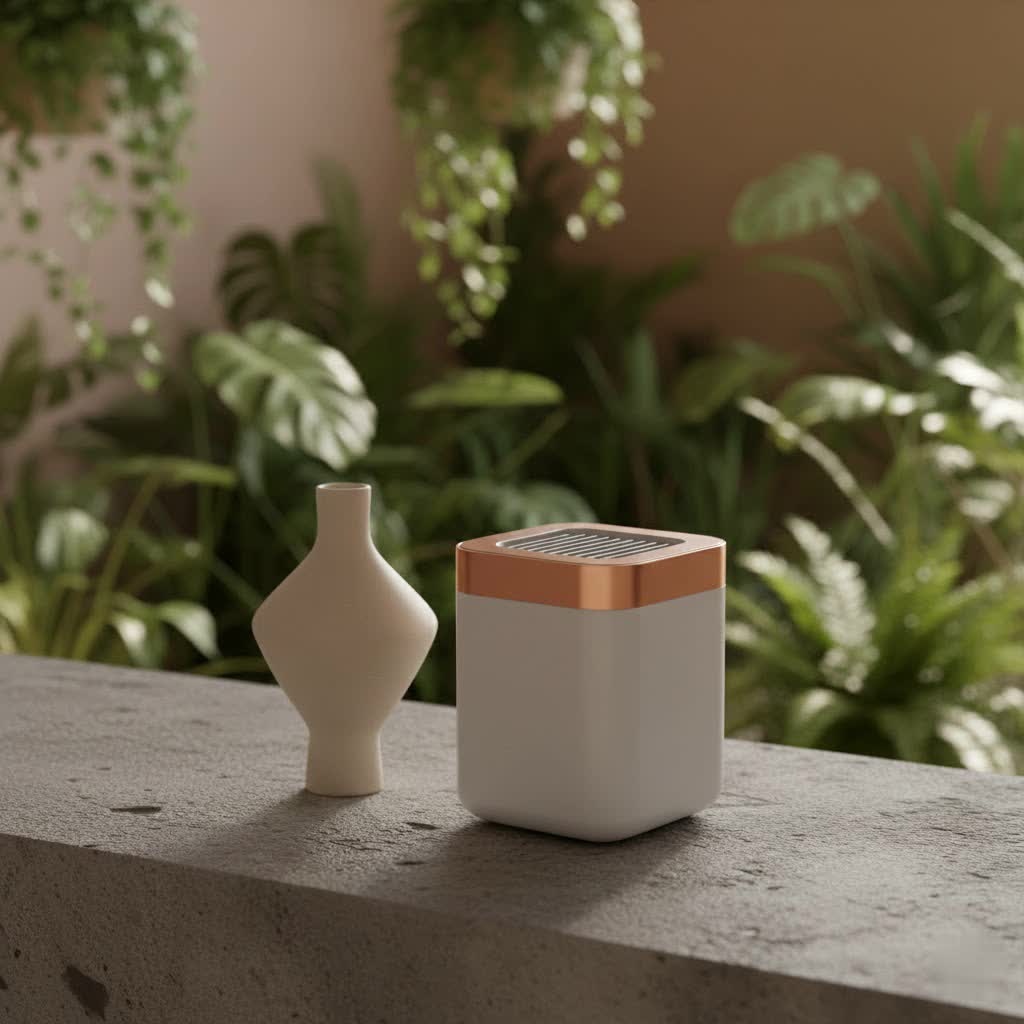
Understanding Bug Zappers: How They Work (and Don’t Always)
At its core, a bug zapper, also known as an electrical discharge insect control system or electric insect killer, operates on a brilliantly simple principle: attraction followed by elimination. These devices typically use ultraviolet (UV) light, often in the UV-A spectrum, to lure flying insects towards an electrified grid. Once an insect makes contact with this high-voltage grid, it’s instantly electrocuted, producing that characteristic “zap” sound. This method is highly effective for a wide range of nocturnal flying insects, including many types of flies, moths, and beetles.
However, it’s crucial to understand a common misconception: traditional UV-light-only bug zappers are often not the best mosquito zapper on their own. Studies have shown that while bug zappers are indiscriminate killers, a surprisingly small percentage of the insects they eliminate are actually biting mosquitoes. Mosquitoes are primarily attracted to carbon dioxide, heat, and certain chemical compounds (like octenol) emitted by humans and animals, rather than just UV light. This is why many manufacturers now integrate additional attractants like octenol cartridges or CO2 emitters into their designs to specifically target mosquitoes, making them a more effective mosquito killer.
Types of Bug and Mosquito Zappers: Finding Your Perfect Match
The market offers a variety of bug and mosquito zappers, each with its own strengths and ideal applications. Understanding these distinctions is key to making an informed choice.
Electric Grid Zappers (Traditional Bug Zappers)
These are what most people picture when they think of a bug zapper. They rely purely on UV light and an electric grid.
- How They Work: A UV bulb emits light wavelengths irresistible to many flying insects. When attracted bugs fly into the internal electrified grid, they are zapped by a high-voltage current.
- Pros: Generally effective against a broad spectrum of nocturnal flying insects (moths, flies, some beetles). Many models offer wide coverage areas and are chemical-free.
- Cons: Often indiscriminate, meaning they can kill beneficial insects alongside pests. The “zapping” sound can be loud, and research indicates insect parts can be scattered up to several feet, which is a concern near food preparation areas. Less effective against mosquitoes unless paired with additional attractants.
- Subtypes:
- Outdoor Bug Zappers: These are typically larger, more powerful, and built with weatherproof housing to withstand the elements. They often boast larger coverage areas, sometimes up to 1.5-2 acres.
- Indoor Bug Zappers: More compact, designed for enclosed spaces, and often prioritize quieter operation. They might use lower voltage or incorporate sticky traps behind the grid to minimize scattering.
|
Our Picks for the Best Bug Zapper in 2026
As an Amazon Associate I earn from qualifying purchases.
|
||
| Num | Product | Action |
|---|---|---|
| 1 | Bug Zapper Outdoor, Mosquito Zapper Indoor with Dusk to Dawn Light Sensor, 4000V Electric Fly Zapper, Waterproof Mosquito Killer, Fly Trap for Home, Patio, Kitchen, Garden - 9.8 FT Length Cable |

|
| 2 | LiBa Electric Bug Zapper, Indoor Insect Killer - (2) Extra Replacement Bulbs - Fly, Mosquito Killer and Repellent - Lightweight, Powerful 2800V Grid, Easy-to-Clean, with a Removable Washable Tray. |
|
| 3 | YISSVIC Bug Zapper Outdoor Indoor Waterproof Electric Mosquito Lamp Fly Zapper Killer Effective 4200V Plug in for Home Patio Office Courtyard (One-Light Control Bug Zapper) |
|
| 4 | Flowtron Bug Zapper, 1 Acre of Outdoor Coverage with Powerful 40W Bulb & 5600V Instant Killing Grid, Electric Insect, Fly & Mosquito Zapper, Made in The USA |
|
| 5 | ASPECTEK Insect Killer, Bug Zapper, Powerful 20W Electronic Indoor Fly Zapper, Mosquito Killer-Indoor Use Including Free 2 Pack Replacement Bulbs |
|
| 6 | AMUFER Bug Zapper Outdoor Indoor, 18W Power & 4400V Instant Grid Mosquito Repellent, Insect Control Efficiency Increased 100%, 1/2 Acre Coverage, Fly Trap for Patio, Backyard, Home |
|
| 7 | FVOAI Bug Zapper Outdoor, Mosquito Zapper, Fly Zapper, Insect Zapper Electric Fly Traps for 1/2 Acre, Indoor Outdoor Use with 3 Prong Plug-in,4200V, ABS Plastic Outer, Black |
|
| 8 | GOOTOP Bug Zapper Outdoor, Mosquito Zapper, 3 Prong Plug in Electric Fly Zapper, Mosquito Killer, Fly Traps, Flying Insects Zapper Indoor Outdoor 90-130V, 4200V, ABS Plastic Outer (Black) |
|
| 9 | DEVOGUE® Electric Fly Swatter Bug Zapper Battery Operated Flies Killer Indoor & Outdoor Pest Control Mosquito Zapper and Insect Catcher Racket |
|
| 10 | BugMD Fruit Fly Trap Indoor for Safer Home, Gnat Traps for House Indoor, Gnat Killer, Plug in Bug Catcher, Fly Trap, Insect Traps, Fruit Fly Killer |
|
Mosquito Traps (Non-Zapper/Hybrid Solutions)
These devices often combine UV light with other attractants, or use alternative methods to capture insects.
- How They Work: Many use UV light plus octenol or CO2 to mimic human breath and body heat, specifically drawing in mosquitoes. Some models also incorporate fans to suck insects into a collection cage or onto a sticky glue board. These systems typically do not produce a loud “zap” sound.
- Pros: More targeted and effective against mosquitoes. Quieter operation, making them suitable for patios or closer to gathering areas. Chemical-free options are available.
- Cons: May require periodic replacement of attractant cartridges or sticky glue boards, incurring ongoing costs. The elimination process can be slower compared to instant zappers.
- Examples: DynaTrap is a well-known brand that employs this multi-faceted approach, using UV light, CO2 (from titanium dioxide coating), and a fan/sticky trap system.
Handheld Zapper Rackets
Think of these as an electronic fly swatter on steroids.
- How They Work: A battery-powered racket with an electrified mesh grid that zaps insects upon contact when you swing it.
- Pros: Highly targeted, providing immediate gratification. Portable and excellent for personal defense indoors or outdoors.
- Cons: Requires manual effort, limited to line-of-sight targets.
Key Factors to Consider When Choosing Your Bug Zapper
With my years of testing various models, I can tell you that the “best” bug zapper isn’t a one-size-fits-all solution. It’s about matching the device to your specific needs.
- Coverage Area: This is paramount. A small plug-in indoor zapper might cover 300-600 square feet, while large outdoor models can protect up to 1-2 acres. Don’t undersize your zapper for a large backyard.
- Power Source:
- Electric Plug-in: Most common for larger, stationary outdoor zappers and many indoor units. Offers continuous power. Ensure you have an outdoor-rated extension cord if needed.
- Battery-Operated/Rechargeable: Offers portability for camping, RVs, or small patios. Battery life can be a limitation, requiring frequent recharging.
- Solar-Powered: Eco-friendly option, but performance can be dependent on sunlight exposure and battery capacity.
- Effectiveness for Specific Pests: If mosquitoes are your primary target, prioritize models with octenol or CO2 attractants. For general flying insects, a standard UV zapper can be effective.
- Durability and Weather Resistance: For outdoor units, look for robust construction and an IPX4 (weatherproof) rating or higher to ensure it can withstand rain, wind, and varying temperatures. Indoor units need less ruggedness but should still be well-built.
- Noise Level: Traditional zappers can produce loud “zaps.” If you’re sensitive to noise, especially for indoor use or near outdoor dining areas, consider quieter models, sticky traps, or fan-based mosquito traps.
- Maintenance & Cleaning: Look for features that make cleaning easy, such as removable collection trays. Bulbs and attractant cartridges will need periodic replacement.
- Safety Features: A protective outer cage is essential to prevent accidental contact with the electrified grid by humans or pets. Some models have automatic shut-off features.
Installation and Safe Usage: Setting Up for Success
Proper placement and adherence to safety guidelines are just as important as the zapper itself.
Optimal Placement
Location is everything for maximizing effectiveness and ensuring safety.
- Distance from Human Activity: For outdoor zappers, always place the unit at least 15-20 feet away from where people gather. This draws insects away from your social space rather than attracting them closer.
- Height: Hang your bug zapper approximately 5-7 feet above the ground. This height is generally within the natural flight path of many flying insects, including mosquitoes.
- Away from Competing Light Sources: Bug zappers work best when their UV light is the primary attractant in the area. Avoid placing them near other bright lights like patio lights, floodlights, or windows with indoor lights shining out, as these can reduce the zapper’s effectiveness.
- Proximity to Water Sources: If you have a nearby pond or standing water (common breeding grounds for mosquitoes), place the zapper between your activity area and the water source to intercept pests.
- Indoor Placement: For indoor models, place them in areas with insect activity like kitchens, near entryways, or in garages. Avoid placing them directly above food preparation areas due to the potential for scattering insect parts.
Electrical Safety
- Outdoor-Rated Cords: Always use extension cords marked “W-A” and “Suitable for Use with Outdoor Appliances” when connecting outdoor zappers. Ensure tight connections and keep cords off the ground.
- Proper Outlets: Plug into properly installed, compatible electrical receptacles.
- Avoid Water: Never submerge the unit or clean it with water spray unless explicitly rated as fully waterproof. Ensure outdoor units have an IPX4 or higher rating for weather resistance.
- No Tampering: Do not insert fingers or foreign objects into the grid while the unit is plugged in. Always unplug before servicing.
“From my experience at JRDiy, I’ve seen countless users unknowingly sabotage their bug zapper’s effectiveness through poor placement. Remember, you want to draw bugs away from you, not invite them to a feast at your picnic table before they meet their end,” advises Dr. Eleanor Vance, Senior Entomologist at JRDiy Labs.
Maintaining Your Bug Zapper for Peak Performance and Longevity
Regular maintenance ensures your bug zapper remains an effective guardian against pests and extends its lifespan.
- Regular Cleaning: Dead insects, dust, and grime can accumulate on the grid and in the collection tray, reducing efficiency and potentially posing a fire hazard.
- Always Unplug: Before any cleaning, disconnect the zapper from its power source and allow it to cool.
- Empty Tray: Most units have a removable collection tray. Empty it frequently (weekly during peak season) and wash it with warm soapy water.
- Clean the Grid: Use a soft brush (like a paintbrush or old toothbrush), compressed air, or a vacuum with a narrow nozzle to gently dislodge dead bugs from the electrified grid. Never use metal tools or water directly on the grid.
- Wipe Housing: Use a dry or slightly damp cloth to wipe down the exterior housing.
- Bulb Replacement: UV bulbs lose their insect-attracting effectiveness over time, even if they still appear to be lit. For most bug zappers, replace the UV bulb every 1-2 years or after approximately 3,000-8,000 hours of use for optimal performance.
- Attractant Replacement: If your zapper uses octenol or CO2 cartridges, replace them regularly, typically every 30 days, to maintain their mosquito-attracting power.
- Off-Season Storage: At the end of the pest season, thoroughly clean your bug zapper. Wrap the cord neatly and store the unit in its original box or a similar container in a dry, cool place, away from direct sunlight and moisture.
Common Problems and Troubleshooting
Even the Best Bug And Mosquito Zapper might encounter a snag. Here are quick fixes for common issues:
- Zapper Not Working/Not Zapping:
- Check power connection: Is it plugged in correctly? Is the outlet working?
- Is the bulb functioning? Replace if dim or burnt out.
- Is the grid clogged? Clean accumulated insect debris.
- Not Attracting Enough Bugs:
- Review placement: Is it too close to human activity or competing light sources?
- Check bulb age: UV effectiveness diminishes over time.
- Is the octenol/CO2 attractant fresh (if applicable)?
- Loud Noise or Sparks (beyond normal zapping):
- Could indicate a heavy insect load or debris shorting the grid. Unplug, clean thoroughly. If persists, contact manufacturer.
- Short Bulb Life:
- Ensure you’re using the correct replacement bulb for your model.
- Avoid frequently turning the unit on and off; continuous operation is generally recommended during pest season.
JRDiy’s Top Recommendations
While specific models come and go, my experience highlights certain types of bug and mosquito zappers that consistently deliver results for different scenarios:
- For Large Outdoor Areas: Look for powerful electric grid zappers with a wide coverage area (1 acre+) that include a supplementary octenol attractant. These combine broad insect control with targeted mosquito attraction. Brands like Flowtron are often leaders in this category.
- For Indoor Use: Prioritize quiet operation and discreet designs. Plug-in models that use UV light with internal sticky glue boards are excellent for capturing flies, gnats, and occasional mosquitoes without the loud “zap” or scattering effect.
- For Portability and Targeted Control: A high-voltage handheld zapper racket is unbeatable for personal defense against individual pests or clearing a small area quickly.
- For a Comprehensive Approach: The truth is, sometimes the “best” solution involves a combination. Use a powerful outdoor zapper for perimeter defense, strategically placed mosquito traps with attractants closer to gathering areas, and perhaps a handheld zapper for immediate relief.
Expert Insight
“The key to true bug control isn’t just buying a device; it’s understanding insect behavior. A smart combination of choosing the right zapper, placing it correctly, and maintaining it diligently is what truly creates a sanctuary from pests,” states Dr. Eleanor Vance. “Think of your bug zapper as an integral part of your outdoor living strategy, not just a standalone gadget.”
Conclusion
Say goodbye to incessant buzzing and itchy bites. By choosing the best bug and mosquito zapper tailored to your environment and needs, you can reclaim your indoor and outdoor spaces. Remember the critical factors: understanding how different types work, considering coverage and power, prioritizing safety in installation, and committing to regular maintenance. With the right approach, you’ll not only enjoy a more comfortable environment but also extend the life and effectiveness of your investment. So go ahead, arm yourself with the knowledge from JRDiy, make your informed choice, and step out into a world where you control the bugs, not the other way around. Visit JRDiy.com for more in-depth reviews and tips, and share your bug-free experiences with our community!
Frequently Asked Questions
Q1: Are bug zappers safe for pets and children?
A1: Most modern bug zappers are designed with a protective outer cage to prevent direct contact with the electrified grid, making them generally safe. However, always ensure proper placement (out of reach) and supervise children and pets, especially around handheld models.
Q2: How far away should a bug zapper be from where people are sitting?
A2: For outdoor bug zappers, it’s recommended to place them at least 15-20 feet away from your main activity areas. This ensures insects are drawn away from you, rather than attracting them closer before they are zapped.
Q3: Do bug zappers actually work for mosquitoes?
A3: Traditional UV-light-only bug zappers are often not highly effective against mosquitoes on their own because mosquitoes are primarily attracted to CO2 and specific chemical lures. For better mosquito control, choose models that include octenol or CO2 attractants, or consider dedicated mosquito traps.
Q4: How often do I need to clean my bug zapper?
A4: During peak insect season, aim to clean your bug zapper weekly. For less active periods or indoors, once a month might suffice. Always unplug the unit and empty the collection tray, and gently brush the electric grid.
Q5: Can I use an outdoor bug zapper indoors?
A5: It is generally not recommended to use outdoor bug zappers indoors. Outdoor units are typically louder, more powerful, and may not meet indoor safety standards. They can also scatter insect parts, which is undesirable in a home environment. Stick to models specifically designed for indoor use.
Q6: How often should I replace the UV bulb in my bug zapper?
A6: UV bulbs typically need to be replaced every 1-2 years or after 3,000-8,000 hours of continuous use. Even if the bulb still emits visible light, its UV effectiveness diminishes over time, reducing its ability to attract insects.
Q7: What’s the difference between a bug zapper and a mosquito trap?
A7: A bug zapper primarily uses UV light and an electric grid for instant electrocution. A mosquito trap often uses a combination of UV light, CO2, and chemical attractants (like octenol) to lure mosquitoes, then traps them via a fan into a cage or onto a sticky board, usually without the loud “zap.” Some devices combine elements of both.
