A UV light bug zapper offers a powerful, chemical-free solution to eliminate flying insect invaders, utilizing UV-A light to attract pests and an electric grid or glue board to trap or zap them. These devices are highly effective against flies, moths, gnats, beetles, and mayflies, providing a peaceful, pest-free environment for both indoor and outdoor spaces.
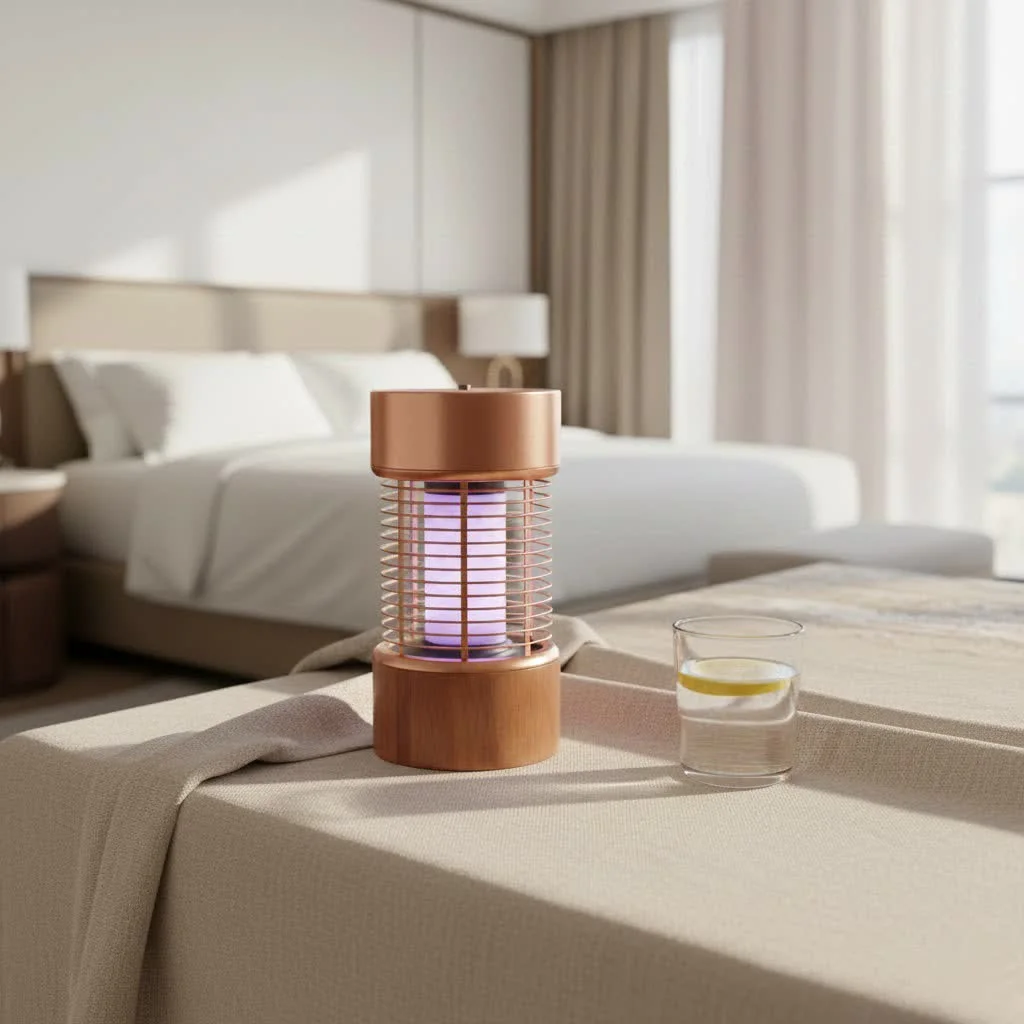
As the resident bug zapper enthusiast and content creator for JRDiy.com, with over 15 years in the trenches of pest control, I’ve seen countless devices and tested them in every imaginable scenario. Today, we’re diving deep into the world of UV light bug zappers to ensure you’re equipped with all the knowledge you need to choose, use, and maintain yours like a seasoned pro.
How UV Light Bug Zappers improve your Pest Control Strategy
At its core, a UV light bug zapper is a marvel of simple, yet effective, engineering that turns an insect’s natural instincts against itself. It’s not magic; it’s pure science at work!
The Science of Attraction: How UV-A Light Works
Insects, unlike humans, perceive ultraviolet (UV) light. Their compound eyes are specially adapted to detect UV-A wavelengths, typically between 350 to 400 nanometers, with many models honing in on the 365-395nm range for optimal attraction. They often mistake these intense UV sources for natural navigation cues or signals from blooming flowers that reveal UV patterns invisible to the human eye. This phenomenon, known as phototaxis, is precisely what a UV light bug zapper leverages.
JR, founder of JRDiy.com, often remarks, “It’s like putting out a glowing ‘Welcome!’ sign that only bugs can read. Once they see that concentrated UV beacon, their flight navigation system goes a little haywire, drawing them straight in.”
The Zapping Mechanism: Electric Grids vs. Glue Boards
Once attracted, insects meet their fate through one of two primary mechanisms:
- Electric Grid: This is the classic, audible “zap!” that most people associate with bug zappers. As insects fly towards the UV light, they pass between two high-voltage electrified wire meshes. When an insect touches both grids simultaneously, it completes the circuit, resulting in an instant electrocution. This method is highly effective for immediate elimination.
- Glue Board: Some modern UV insect traps, particularly those designed for indoor use, incorporate sticky glue boards instead of an electrified grid. The UV light still lures the pests, but instead of being zapped, they simply get stuck to the non-toxic adhesive surface. These are often quieter and ideal for environments where you want to avoid the “zap” sound and potential mist of insect particles.
Beyond the Buzz: What Types of Insects Are Actually Attracted?
|
Our Picks for the Best Bug Zapper in 2026
As an Amazon Associate I earn from qualifying purchases.
|
||
| Num | Product | Action |
|---|---|---|
| 1 | Bug Zapper Outdoor, Mosquito Zapper Indoor with Dusk to Dawn Light Sensor, 4000V Electric Fly Zapper, Waterproof Mosquito Killer, Fly Trap for Home, Patio, Kitchen, Garden - 9.8 FT Length Cable |

|
| 2 | Flowtron Bug Zapper, 1 Acre of Outdoor Coverage with Powerful 40W Bulb & 5600V Instant Killing Grid, Electric Insect, Fly & Mosquito Zapper, Made in The USA |
|
| 3 | AMUFER Bug Zapper Outdoor Indoor, 18W Power & 4400V Instant Grid Mosquito Repellent, Insect Control Efficiency Increased 100%, 1/2 Acre Coverage, Fly Trap for Patio, Backyard, Home |
|
| 4 | ASPECTEK Insect Killer, Bug Zapper, Powerful 20W Electronic Indoor Fly Zapper, Mosquito Killer-Indoor Use Including Free 2 Pack Replacement Bulbs |
|
| 5 | DEVOGUE® Electric Fly Swatter Bug Zapper Battery Operated Flies Killer Indoor & Outdoor Pest Control Mosquito Zapper and Insect Catcher Racket |
|
| 6 | GOOTOP Bug Zapper Outdoor, Mosquito Zapper, 3 Prong Plug in Electric Fly Zapper, Mosquito Killer, Fly Traps, Flying Insects Zapper Indoor Outdoor 90-130V, 4200V, ABS Plastic Outer (Black) |
|
| 7 | YISSVIC Bug Zapper Outdoor Indoor Waterproof Electric Mosquito Lamp Fly Zapper Killer Effective 4200V Plug in for Home Patio Office Courtyard (One-Light Control Bug Zapper) |
|
| 8 | LiBa Electric Bug Zapper, Indoor Insect Killer - (2) Extra Replacement Bulbs - Fly, Mosquito Killer and Repellent - Lightweight, Powerful 2800V Grid, Easy-to-Clean, with a Removable Washable Tray. |
|
| 9 | FVOAI Bug Zapper Outdoor, Mosquito Zapper, Fly Zapper, Insect Zapper Electric Fly Traps for 1/2 Acre, Indoor Outdoor Use with 3 Prong Plug-in,4200V, ABS Plastic Outer, Black |
|
| 10 | BugMD Fruit Fly Trap Indoor for Safer Home, Gnat Traps for House Indoor, Gnat Killer, Plug in Bug Catcher, Fly Trap, Insect Traps, Fruit Fly Killer |
|
While a UV light bug zapper is a fantastic tool, it’s essential to understand its specific strengths. They are incredibly effective at luring and eliminating a wide range of flying insects, including:
- Flies (house flies, fruit flies)
- Moths
- Gnats
- Beetles
- Mayflies
However, a common misconception is that they’re the ultimate mosquito solution. While mosquitoes can be somewhat attracted to UV light, their primary attractants are carbon dioxide (from our breath), body heat, and specific chemical signatures. This means that if humans are nearby, mosquitoes might bypass the zapper for a more appealing target. Some advanced zappers now integrate additional attractants like octenol or CO2 emitters to boost their effectiveness against mosquitoes.
Choosing the Perfect UV Light Bug Zapper for Your Needs
Selecting the right UV light bug zapper isn’t a one-size-fits-all situation. It depends on where you’ll use it, the size of the area, and the types of pests you’re battling.
Indoor vs. Outdoor Models: Coverage and Durability
Consider your primary battleground:
- Indoor Bug Zappers: These are typically smaller, often designed for quieter operation, and cover areas like 250-400 square feet. They are perfect for kitchens, bedrooms, living rooms, and offices. Many indoor models prioritize safety with fine mesh screens to prevent accidental contact and often feature glue board systems for silent operation and mess-free disposal.
- Outdoor Bug Zappers: Built to withstand the elements, outdoor models are generally more robust and cover much larger areas, some claiming up to an acre. They’re ideal for patios, decks, gardens, and larger outdoor living spaces. Look for weather-resistant housing and robust construction.
Power and Wavelengths: Understanding Wattage, Square Footage, and Optimal UV Spectrum
The effectiveness of your bug zapper often correlates with its power and the quality of its UV light.
- Wattage & Coverage: For indoor use, a 15W zapper might cover a 250 sq ft room, while a 20W model can handle up to 400 sq ft. Outdoor units will boast higher wattages to achieve their expansive coverage.
- UV Wavelengths: Modern UV light bug zappers use LED technology to precisely target the most attractive wavelengths. The sweet spot is typically 365-395nm, which is highly effective for many flying insects while remaining safe for human exposure.
Key Features to Look For
When shopping, keep an eye out for these practical features:
- Safety Cages: Essential for preventing accidental contact with the electrified grid, especially in homes with children or pets.
- Easy-Clean Trays: A removable collection tray simplifies the disposal of zapped insects, making maintenance a breeze.
- Additional Attractants: If mosquitoes are a major problem, consider models that incorporate octenol cartridges or CO2 emitters alongside the UV light.
- Silent Operation: For indoor use, especially in bedrooms or quiet spaces, a model that promises “whisper quiet” operation or uses glue boards might be preferred.
Installation and Safe Usage: Setting Up Your Zapper for Success
Proper setup is paramount for both effectiveness and safety. Don’t just plug it in and hope for the best!
Strategic Placement is Everything
Where you place your UV light bug zapper dramatically impacts its performance and safety:
- Distance from People: Here’s a critical tip: bug zappers work by attracting bugs to them. When bugs are electrocuted, they can explode, spreading tiny insect particles, bacteria, and even viruses in a mist up to 7 feet (about 2 meters) away. For this reason, always place your zapper at least 20-40 feet away from areas where people gather, dine, or prepare food. This reduces the risk of inhaling contaminated particles or having them settle on food.
- Optimal Height: For best results, hang outdoor zappers about 6 feet off the ground. This height places the device directly in the flight path of most flying insects.
- Avoiding Competing Light Sources: UV bug zappers are most effective when they are the most attractive light source around. Avoid placing them near competing lights like porch lights, street lamps, or brightly lit windows, as these will distract insects away from your zapper.
Powering Up Safely
Always ensure your zapper is plugged into a suitable, grounded outdoor outlet if it’s an outdoor model. If you’re using it in a busy area, try to use an out-of-reach electrical socket to prevent accidental unplugging that might interrupt its pest-zapping duty.
Keeping Your Zapper Zapping: Essential Maintenance Tips
A UV light bug zapper is a workhorse, but like any tool, it needs a little TLC to keep performing at its best. Neglecting maintenance can significantly reduce its effectiveness.
Regular Cleaning for Peak Performance
A clogged grid means a less effective zapper. Here’s how to keep it pristine:
- Safety First: ALWAYS unplug your zapper from the power source and allow it to cool down before any cleaning. Never clean a live unit.
- Remove the Tray: Carefully remove and empty the collection tray at the bottom, if your model has one.
- Brush the Grid: Use a soft-bristled brush (many come with one) to gently brush off any dead insects and debris from the electrified grid. You can also use compressed air or a small vacuum cleaner to reach stubborn spots. Work methodically to ensure thorough cleaning without damaging delicate wires.
- Wipe Down the Housing: Use a microfiber cloth to wipe the exterior housing. Avoid harsh chemicals like bleach or alcohol, as they can damage the casing. Never spray water directly into the unit unless it’s specifically rated as waterproof.
- Frequency: During peak bug season, I recommend checking and cleaning your zapper weekly or bi-weekly. Even in lower-use areas, clean it at least once a month. Always give it a thorough cleaning before storing it for the off-season.
UV Bulb Care and Replacement
The UV bulb is the heart of your UV light bug zapper, and it has a finite lifespan.
- Why Change Bulbs? Even if a UV bulb still glows, its UV output, which attracts insects, diminishes over time. A bulb that looks fine to your eyes might not be effective to a bug!
- Lifespan: Most UV bulbs have a lifespan of approximately 3,000 to 10,000 hours, which often translates to about 4 months to a year of continuous use.
- Replacement Schedule: It’s best practice to replace your UV bulb annually, typically at the beginning of spring when insect activity picks up. Always use the manufacturer-recommended replacement bulbs.
- Cleaning Bulbs: Monthly, gently wipe your UV bulbs with a microfiber cloth. Avoid touching the bulbs with bare hands, as skin oils can reduce light output and create hot spots, shortening bulb life.
Troubleshooting Common UV Bug Zapper Issues
If your UV light bug zapper isn’t performing as expected, don’t panic! Most issues are easily remedied.
Not Zapping? Here’s Why
- Improper Placement: As discussed, competing light sources or placing the zapper too far from bug activity are common culprits. Relocate it to a darker, more strategic spot.
- Insufficient Light Output: The UV bulb might be old or dirty. Clean it, or if it’s past its prime, replace it.
- Clogged Grids: Accumulated dead insects on the grid can prevent new bugs from being zapped. A thorough cleaning usually solves this.
- Environmental Factors: Strong winds can disperse the UV light and scents, making the zapper less effective. Heavy rain might also deter flying insects.
Extending the Life of Your Device
To get the most out of your investment, to follow manufacturer guidelines for maintenance, keep it away from excessive moisture (unless waterproof), and don’t substitute parts with non-approved alternatives. JR recommends, “Think of your bug zapper like a car – regular tune-ups keep it running efficiently year after year, saving you headaches and money in the long run.”
UV Light Bug Zappers: Dispelling Myths and Understanding Their Role
Let’s address some lingering questions about these handy devices.
Are They Safe for Families and Pets?
Generally, yes. The UV-A light emitted by bug zappers operates at wavelengths (345-370nm) that scientists agree are harmless to humans under normal operating conditions. The protective outer cage on quality models is designed to prevent accidental contact with the high-voltage grid, making them safe for use around children and pets. The primary safety concern is the aforementioned mist of insect particles, which can be mitigated by proper placement.
Impact on Beneficial Insects
It’s true that bug zappers are non-discriminatory; they will attract and zap any insect drawn to UV light, including some beneficial ones like pollinators or predatory species. To minimize this impact, I advise strategic placement (away from gardens) and timing (run primarily during peak pest activity in the evenings, rather than all day when pollinators are most active).
Comparison to Other Pest Control Methods
Compared to chemical sprays, a UV light bug zapper offers a distinct advantage: it’s 100% chemical-free. This makes it an excellent choice for homes with sensitivities to chemicals, or for those who prefer an eco-friendlier approach. While sticky traps are also chemical-free, zappers typically offer wider coverage and reusability, though they might be noisier if they have an electric grid.
Conclusion
A high-quality UV light bug zapper is an invaluable tool for creating a more comfortable, pest-free environment, both indoors and out. By understanding how they work, choosing the right model for your needs, installing them strategically, and committing to regular maintenance, you’ll be well on your way to enjoying peaceful, bug-free moments.
At JRDiy.com, we believe that informed choices lead to better living. So go ahead, confidently select your UV light bug zapper, set it up right, and reclaim your space. Here’s to many buzz-free days and nights!
Frequently Asked Questions
How do UV light bug zappers effectively attract and eliminate insects?
UV light bug zappers attract insects by emitting UV-A light, typically in the 365-395nm range, which insects perceive as navigation cues. Once attracted, insects are either electrocuted by a high-voltage grid or trapped on a sticky glue board, providing effective elimination.
What types of flying insects are most attracted to UV bug zappers?
UV bug zappers are highly effective at attracting and eliminating a wide range of flying insects, including flies (house flies, fruit flies), moths, gnats, beetles, and mayflies. While they can attract some mosquitoes, mosquitoes are primarily drawn to CO2 and body heat.
What is the recommended distance to place a bug zapper from people?
For safety and hygiene, it is recommended to place bug zappers at least 20-40 feet away from areas where people gather, dine, or prepare food. This distance helps mitigate the spread of insect particles, bacteria, and viruses that can be released when insects are zapped.
How often should the UV bulb in a bug zapper be replaced?
Most UV bulbs have a lifespan of approximately 3,000 to 10,000 hours, which translates to about 4 months to a year of continuous use. It is best practice to replace your UV bulb annually, typically at the beginning of spring, to ensure optimal insect attraction.
Are UV light bug zappers safe for use around children and pets?
Yes, UV light bug zappers are generally safe for families and pets. The UV-A light emitted is harmless to humans under normal conditions, and quality models include protective outer cages to prevent accidental contact with the high-voltage grid. Proper placement away from gathering areas further enhances safety.
Maintain Your UV Light Bug Zapper for Peak Performance
Regular maintenance of your UV light bug zapper ensures its effectiveness and extends its lifespan. Follow these steps to keep your device clean and functional.
Always unplug your bug zapper from the power source and allow it to cool down completely before attempting any cleaning. Never clean a live unit to prevent electric shock.
Carefully remove and empty the collection tray located at the bottom of your zapper, if your model includes one. Dispose of dead insects and debris properly.
Use a soft-bristled brush (often included with the zapper) to gently brush off any dead insects and debris from the electrified grid. For stubborn spots, compressed air or a small vacuum can be used. Ensure thorough cleaning without damaging delicate wires.
Use a microfiber cloth to wipe the exterior housing of the zapper. Avoid harsh chemicals. Monthly, gently wipe the UV bulbs with a microfiber cloth, avoiding bare hand contact to prevent oil transfer.
Even if a UV bulb still glows, its insect-attracting UV output diminishes over time. Replace your UV bulb annually, ideally at the start of spring, using manufacturer-recommended replacements to maintain optimal effectiveness.
Get our weekly buyer guide
Practical specs, not advice. Unsubscribe anytime.
I was skeptical about how well a UV light bug zapper would work, but this thing is a game-changer! We used to have so many gnats and flies around our patio, especially in the evenings. After setting this up, it’s noticeably clearer. It really does attract them with the UV-A light and the zapping sound is oddly satisfying. Highly recommend for anyone dealing with outdoor pests.
Living near a lake means constant battles with mayflies, and this UV light zapper has been a lifesaver. I placed it strategically in our backyard, and it’s incredible how many it catches overnight. The electric grid is super efficient. It’s made our evenings so much more enjoyable without having to constantly swat at bugs. Best investment for summer!
The UV light bug zapper does a decent job with moths and some of the larger beetles, but I was hoping for more effectiveness against mosquitoes. It definitely reduces the overall flying insect population, which is a plus. However, I still get bitten by mosquitos when I’m outside, so it’s not a complete solution for those specific pests. It’s good for general pest control, just not perfect for everything.
This device has made a huge difference in our kitchen. We had a persistent fly problem that no amount of cleaning seemed to fix. The chemical-free aspect was a big selling point for me, as I didn’t want sprays around food. It’s been running for a few weeks now, and the glue board is definitely doing its job. Much more peaceful now without the constant buzzing.