There’s nothing quite like the peace of a home free from the incessant buzzing and irritating bites of flying insects. As a seasoned expert with over 15 years in the field and a content creator for JRDiy.com, I’ve seen countless pest control solutions come and go. But when it comes to truly effective, chemical-free indoor pest management, the Indoor Electric Bug Zapper stands out. It’s a game-changer for maintaining a comfortable, insect-free living space, and understanding its nuances is key to harnessing its full power.
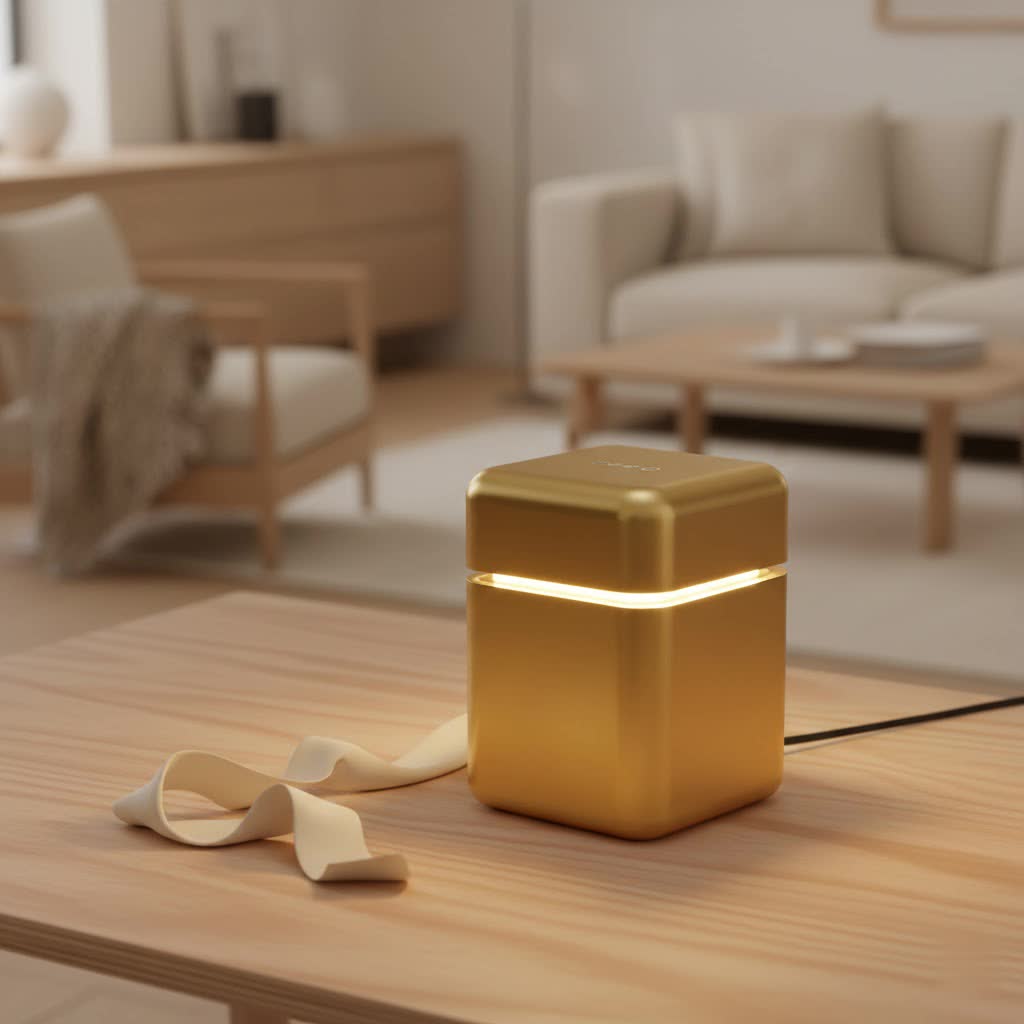
Let’s dive deep into how these devices work, how to choose the perfect one for your needs, and how to keep it running smoothly for years, transforming your home into a sanctuary against unwanted winged guests.
How Does an Indoor Electric Bug Zapper Actually Work?
At its core, an indoor electric bug zapper is a marvel of simple, yet highly effective engineering designed to lure and eliminate flying insects. Think of it as a silent, ever-vigilant guardian for your home. The fundamental principle is rooted in insect behavior: many flying pests are irresistibly drawn to specific wavelengths of light.
The heart of any good indoor electric bug zapper is its UV-A light source, typically emitting light in the 365-395 nanometer range. This spectrum is like a neon sign for bugs, particularly various flies, moths, and gnats. Once these curious critters are drawn to the light, they encounter a high-voltage electrified grid. Upon contact, they are instantly electrocuted, producing that characteristic “zap” sound – a satisfying confirmation that your device is working. The zapped insects then typically fall into a removable collection tray at the bottom of the unit, ready for easy disposal.
However, it’s worth noting that not all bug zappers operate with an electric grid. Some models, often designed for quieter operation in sensitive areas like bedrooms or food preparation zones, utilize UV light combined with sticky glue boards. These units attract insects with UV light, similar to their electric grid counterparts, but instead of electrocuting them, they trap them on a disposable adhesive surface. While silent, they require more frequent replacement of the glue boards. Each type has its place, and understanding their differences is crucial for choosing the right tool for the job.
Choosing the Best Indoor Electric Bug Zapper for Your Home
Selecting the right indoor electric bug zapper isn’t a one-size-fits-all situation. It involves considering various factors to match the device to your specific needs and environment. From the size of your space to the types of pests you’re battling, every detail counts.
Understanding UV Light and Insect Attraction
|
Our Picks for the Best Bug Zapper in 2026
As an Amazon Associate I earn from qualifying purchases.
|
||
| Num | Product | Action |
|---|---|---|
| 1 | ASPECTEK Insect Killer, Bug Zapper, Powerful 20W Electronic Indoor Fly Zapper, Mosquito Killer-Indoor Use Including Free 2 Pack Replacement Bulbs |

|
| 2 | BugMD Fruit Fly Trap Indoor for Safer Home, Gnat Traps for House Indoor, Gnat Killer, Plug in Bug Catcher, Fly Trap, Insect Traps, Fruit Fly Killer |
|
| 3 | LiBa Electric Bug Zapper, Indoor Insect Killer - (2) Extra Replacement Bulbs - Fly, Mosquito Killer and Repellent - Lightweight, Powerful 2800V Grid, Easy-to-Clean, with a Removable Washable Tray. |
|
| 4 | YISSVIC Bug Zapper Outdoor Indoor Waterproof Electric Mosquito Lamp Fly Zapper Killer Effective 4200V Plug in for Home Patio Office Courtyard (One-Light Control Bug Zapper) |
|
| 5 | Flowtron Bug Zapper, 1 Acre of Outdoor Coverage with Powerful 40W Bulb & 5600V Instant Killing Grid, Electric Insect, Fly & Mosquito Zapper, Made in The USA |
|
| 6 | FVOAI Bug Zapper Outdoor, Mosquito Zapper, Fly Zapper, Insect Zapper Electric Fly Traps for 1/2 Acre, Indoor Outdoor Use with 3 Prong Plug-in,4200V, ABS Plastic Outer, Black |
|
| 7 | DEVOGUE® Electric Fly Swatter Bug Zapper Battery Operated Flies Killer Indoor & Outdoor Pest Control Mosquito Zapper and Insect Catcher Racket |
|
| 8 | Bug Zapper Outdoor, Mosquito Zapper Indoor with Dusk to Dawn Light Sensor, 4000V Electric Fly Zapper, Waterproof Mosquito Killer, Fly Trap for Home, Patio, Kitchen, Garden - 9.8 FT Length Cable |
|
| 9 | AMUFER Bug Zapper Outdoor Indoor, 18W Power & 4400V Instant Grid Mosquito Repellent, Insect Control Efficiency Increased 100%, 1/2 Acre Coverage, Fly Trap for Patio, Backyard, Home |
|
| 10 | GOOTOP Bug Zapper Outdoor, Mosquito Zapper, 3 Prong Plug in Electric Fly Zapper, Mosquito Killer, Fly Traps, Flying Insects Zapper Indoor Outdoor 90-130V, 4200V, ABS Plastic Outer (Black) |
|
While UV-A light is a powerful attractant for many insects, it’s important to set realistic expectations, especially concerning mosquitoes. Scientific studies suggest that while traditional bug zappers are highly effective against non-biting flies and moths, mosquitoes are more strongly attracted to carbon dioxide and body heat. Some modern indoor electric bug zappers incorporate additional attractants, like octenol cartridges, to improve their mosquito-luring capabilities, but they are not a “silver bullet” for every mosquito problem. For comprehensive mosquito control, integrating your zapper with other strategies like indoor mosquito traps or ensuring good window screens is often recommended.
Grid vs. Glue Board: Picking Your Zapping Style
This is often one of the first decisions to make when purchasing an indoor electric bug zapper.
- Electric Grid Zappers: These are the classic “zapping” units. They provide instant, visible results and are generally low maintenance, requiring only occasional cleaning of the collection tray and grid. They are effective for larger areas and serious infestations. However, they can produce a “zapping” noise, which some find distracting, and in some environments (like food prep areas), the fragmentation of zapped insects can be a concern.
- Glue Board Traps: These units attract insects with UV light but trap them silently on a sticky adhesive board. They are ideal for quiet areas like bedrooms or offices, and they eliminate the issue of insect fragmentation, making them suitable for kitchens and dining areas. The trade-off is that glue boards need regular replacement.
When making your choice, consider the noise level you can tolerate and the environment in which the zapper will be placed.
Key Features to Look For
- Coverage Area (Square Footage): Indoor electric bug zappers come with varying coverage ranges. Smaller units might cover 500 sq. ft., while more powerful ones can handle up to 6,000 sq. ft., making them suitable for open-plan homes or larger rooms. Match the device’s coverage to the size of the room you intend to protect.
- Wattage: Higher wattage often indicates more powerful UV bulbs and a stronger electric grid, generally translating to more effective insect elimination.
- Safety Features: For indoor use, especially in homes with children and pets, safety is paramount. Look for models with tightly spaced protective outer grids or cages that prevent accidental contact with the electrified internal components. Some manufacturers, like Aspectek and Flowtron, are known for their robust designs.
- Design and Aesthetics: While functionality is key, the appearance of an indoor electric bug zapper can also be a factor. Many modern units are designed to blend more seamlessly into home decor, with discreet designs or decorative housings.
- Ease of Cleaning: A removable and washable collection tray is a non-negotiable feature for hygienic and convenient maintenance.
- Durability and Brand Reputation: Investing in a reputable brand often means better quality, longer lifespan, and reliable customer support. Flowtron, for example, is a family-owned business that has been around since 1920, known for durable products.
Strategic Placement: Maximizing Effectiveness and Safety
Where you place your indoor electric bug zapper is just as important as the zapper itself. Proper placement ensures maximum effectiveness while maintaining safety for your household.
Ideal Locations
Indoor electric bug zappers work best in darker areas, as competing light sources can reduce their attractiveness to insects. Consider placing them:
- In a corner of a room: Away from direct sightlines and other ambient light.
- Near entry points: Such as windows or doors, but crucially, away from the immediate opening. The goal is to draw insects away from the main living spaces, not directly into them. Place the zapper approximately 20-40 feet away from where people gather to effectively divert bugs.
- About 6 feet off the ground: For some models, this height is ideal for catching insects in their natural flight paths.
- Away from high-traffic areas: Especially where children and pets play, to prevent accidental contact.
“Think of your zapper as a beacon, guiding pests away from you and your family,” advises Dr. Anya Sharma, a leading entomologist and JRDiy.com consultant. “Strategic placement minimizes interaction with humans and maximizes its insect-luring potential.”
Where Not to Place Your Indoor Bug Zapper
Avoiding certain locations is critical for both efficacy and safety:
- Near food preparation or dining areas: While glue board traps can be acceptable, electric grid zappers can scatter insect fragments, posing a risk of contamination.
- Directly in front of windows or doors: This can inadvertently draw more insects into your home rather than just intercepting those already inside.
- In direct sunlight or near air vents: Direct sunlight can diminish the effectiveness of the UV light, and air vents can interfere with the bug zapper’s ability to attract insects.
- In high-humidity areas: Unless explicitly rated as waterproof, avoid bathrooms or directly next to sinks to prevent damage to electrical components.
- Within easy reach of children and pets: Even with protective grids, it’s best to keep these devices out of curiosity’s way.
Installation & First Use: Getting Started Right
One of the beauties of an indoor electric bug zapper is its straightforward installation. Most units are simply plug-and-play, meaning you can get them up and running in minutes.
- Unpack and Assemble: Carefully remove the zapper from its packaging. If any minor assembly is required (like attaching a collection tray), follow the manufacturer’s instructions.
- Choose Your Location: Based on the strategic placement tips above, decide where your zapper will live.
- Plug It In: Connect the power cord to a wall outlet. For optimal 24/7 protection, many users run their bug zappers continuously.
- Give It Time: For initial setup, allow the indoor electric bug zapper to operate continuously for at least 48 hours. This helps to disrupt insect cycles and establish consistent pest control in your space.
Remember, while some outdoor zappers might have higher voltages and less protection, always choose an indoor-specific model for optimal safety within your home.
Essential Maintenance for a Long-Lasting Indoor Electric Bug Zapper
To ensure your indoor electric bug zapper remains an effective and safe defense against flying pests, regular maintenance is non-negotiable. Neglecting your zapper can lead to reduced efficiency, potential hazards, and a shorter lifespan for the device.
Cleaning Your Zapper Safely and Effectively
The frequency of cleaning depends on how busy your bug zapper is. In high-traffic areas like kitchens, you might need to clean it every 1-2 weeks. In less active spots, once a month may suffice. Regardless, a quick visual inspection weekly is a good habit.
Here’s a step-by-step guide to safe and effective cleaning:
- Safety First: Unplug and Cool Down: ALWAYS unplug your indoor electric bug zapper from the power source before attempting any cleaning. Allow the unit to cool completely, especially if it uses UV bulbs that generate heat. It’s also wise to wait a couple of minutes for any residual electrical charge to dissipate.
- Empty the Bug Tray: Most indoor units feature a removable collection tray at the bottom. Gently slide it out and dispose of the dead insects. For hygiene, empty the contents into a sealed bag before discarding.
- Clean the Electric Grid: Using a soft brush (an old toothbrush or a small, stiff-bristled brush works well), carefully brush away any stuck insect debris from the metal grid. Avoid using water directly on the electrical components unless the unit is specifically waterproof. Some manufacturers suggest using a small vacuum or even a leaf blower (on a low setting) for more stubborn debris.
- Wipe Down the Housing: Use a dry or slightly damp microfiber cloth to clean the exterior of the zapper. Pay attention to areas around the UV bulbs where dust tends to accumulate. Avoid harsh chemicals like bleach or alcohol, as they can damage the casing.
- Reassemble and Test: Once everything is clean and dry, reassemble the unit, ensuring the collection tray is securely in place. Plug it back in and verify that it’s operating correctly.
When and How to Replace UV Bulbs
The UV light bulbs are the primary attractant, and their effectiveness diminishes over time, even if they still appear to be lit. Most UV bulbs have an approximate lifespan of 3,000 hours, or about 4 months of continuous use.
- Why Replace? Even if the bulb is still glowing, its ability to emit the insect-attracting UV-A spectrum will weaken, making your zapper less efficient.
- How to Replace:
- Unplug and Cool: As with cleaning, always unplug the unit and let the bulbs cool down completely.
- Access the Bulbs: Follow your specific indoor electric bug zapper’s manual for instructions on accessing the bulbs. This usually involves removing a protective cage or screws.
- Remove Old Bulbs: Gently twist or pull out the old bulbs, depending on their fitting.
- Install New Bulbs: Insert the new, compatible UV bulbs according to the manufacturer’s instructions.
- Reassemble: Securely replace any covers or screws you removed.
Regular maintenance not only keeps your home free of flying insects but also extends the life of your investment.
Common Questions About Indoor Electric Bug Zappers
As a JRDiy expert, I often hear similar questions from homeowners looking to integrate an indoor electric bug zapper into their pest control strategy. Let’s tackle some of the most common ones.
Q: Are indoor electric bug zappers safe for kids and pets?
A: Generally, yes, modern indoor electric bug zappers are designed with safety in mind. They feature protective outer grids or cages with spacing small enough to prevent fingers or paws from reaching the electrified components. The voltage, while high enough to eliminate insects, is typically low enough to deliver only a mild, non-life-threatening shock to humans or larger animals upon accidental contact. However, proper placement out of reach and educating children to “look but don’t touch” remains essential.
Q: Do indoor electric bug zappers attract mosquitoes effectively?
A: While they do attract some mosquitoes, traditional indoor electric bug zappers are generally more effective against other flying insects like flies, gnats, and moths. Mosquitoes are primarily attracted to carbon dioxide and body heat. Some advanced models include additional mosquito attractants, but for comprehensive mosquito control, supplementary methods are often recommended.
Q: What is the “zapping” sound?
A: The characteristic “zap” sound is simply the audible result of an insect making contact with the high-voltage electrified grid and being instantly electrocuted. It’s a sign that your indoor electric bug zapper is actively working to clear your space of pests.
Q: Can I use an outdoor bug zapper indoors?
A: While some versatile bug zapper models are rated for both indoor and outdoor use, it’s generally best to use indoor-specific units inside your home. Outdoor bug zappers often have higher voltages and may lack the tight protective screens essential for indoor safety, especially around children and pets. Indoor models are usually designed to be more compact, quieter, and safer for enclosed spaces.
Q: Are they chemical-free?
A: Yes, one of the significant advantages of indoor electric bug zappers is that they are generally chemical-free. They rely on UV light and electricity, offering an odorless and non-toxic alternative to sprays and pesticides, making them a popular choice for environmentally conscious households and those with chemical sensitivities.
Conclusion
Embracing an indoor electric bug zapper is a smart move for anyone seeking a more comfortable, insect-free home. From understanding the science behind their alluring UV light and powerful electric grids to choosing the perfect model and maintaining it meticulously, you now have the expert knowledge to make an informed decision. Here at JRDiy.com, our mission is to empower you with practical, reliable advice, helping you navigate complex technical issues with ease.
By integrating an indoor electric bug zapper into your home pest control strategy, you’re not just buying a device; you’re investing in peace of mind and a cleaner, more enjoyable living environment. So, go ahead, reclaim your space, and let your indoor electric bug zapper do the heavy lifting, ensuring your home remains the sanctuary it was meant to be.
