A bug lamp zapper is an electronic insect control device that attracts and eliminates flying insects using UV light and an electrified grid. These devices are highly effective against moths, flies, and certain beetles, providing a clean and quick method for immediate insect removal in both indoor and outdoor environments. With over 15 years of pest control experience at JRDiy, we’ve seen these tools evolve into sophisticated solutions for reclaiming your space from buzzing intruders.
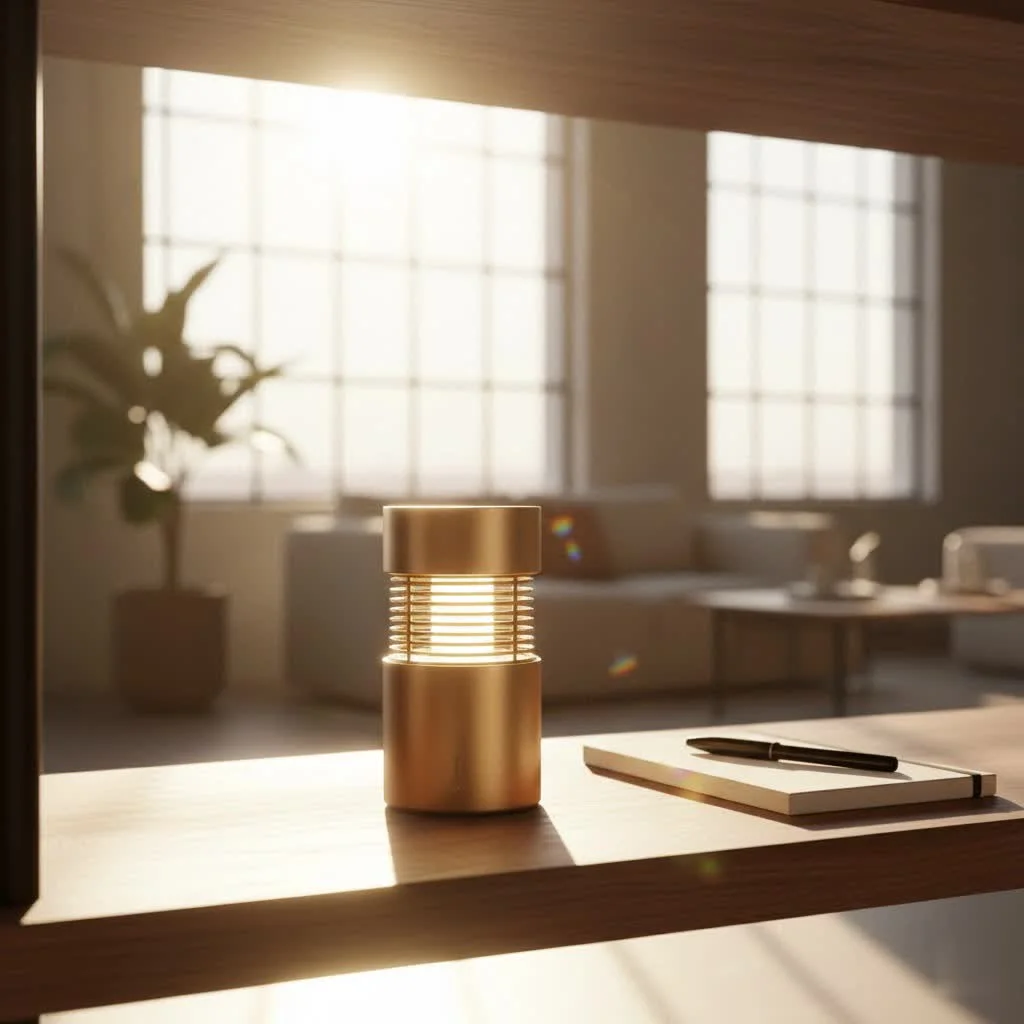
What Exactly is a Bug Lamp Zapper and How Does it Work?
At its core, a bug lamp zapper is an electronic insect control device designed to attract and eliminate flying insects. The magic, or rather the science, happens in two stages. First, a UV light, typically emitting ultraviolet-A (UV-A) rays, acts as an irresistible beacon for nocturnal insects like moths, flies, and some mosquitoes. These specific wavelengths are highly attractive to many insects, drawing them in like moths to a flame – quite literally.
Once these unsuspecting pests get close enough, they encounter an electrified metal grid surrounding the light source. This grid carries a high-voltage, low-amperage current. When an insect completes the circuit by touching two parts of the grid, it’s instantly electrocuted, often accompanied by that distinctive “zap” sound. It’s a clean, quick, and generally effective method for immediate insect removal. You might wonder, “Why do bugs flock to the light?” Insects, especially nocturnal ones, use natural light sources like the moon for navigation. An artificial UV light source can disorient them, drawing them directly to the bug lamp zapper.
Navigating the World of Bug Zappers: Types and Features
The world of bug lamp zappers isn’t one-size-fits-all. Different environments and pest problems call for different solutions. Knowing the various types and their features is crucial for making an informed choice.
Electric Grid Zappers
These are the most common bug lamp zappers, distinguished by their exposed electrified grid. They range from compact indoor models to robust outdoor units designed to cover large areas. Their main advantage is immediate, audible elimination, giving you satisfying feedback with every zap. However, they can create a mess, as insect fragments might be ejected.
Glue Board Zappers
Often favored for indoor, sensitive environments like kitchens or restaurants, glue board zappers combine UV light with a disposable sticky trap. Insects are attracted to the light and then adhere to the glue board, where they die. These are silent and contain the insect remains, making them more hygienic. The downside is that you have to periodically replace the glue boards.
Solar-Powered & Portable Zappers
|
Our Picks for the Best Bug Zapper in 2026
As an Amazon Associate I earn from qualifying purchases.
|
||
| Num | Product | Action |
|---|---|---|
| 1 | FVOAI Bug Zapper Outdoor, Mosquito Zapper, Fly Zapper, Insect Zapper Electric Fly Traps for 1/2 Acre, Indoor Outdoor Use with 3 Prong Plug-in,4200V, ABS Plastic Outer, Black |

|
| 2 | YISSVIC Bug Zapper Outdoor Indoor Waterproof Electric Mosquito Lamp Fly Zapper Killer Effective 4200V Plug in for Home Patio Office Courtyard (One-Light Control Bug Zapper) |
|
| 3 | Flowtron Bug Zapper, 1 Acre of Outdoor Coverage with Powerful 40W Bulb & 5600V Instant Killing Grid, Electric Insect, Fly & Mosquito Zapper, Made in The USA |
|
| 4 | DEVOGUE® Electric Fly Swatter Bug Zapper Battery Operated Flies Killer Indoor & Outdoor Pest Control Mosquito Zapper and Insect Catcher Racket |
|
| 5 | ASPECTEK Insect Killer, Bug Zapper, Powerful 20W Electronic Indoor Fly Zapper, Mosquito Killer-Indoor Use Including Free 2 Pack Replacement Bulbs |
|
| 6 | AMUFER Bug Zapper Outdoor Indoor, 18W Power & 4400V Instant Grid Mosquito Repellent, Insect Control Efficiency Increased 100%, 1/2 Acre Coverage, Fly Trap for Patio, Backyard, Home |
|
| 7 | LiBa Electric Bug Zapper, Indoor Insect Killer - (2) Extra Replacement Bulbs - Fly, Mosquito Killer and Repellent - Lightweight, Powerful 2800V Grid, Easy-to-Clean, with a Removable Washable Tray. |
|
| 8 | BugMD Fruit Fly Trap Indoor for Safer Home, Gnat Traps for House Indoor, Gnat Killer, Plug in Bug Catcher, Fly Trap, Insect Traps, Fruit Fly Killer |
|
| 9 | Bug Zapper Outdoor, Mosquito Zapper Indoor with Dusk to Dawn Light Sensor, 4000V Electric Fly Zapper, Waterproof Mosquito Killer, Fly Trap for Home, Patio, Kitchen, Garden - 9.8 FT Length Cable |
|
| 10 | GOOTOP Bug Zapper Outdoor, Mosquito Zapper, 3 Prong Plug in Electric Fly Zapper, Mosquito Killer, Fly Traps, Flying Insects Zapper Indoor Outdoor 90-130V, 4200V, ABS Plastic Outer (Black) |
|
For campers, hikers, or those who need flexible placement in their yard without worrying about power cords, solar-powered bug lamp zappers are a major upgrade. They charge during the day and operate at night, offering great convenience. Portable, battery-operated models are also fantastic for picnics or outdoor gatherings. Their power and coverage area might be less than corded models, but their versatility is unmatched.
Water Traps and Combination Zappers
Some advanced bug lamp zappers incorporate additional attractants, such as octenol or carbon dioxide, which mimic human breath, making them potentially more effective against mosquitoes. Others include water trays or fans to drown or trap insects. These combination units aim to enhance the zapper’s appeal to a wider range of pests, improving its overall efficacy.
When choosing your bug lamp zapper, consider key features like the coverage area (often measured in square feet or acres), wattage of the UV bulb (higher wattage usually means brighter light and greater attraction range), material construction (durable, weather-resistant plastics or metals are best for outdoor use), an easily accessible collection tray for disposal, and simple cleaning mechanisms. to check the weather resistance rating if it’s for outdoor use and its noise level, especially if placed near living areas.
Choosing the Right Bug Zapper for Your Needs
Selecting the perfect bug lamp zapper isn’t just about grabbing the first one you see. It’s about matching the device to your specific pest problem and environment.
Indoor vs. Outdoor Use
Indoor bug lamp zappers are typically smaller, quieter, and designed to minimize mess. They often use glue boards or have enclosed grids to contain insect fragments. They’re ideal for kitchens, workshops, or garages where flies and gnats are a nuisance.
Outdoor bug lamp zappers are built for resilience. They’re usually larger, more powerful, and weather-resistant, able to withstand rain and varying temperatures. They’re perfect for patios, decks, gardens, and larger outdoor spaces where mosquitoes, moths, and other flying insects can be a significant problem. outdoor models are often much louder, which is fine in an open-air setting.
Targeting Specific Pests
While bug lamp zappers are great for many flying insects, their effectiveness varies. They are highly effective against moths, flies, and certain beetles that are strongly attracted to UV light. However, their efficacy against mosquitoes is often debated. While some mosquitoes are attracted, many studies suggest that bug zappers often kill more beneficial insects than biting mosquitoes. If mosquitoes are your primary target, consider a bug lamp zapper with additional attractants like octenol, or combine it with other mosquito control methods.
Placement is Key
Where you place your bug lamp zapper can dramatically impact its performance. For outdoor units, place them about 25-50 feet away from where people gather. This draws insects away from your immediate area. Position it near insect breeding grounds, if possible, but not directly over food or seating areas, as the “zap” can release insect fragments. Avoid placing it too close to other bright lights, which can diminish the zapper’s drawing power. For indoor bug lamp zappers, place them in a corner or an area away from direct foot traffic but where pests are frequently observed, such as near a garbage can or back door.
Installation and Safe Operation: Setting Up Your Zapper Like a Pro
Once you’ve chosen your bug lamp zapper, proper installation and safe operation are paramount. You want to eliminate bugs, not create a hazard!
Hanging Your Zapper
Most outdoor bug lamp zappers come with a hanging ring or hook. The optimal height for hanging is typically between 6 to 8 feet off the ground. This height is high enough to be out of reach for children and pets but low enough to attract flying insects effectively. Secure it to a sturdy hook on a porch, pergola, or a dedicated zapper stand. Ensure it’s not directly above any seating or dining areas to avoid insect debris falling.
Electrical Safety First
Always plug your outdoor bug lamp zapper into a Ground Fault Circuit Interrupter (GFCI) outlet. This critical safety feature will trip the circuit if it detects an electrical fault, preventing shocks. If you’re using an extension cord, ensure it’s rated for outdoor use and is in good condition, free from cuts or fraying. Never attempt to modify the electrical components of your zapper.
Weather Protection
Even “weather-resistant” bug lamp zappers benefit from some protection. If possible, place your outdoor unit under an overhang or in a sheltered spot to shield it from heavy rain and direct, prolonged sun exposure. This not only extends the life of the unit but also prevents potential electrical issues. “Can I leave my bug zapper on all night?” Absolutely, in fact, many insects are most active after dusk, so leaving it on from dusk till dawn is often the most effective approach. Just ensure it’s properly protected from the elements.
Maximizing Lifespan: Maintenance and Troubleshooting for Your Bug Zapper
A bug lamp zapper is an investment, and like any tool, it performs best with regular care. Proper maintenance ensures its effectiveness and extends its lifespan.
Regular Cleaning Rituals
The electrified grid is the heart of your bug lamp zapper, and it can quickly become clogged with insect remains, reducing its efficiency.
- Unplug First: Before doing anything, always unplug the bug lamp zapper from the power source. Safety always comes first!
- Empty Collection Tray: Most zappers have a removable tray at the bottom for easy disposal of dead insects. Empty this regularly, ideally weekly or whenever it looks full.
- Clean the Grid: Use a small, non-metallic brush (often provided with the zapper, or a stiff toothbrush works) to gently brush away any stuck insect debris from the grid wires. Avoid using water or any liquid cleaners directly on the grid, as this can damage the electronics or create a short circuit. For stubborn grime, a blast of compressed air can be very effective.
Bulb Replacement
The UV bulbs inside your bug lamp zapper are not incandescent bulbs; they don’t typically burn out, but rather their UV-A output diminishes over time. After approximately 3,000 to 5,000 hours of use (roughly 4-6 months of continuous nightly operation), the bulb’s ability to attract insects significantly decreases, even if it still appears to be glowing. Replacing the UV bulb annually or bi-annually, depending on usage, is crucial for maintaining optimal attraction power. Always use replacement bulbs specified by the manufacturer for your particular bug lamp zapper model.
Common Issues and Quick Fixes
- Zapper not zapping: First, check if it’s plugged in correctly and if the outlet has power (test with another appliance). Inspect the cord for damage. If the light is on but no zapping, the grid might be too dirty and needs a thorough dry brushing.
- Dim light: This is usually a sign that the UV bulb is aging and needs replacement, even if it hasn’t completely failed.
- Excessive noise (other than zapping): If you hear constant buzzing or unusual sounds, unplug the unit immediately and inspect for loose parts or internal damage. If you can’t identify a simple fix, it’s best to consult a professional or consider replacing the unit.
“Keeping your bug lamp zapper clean isn’t just about hygiene; it’s about maintaining peak performance and safety. A neglected grid can become a fire hazard, and a dirty light won’t attract much of anything,” advises Dr. Eleanor Vance, Entomologist at JRDiy Labs.
Beyond the Buzz: Advanced Tips for a Bug-Free Zone
While your bug lamp zapper is a powerful ally, think of it as part of a larger strategy for a truly bug-free environment.
- Combine Methods: For areas with high mosquito populations, pair your bug lamp zapper with mosquito repellent systems that emit spatial repellents or use fans to create air currents that deter mosquitoes. Citronella candles and torches can also add a layer of protection, especially in smaller, localized areas.
- Minimize Other Light Sources: If you’re using an outdoor bug lamp zapper, dim or turn off other outdoor lights in the area. This ensures that your zapper’s UV light is the most dominant and attractive light source, maximizing its effectiveness.
- Understand Bug Behavior: Different bugs are active at different times. Mosquitoes are most active at dawn and dusk. Moths and other nocturnal insects come alive after dark. Running your bug lamp zapper during these peak activity times will yield the best results. Also, try to eliminate standing water, which is a prime mosquito breeding ground, and keep trash cans sealed to deter flies.
Frequently Asked Questions About Bug Zappers
Q1: Are bug zappers safe for pets and children?
While the electric grid poses a shock hazard, most modern bug lamp zappers are designed with protective cages or screens to prevent accidental contact with the high-voltage grid. However, it’s always safest to place them out of reach of curious children and pets, especially larger outdoor units.
Q2: How long do bug zapper bulbs last?
UV bulbs in bug lamp zappers typically last between 3,000 to 5,000 hours of continuous use. While they may still emit visible light after this period, their critical UV-A output, which attracts insects, significantly diminishes, making them less effective.
Q3: Do bug zappers attract more bugs?
Yes, bug lamp zappers are designed to attract bugs using UV light. The idea is to attract them away from you and to the device for elimination. However, if placed too close to where people are, they might initially draw bugs into your immediate vicinity before zapping them. Strategic placement is key.
Q4: What’s the best place to put an outdoor bug zapper?
For optimal effectiveness, place your outdoor bug lamp zapper about 25-50 feet away from your primary gathering areas (patios, decks). This draws insects away from where you are, rather than attracting them closer. Position it near insect breeding grounds if known, but always ensure it’s protected from the elements.
Q5: Are bug zappers effective against mosquitoes?
Bug lamp zappers are generally effective against many flying insects like moths and flies. While they do kill some mosquitoes, they are often less effective against biting mosquitoes than other methods (like repellents or larvicides) because many mosquito species aren’t strongly attracted to UV light alone. Zappers with additional attractants like octenol can improve mosquito efficacy.
Reclaim Your Space: The JRDiy Promise
Understanding and correctly utilizing your bug lamp zapper is a powerful step towards enjoying your home and yard without the constant annoyance of flying insects. From choosing the right type for your specific needs to mastering installation, maintenance, and even advanced placement strategies, you’re now equipped with the expert knowledge to truly make your bug zapper work for you. a well-chosen and properly maintained bug lamp zapper from JRDiy isn’t just a device; it’s your personal guardian against buzzing intruders, ensuring peace and comfort in your living spaces. Visit JRDiy.com for more insights and share your bug-zapping victories with our community!
Frequently Asked Questions
Are bug zappers safe for pets and children?
Most modern bug lamp zappers feature protective cages or screens to prevent accidental contact with the high-voltage grid. However, for maximum safety, it is always recommended to place them out of reach of curious children and pets, especially larger outdoor units.
How long do bug zapper bulbs last?
UV bulbs in bug lamp zappers typically last between 3,000 to 5,000 hours of continuous use. After this period, their critical UV-A output, which attracts insects, significantly diminishes, even if they still emit visible light, making them less effective.
Do bug zappers attract more bugs to an area?
Yes, bug lamp zappers are designed to attract bugs using UV light, drawing them away from people and towards the device for elimination. However, improper placement too close to gathering areas might initially draw bugs into your immediate vicinity before they are zapped. Strategic placement 25-50 feet away is crucial.
What is the best place to put an outdoor bug zapper?
For optimal effectiveness, place your outdoor bug lamp zapper approximately 25-50 feet away from your primary gathering areas like patios or decks. This strategy draws insects away from where people are. Position it near insect breeding grounds if known, and always ensure it is protected from the elements.
Are bug zappers effective against mosquitoes?
Bug lamp zappers are generally effective against many flying insects such as moths and flies. While they do kill some mosquitoes, they are often less effective against biting mosquitoes than other methods like repellents or larvicides, as many mosquito species are not strongly attracted to UV light alone. Zappers with additional attractants like octenol can improve mosquito efficacy.
Clean Your Bug Lamp Zapper
Regular cleaning of your bug lamp zapper is essential for maintaining its effectiveness and extending its lifespan. This procedure ensures the electrified grid remains clear of insect debris.
Before performing any cleaning or maintenance, always unplug your bug lamp zapper from the power source. This is a critical safety step to prevent electrical shock.
Most bug zappers feature a removable tray at the bottom designed to collect dead insects. Empty this tray regularly, ideally on a weekly basis or whenever it appears full, to prevent overflow and maintain hygiene.
Use a small, non-metallic brush (often included with the zapper, or a stiff toothbrush) to gently brush away any stuck insect debris from the grid wires. Avoid using water or liquid cleaners directly on the grid, as this can damage the electronics. For stubborn grime, compressed air can be highly effective.
Get our weekly buyer guide
Practical specs, not advice. Unsubscribe anytime.
The bug lamp zapper I got based on the info here works okay for moths, but I was hoping it would do more for mosquitoes. It gets some, but not as many as I’d like, especially in the evenings. Maybe I need a different type for those specific wavelenghts, or a bigger model for my patio. It’s not bad, just not a complete solution for my mosquito problem.
This guide was really helpful in understanding how these devices work. I picked up a model that was mentioned for indoor use, and it’s been great for the occasional fly that gets into the kitchen. It’s a clean and quick method, and I appreciate not having to use sprays around food. It’s pretty quiet too, which is a bonus.
After reading about the different types of bug lamp zappers, I invested in a higher-end model for my backyard. It’s been fantastic against beetles and other nocturnal insects. The electrified grid is super efficient, and it’s great to finally reclaim my outdoor space without being constantly swarmed. Worth every penny for the peace of mind.
I’ve been battling flies in my garage for weeks, and this guide really helped me pick the right bug lamp zapper. The UV light is super effective, and it’s so satisfying to hear that zap! It’s made a huge difference in keeping my workspace clear of those annoying buzzing intruders. Definitely recommend getting one for any enclosed outdoor spaces.