An electric fly bug zapper is an essential tool for pest control, effectively eliminating flying insects like flies, mosquitoes, and moths by luring them with ultraviolet (UV) light and then electrocuting them with a high-voltage wire mesh grid. These devices are chemical-free, versatile, and can significantly reduce insect populations, with a single zapper capable of eliminating thousands of insects in an evening. Proper selection, placement, and maintenance are crucial for optimal performance.
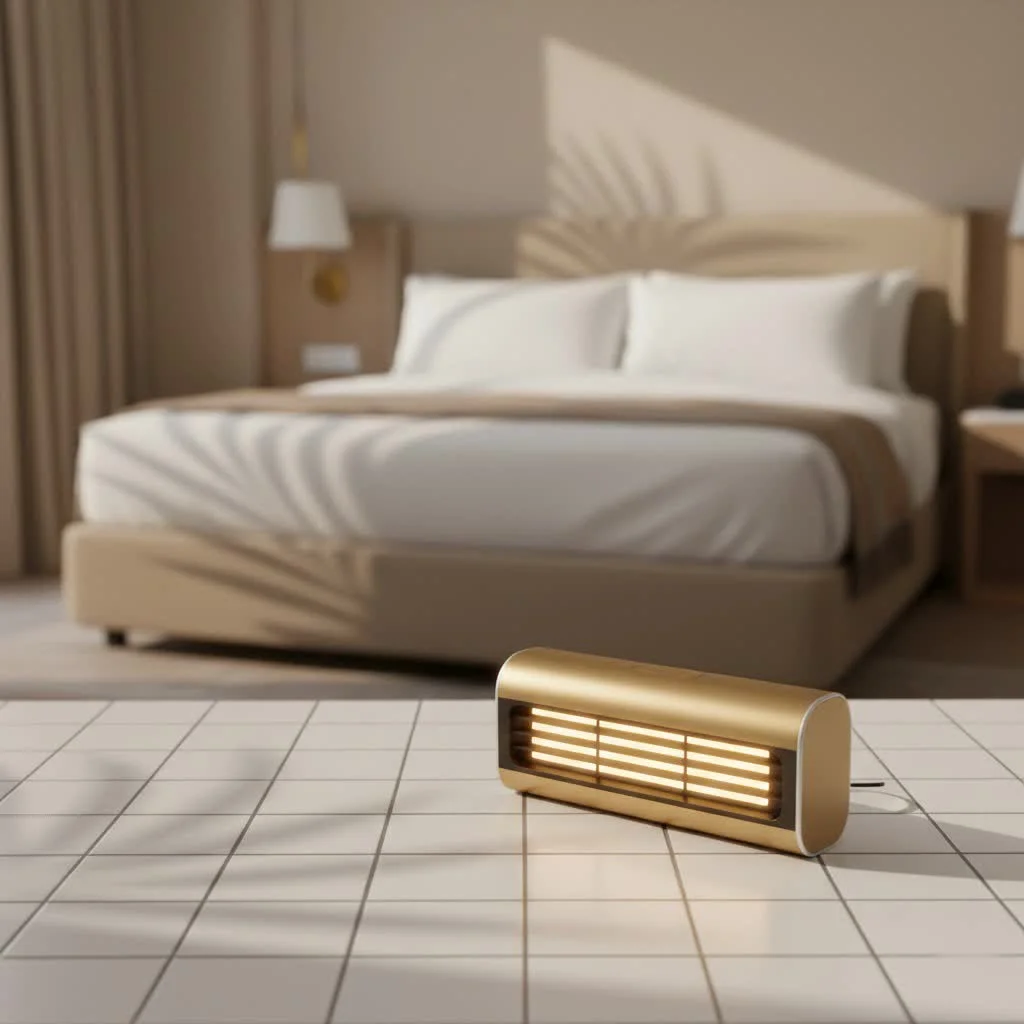 bug zapper attracting insects with UV light” style=”margin: 20px auto;width: 800px;max-width: 100%;height: auto” />
What Exactly is an Electric Fly Bug Zapper? (And How Does It Work?)
An electric fly bug zapper is a marvel of simple yet effective engineering designed to attract and eliminate flying insects. Think of it as a silent guardian, working tirelessly to protect your environment. For explore our bug zapper reviews on this site.
The Brilliant Science Behind the Zap
At its core, an electric fly bug zapper operates on a straightforward principle. Most flying insects, particularly flies, mosquitoes, and moths, are irresistibly drawn to ultraviolet (UV) light. They perceive UV light far better than visible light, using it for navigation and to locate food sources. The zapper harnesses this natural attraction by emitting UV light, luring these unsuspecting pests towards it.
Once an insect flies close enough to the light source, it encounters a high-voltage wire mesh grid. This grid consists of two closely spaced, electrically charged wires. When the insect bridges the tiny gap between these wires, it completes an electrical circuit, resulting in a swift, decisive “zap” as the electric current flows through its body. This instantly vaporizes the insect, eliminating it from your space. The satisfying “ZZZZ” sound you often hear is simply the audible confirmation of effective pest control in action.
Anatomy of an Electric Zapper
A typical electric fly bug zapper comprises a few key components:
- Housing: This is the exterior casing, usually made of durable plastic or electrically grounded metal, often shaped like a lantern, cylinder, or rectangular cube. It protects the internal components and often features a safety grid to prevent accidental contact with the electrified wires.
- Light Bulb(s): These are the heart of the zapper’s attraction system. Most commonly, they are fluorescent UV bulbs (mercury, neon, or specialized black lights) or, in newer models, energy-efficient LED lights, specifically designed to emit the spectrum of light most appealing to insects.
- Wire Grids or Screens: These are the electrified wire meshes that surround the light bulb. They are separated by a small gap, typically a couple of millimeters, designed to be just wide enough for insects to pass through and complete the circuit.
- Transformer: This crucial component steps up the standard household voltage to a much higher voltage (often 2,000 V or more) which is then applied across the wire grids, creating the lethal electric charge.
- Collection Tray: Located at the bottom of the unit, this removable tray catches the remains of zapped insects, making for easy and hygienic disposal.
Why an Electric Fly Bug Zapper is Your Go-To Pest Solution
In my years, I’ve found that few pest control methods offer the combination of efficiency, safety, and versatility that electric fly bug zappers do.
Unmatched Effectiveness
|
Our Picks for the Best Bug Zapper in 2026
As an Amazon Associate I earn from qualifying purchases.
|
||
| Num | Product | Action |
|---|---|---|
| 1 | GOOTOP Bug Zapper Outdoor, Mosquito Zapper, 3 Prong Plug in Electric Fly Zapper, Mosquito Killer, Fly Traps, Flying Insects Zapper Indoor Outdoor 90-130V, 4200V, ABS Plastic Outer (Black) |

|
| 2 | ASPECTEK Insect Killer, Bug Zapper, Powerful 20W Electronic Indoor Fly Zapper, Mosquito Killer-Indoor Use Including Free 2 Pack Replacement Bulbs |
|
| 3 | YISSVIC Bug Zapper Outdoor Indoor Waterproof Electric Mosquito Lamp Fly Zapper Killer Effective 4200V Plug in for Home Patio Office Courtyard (One-Light Control Bug Zapper) |
|
| 4 | AMUFER Bug Zapper Outdoor Indoor, 18W Power & 4400V Instant Grid Mosquito Repellent, Insect Control Efficiency Increased 100%, 1/2 Acre Coverage, Fly Trap for Patio, Backyard, Home |
|
| 5 | DEVOGUE® Electric Fly Swatter Bug Zapper Battery Operated Flies Killer Indoor & Outdoor Pest Control Mosquito Zapper and Insect Catcher Racket |
|
| 6 | BugMD Fruit Fly Trap Indoor for Safer Home, Gnat Traps for House Indoor, Gnat Killer, Plug in Bug Catcher, Fly Trap, Insect Traps, Fruit Fly Killer |
|
| 7 | LiBa Electric Bug Zapper, Indoor Insect Killer - (2) Extra Replacement Bulbs - Fly, Mosquito Killer and Repellent - Lightweight, Powerful 2800V Grid, Easy-to-Clean, with a Removable Washable Tray. |
|
| 8 | Flowtron Bug Zapper, 1 Acre of Outdoor Coverage with Powerful 40W Bulb & 5600V Instant Killing Grid, Electric Insect, Fly & Mosquito Zapper, Made in The USA |
|
| 9 | FVOAI Bug Zapper Outdoor, Mosquito Zapper, Fly Zapper, Insect Zapper Electric Fly Traps for 1/2 Acre, Indoor Outdoor Use with 3 Prong Plug-in,4200V, ABS Plastic Outer, Black |
|
| 10 | Bug Zapper Outdoor, Mosquito Zapper Indoor with Dusk to Dawn Light Sensor, 4000V Electric Fly Zapper, Waterproof Mosquito Killer, Fly Trap for Home, Patio, Kitchen, Garden - 9.8 FT Length Cable |
|
These devices are incredibly effective at reducing populations of common flying insects like flies, mosquitoes (especially with added attractants), and moths. They work continuously, day and night if needed, ensuring a constant line of defense against intruders. A single zapper can eliminate thousands of insects in an evening, dramatically improving the comfort of your environment.
A Chemical-Free Approach
One of the biggest advantages, particularly for families and businesses concerned about health and the environment, is that electric zappers are entirely chemical-free. Unlike sprays, foggers, or diffusers, they don’t release any pesticides or harmful chemicals into the air. This makes them a much safer option for households with children, pets, or individuals with sensitivities.
Versatility for Any Space
Whether you’re battling a few pesky flies in your kitchen, hosting an outdoor barbecue, or managing a commercial food preparation area, there’s an electric fly bug zapper designed for the job. They come in various sizes and power levels, making them suitable for virtually any indoor or outdoor setting.
Navigating the Options: Types of Electric Fly Bug Zappers
Just like tools in a workshop, not all bug zappers are created equal. Choosing the right one depends on your specific needs and environment.
Indoor Electric Fly Zappers
These models are typically more compact, often designed with a more discreet aesthetic to blend into home or office interiors. They prioritize quiet operation and effective elimination of common indoor pests without harsh chemicals. Placement is key, usually away from direct views but in areas where flies congregate.
Outdoor & Commercial Powerhouses
For patios, backyards, restaurants, or larger commercial spaces, outdoor and commercial zappers are built to handle higher insect volumes and tougher environmental conditions. They often feature weather-resistant construction (stainless steel or durable plastic) and larger coverage areas. Some advanced outdoor models also incorporate additional attractants, like octenol cartridges, to specifically target mosquitoes, which are not always as strongly drawn to UV light alone.
Portable and Handheld Zappers
When you need a quick, targeted solution, portable or handheld electric fly swatters come in handy. These are perfect for camping trips, picnics, or simply eliminating that one persistent fly that managed to sneak indoors. They offer manual control for spot treatments, giving you the power to “zap” on demand.
“In my experience, the effectiveness of an electric fly bug zapper goes beyond just the ‘zap’. It’s about strategic placement and understanding insect behavior. A zapper is a proactive defense, not just a reactive response.” – Dr. Anya Sharma, Entomologist and Pest Control Innovator at JRDiy Labs.
Choosing Your Perfect Electric Fly Bug Zapper: A JRDiy Checklist
Selecting the right electric fly bug zapper is crucial for effective pest control. With so many options available, here’s a checklist from JRDiy to guide your decision-making.
Understanding Coverage Area
Every electric fly killer has a rated coverage area, usually in square meters or feet. This is the maximum area the device can effectively protect.
- Match Your Space: For bedrooms or small kitchens, a compact zapper covering 500-1,000 square feet might suffice. For large patios or extensive backyards, heavy-duty models covering up to 1-1.5 acres are necessary. Always consider the actual area you need to protect.
- Placement Impact: placing a zapper against a wall can effectively halve its coverage. For maximum efficiency, aim for central placement.
Power Source & Efficiency
Consider how you want to power your device and its energy consumption.
- Corded Models: Best for continuous, stationary use, offering consistent power.
- Battery-Operated/Rechargeable: Provide portability and flexibility, but have runtime limitations.
- Solar-Powered: Excellent for outdoor, off-grid locations, but dependent on sunlight for charging.
- Energy Efficiency: Modern zappers, especially those utilizing LED light technology, consume less power while still delivering effective results and often boast longer product lifespans.
Crucial Safety Features
Safety should always be a top priority, especially if you have children or pets.
- Protective Grids: Look for models with an exterior protective grid that prevents small fingers or curious paws from accidentally touching the electrified internal wires.
- Automatic Disablement: Advanced zappers may include safety features that automatically shut off the device if the housing is tampered with or opened.
Design, Durability, and Placement Considerations
- Material: For outdoor use, opt for models constructed from robust materials like stainless steel or durable, weather-resistant plastic to ensure longevity in varying climate conditions.
- Ease of Cleaning: Choose zappers with easily removable collection trays and accessible grids for straightforward cleaning. This is vital for maintaining optimal performance.
- Noise Level: While the “zap” is part of the experience, some units can be quite loud. Consider quieter models for indoor use.
Installation & Safe Operation: Setting Up for Success
Even the best electric fly bug zapper won’t perform optimally if not installed and operated correctly. Here’s my professional advice for getting it right.
Strategic Placement for Maximum Impact
Location, location, location – it’s just as vital for your bug zapper as it is for real estate!
- Optimal Height: Position your zapper at an average flying height for insects, typically between 5 to 8 feet (1.5-2.5 meters) off the ground. This maximizes its attraction range.
- Away from Competition: The UV light is the primary attractant. Avoid placing the unit near competing light sources, such as bright outdoor lights, windows, or even mirrors that face outside, as these can diminish the zapper’s effectiveness by distracting insects.
- No Food Zones: Absolutely never place your electric fly bug zapper directly above food preparation areas or dining tables. The “blow out” from zapped insects can scatter debris, posing a hygiene risk.
- Near Activity, Not Too Close: While you want it near where bugs congregate (e.g., garbage bins, entryways), don’t place it too close to where people are sitting. You want to draw bugs away from you, not attract them to your immediate vicinity. Ideally, 20-30 feet away from human activity.
- Avoid Drafts: Strong airflow can disrupt insect flight patterns, making the zapper less effective.
Powering Up Safely
- Working Outlet: Always plug your zapper into a properly functioning electrical outlet. Test the outlet with another device if you suspect an issue.
- Extension Cords: If you must use an extension cord, ensure it’s rated for outdoor use (if applicable) and of good quality. Long or low-quality cords can affect voltage and prevent your zapper from turning on or operating efficiently.
- Check Switches: Double-check that all power switches on the zapper itself are in the “ON” position.
Essential Safety Precautions
Your safety, and the safety of those around you, is paramount.
- Always Disconnect: Before performing any cleaning or maintenance, always power off and unplug the electric fly bug zapper from its power source. Wait at least two minutes for the electrical load to fully discharge to prevent accidental shocks.
- Wear Gloves: When handling the internal components or cleaning the grid, it’s best to wear protective gloves.
- Read the Manual: Each model may have specific guidelines. Always consult your manufacturer’s instructions for safe handling and operation.
Keeping It Zapping: Maintenance Tips for Longevity
Regular care is the secret to a long-lasting and effective electric fly bug zapper. Don’t just set it and forget it!
Regular Cleaning is Key
Dead insects, dust, and debris can quickly accumulate on the electrified grid and collection tray, reducing the zapper’s efficiency and even posing a fire hazard.
- Empty Collection Tray: Regularly empty the collection tray, especially during peak insect season. Dispose of the contents in a sealed bag. Wash the tray with mild soap and warm water, rinse thoroughly, and allow it to dry completely.
- Clean the Grid: After safely unplugging and discharging the unit, use a soft-bristle brush (like a stiff paint brush or a specialized zapper brush) to gently brush off any visible debris from the electrical grid. For smaller, hard-to-reach particles, a handheld vacuum cleaner with a brush attachment can be very effective.
- Wipe Down: Dampen a soft cloth (ensure it’s only slightly damp, not dripping wet) with a mild detergent solution and wipe down the electrical grid and housing. Allow the grid to air dry completely before reassembling and reconnecting to power. Never hose down the unit with water, as this can damage electrical components.
- Clean UV Bulbs: Gently wipe the UV bulbs with a soft, damp cloth to remove dust or insect residue, which can diminish their light output. Avoid abrasive materials.
The Importance of Bulb Replacement
The UV bulbs are critical for attracting insects, but their effectiveness diminishes over time, even if they still appear to be lit.
- Schedule: Most manufacturers recommend replacing UV bulbs every 6 to 12 months, or after 8,000 to 10,000 hours of use, regardless of whether they’ve “burnt out.” This ensures optimal insect attraction.
- Correct Bulbs: Always replace bulbs with the correct wattage and size specified by the manufacturer. Using incorrect bulbs can reduce efficiency or damage the unit.
General Care and Storage
- Regular Inspections: Periodically check your zapper for any signs of damage, loose connections, or wear and tear.
- Clean Surrounding Areas: Keep the areas around your zapper clean to prevent debris buildup and minimize other insect attractants.
- Off-Season Storage: When not in use for extended periods, clean the zapper thoroughly, remove the bulbs, and store it in a dry, protected area.
Troubleshooting Common Electric Fly Bug Zapper Issues
Even with the best maintenance, sometimes your trusty electric fly bug zapper might act up. Here are common problems and how to tackle them.
“My Zapper Isn’t Turning On!”
This is frustrating, but often an easy fix:
- Check Power Source: Is the zapper securely plugged into a working outlet? Try another outlet to rule out a faulty receptacle.
- Power Switch: Ensure the zapper’s power switch is in the “ON” position. Some models have discreet switches.
- Extension Cords: If using an extension cord, check for damage or if it’s overloaded. Low-quality cords can restrict power flow.
- Circuit Breaker: In older homes, a tripped circuit breaker can be the culprit. Check your electrical panel.
- Internal Fuse: Some units have an internal fuse. If everything else checks out, consult the manual for fuse location and replacement instructions (always unplug first!).
“It’s On, But Not Zapping Bugs!”
The light is on, but no action? Here’s what to investigate:
- Dirty or Clogged Grid: This is the most common reason. An accumulation of dead insects, dust, or pollen on the grid can create a barrier, preventing electrical contact. A clean grid is a happy, effective grid!
- Diminished UV Bulb: As discussed, UV bulbs lose their insect-attracting power over time, even if they’re still emitting light. If the bulb looks blackened or dim, it’s time for a replacement.
- Competing Light Sources: The zapper might be battling against brighter, more attractive lights nearby, diverting insects away. Review your placement.
- Improper Placement: If the zapper is too far from insect activity or obstructed, bugs won’t find their way to it.
- Voltage Issues: Insufficient voltage (perhaps due to a faulty power cord or outlet) can lead to a weaker zap that doesn’t effectively kill insects.
“Why is the Bulb So Dim?”
A dim bulb is an underperforming zapper:
- Old Bulb: Most likely, the UV bulb has reached the end of its effective lifespan and needs to be replaced.
- Faulty Wiring: Less common, but internal wiring issues could affect the bulb’s power supply. If a new bulb doesn’t fix it, professional inspection might be needed.
Troubleshooting Steps for an Underperforming Zapper:
- Unplug and Safely Discharge: Always the first step!
- Inspect and Clean: Thoroughly clean the collection tray and electrified grid. Use a soft brush and consider a small vacuum for stubborn debris.
- Check the Bulb: If the bulb is old, dim, or blackened, replace it with a new, manufacturer-recommended UV bulb.
- Review Placement: Re-evaluate the zapper’s location based on the tips above. Move it to a darker, more strategic spot if necessary.
- Check Connections: Ensure all internal components (if accessible and safe to inspect) are securely connected.
Frequently Asked Questions
How often should I clean my electric bug zapper?
During peak bug season, you should empty and clean the collection tray weekly. The electrified grid should be brushed and wiped down every few weeks, or more frequently if you notice a significant buildup of insect remains.
Do electric bug zappers attract beneficial insects like bees?
Yes, general-purpose bug zappers use UV light, which can attract a wide range of flying insects, including some beneficial ones like bees and moths. To minimize this, operate your zapper primarily at dusk and during the night when beneficial pollinators are less active, and consider placing it away from flowering gardens.
How long do bug zapper bulbs last?
Most UV bulbs in electric bug zappers have an effective lifespan of 6 to 12 months, or approximately 8,000 to 10,000 hours of use. Even if they still light up, their UV output, which attracts insects, diminishes significantly after this period, making replacement essential for optimal performance.
Where is the best place to put an outdoor electric bug zapper?
For best results outdoors, place the zapper about 20-30 feet away from your main activity area (like a patio or dining space) to draw bugs away. Mount it at a height of 5-8 feet, away from competing light sources, and ensure it’s protected from heavy rain.
Can I leave my electric bug zapper on all the time?
While most modern electric bug zappers are designed for continuous operation, it’s often most effective and energy-efficient to run them during times of peak insect activity, suchs as from dusk through dawn. For indoor units, you might choose to run them only when needed, like during meal prep or when windows are open.
The Final Word: Take Back Your Space
An electric fly bug zapper is an incredibly effective and chemical-free way to reclaim your indoor and outdoor spaces from annoying flying insects. By understanding how these devices work, choosing the right model for your needs, and committing to proper placement and regular maintenance, you’ll be well on your way to enjoying a more comfortable, insect-free environment. At JRDiy, our mission is to empower you with the knowledge to make smart choices for your home and health. So, go ahead, make an informed decision, invest in a quality electric fly bug zapper, and experience the satisfying zap of effective pest control!
Frequently Asked Questions
How often should I clean my electric bug zapper for optimal performance?
During peak insect season, you should empty and clean the collection tray of your electric bug zapper weekly. The electrified grid should be brushed and wiped down every few weeks, or more frequently if you observe a significant buildup of insect remains, to maintain efficiency.
Do electric bug zappers attract beneficial insects like bees and moths?
Yes, general-purpose electric bug zappers use UV light, which can attract a wide range of flying insects, including some beneficial ones like bees and moths. To minimize this, operate your zapper primarily at dusk and during the night when beneficial pollinators are less active, and consider placing it away from flowering gardens.
What is the typical lifespan of UV bulbs in bug zappers?
Most UV bulbs in electric bug zappers have an effective lifespan of 6 to 12 months, or approximately 8,000 to 10,000 hours of use. Even if they still light up, their UV output, which is crucial for attracting insects, diminishes significantly after this period, making replacement essential for optimal performance.
What is the best placement for an outdoor electric bug zapper?
For best results outdoors, place the zapper about 20-30 feet away from your main activity area, such as a patio or dining space, to draw bugs away. Mount it at a height of 5-8 feet off the ground, away from competing light sources, and ensure it is protected from heavy rain to prevent damage.
Is it safe to leave an electric bug zapper on continuously?
While most modern electric bug zappers are designed for continuous operation, it is often most effective and energy-efficient to run them during times of peak insect activity, such as from dusk through dawn. For indoor units, you might choose to run them only when needed, like during meal preparation or when windows are open, to conserve energy.
Get our weekly buyer guide
Practical specs, not advice. Unsubscribe anytime.

I’ve tried a few different pest control methods, but nothing beats the simplicity and effectiveness of this bug zapper. It’s amazing how many insects it eliminates in just one evening, especially those annoying mosquitoes. Placement really is key, as mentioned, and once you find the right spot, it just works. Highly recommend for anyone wanting to reclaim their outdoor space.
We live near a lake, so flies and gnats are a constant battle. This electric zapper has made a noticeable difference in our backyard. I appreciate that it’s chemical-free, which is important since we have pets and kids playing outside. It’s pretty quiet too, just an occasional zap. Good value for the price range.
The UV light on this zapper definitely attracts moths and flies, and it does a decent job of reducing them. My main complaint is that the cleaning process is a bit more involved than I expected. The dead bugs get stuck in the grid sometimes, and it takes a little effort to brush them out. It’s effective, but maintenance could be easier.
I was skeptical about how well an electric fly bug zapper would actually work, but this thing is a game-changer! We used to have so many mosquitoes on our patio, especially in the evenings. After setting this up, the difference is night and day. It’s really satisfying to hear that zap, knowing another pest is gone. Definitely recommend for anyone dealing with flying insects.