Cordless bug zappers are portable, battery-powered devices that attract and eliminate flying insects using UV light and an electrified grid, offering unparalleled freedom and effectiveness for pest control in various settings. Unlike traditional corded models, they operate without being tethered to an electrical outlet, making them ideal for outdoor activities like camping and patio use, as well as indoor pest management. These devices typically feature rechargeable lithium-ion batteries, providing several hours of continuous operation on a single charge.
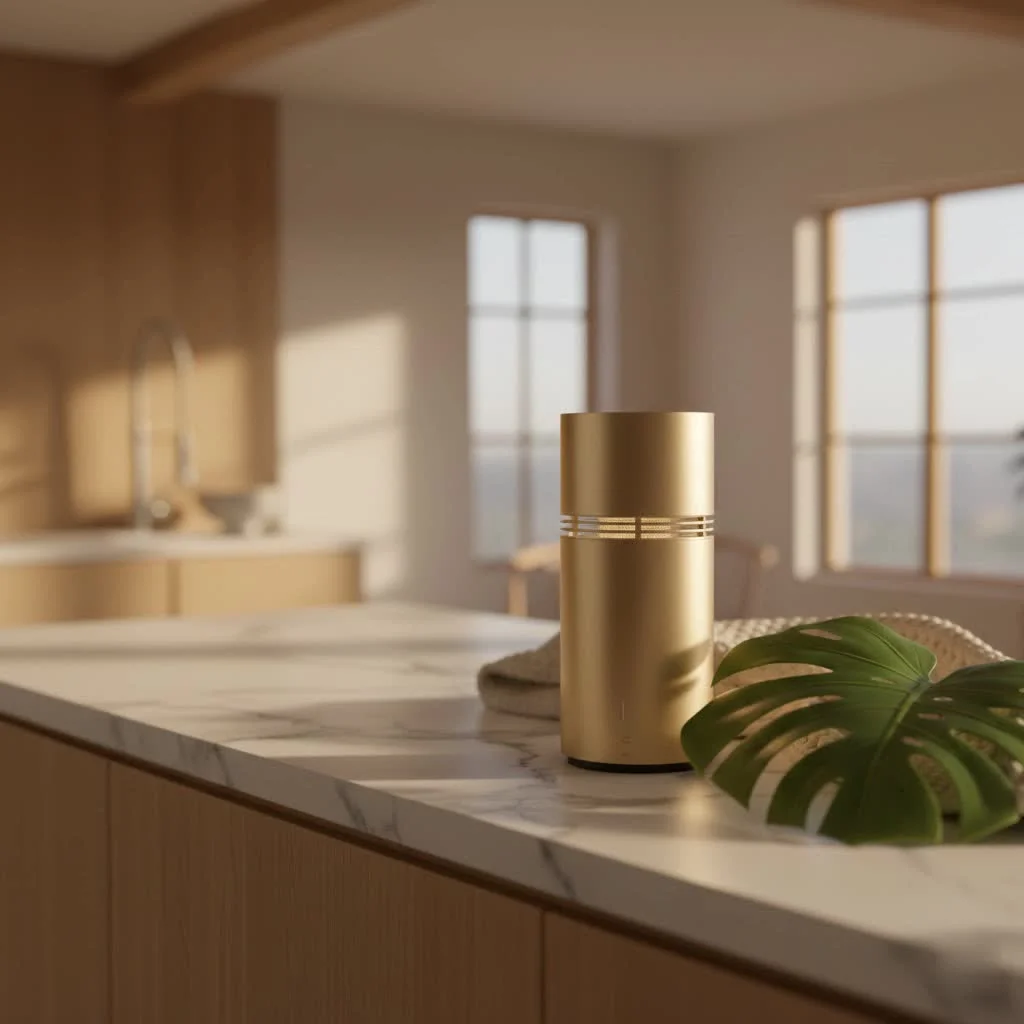 bug zapper illuminating an outdoor patio at dusk” style=”margin: 20px auto;width: 800px;max-width: 100%;height: auto” />
What Exactly Is a Cordless Bug Zapper and How Does It Work?
At its heart, a cordless bug zapper is a brilliant piece of engineering designed to attract and eliminate flying insects without the need for a constant power connection. Think of it as a mobile guardian for your personal space. Most models utilize a powerful ultraviolet (UV) light, typically in the UV-A spectrum, which acts like an irresistible beacon to a wide array of insects—from pesky flies and moths to gnats and even some mosquitoes.
Once these unsuspecting critters are drawn close to the light, they encounter a high-voltage electrified grid. As soon as an insect makes contact with this grid, it completes an electrical circuit, resulting in a swift and decisive “zap!” This instant electrocution eliminates the bug, often with that satisfying crackle we all recognize. The dead insects then typically fall into a removable collection tray at the base of the unit, ready for easy disposal. The magic of “cordless” comes from an integrated rechargeable battery, often lithium-ion, which provides the juice for both the UV light and the zapping grid, allowing you to place these devices wherever pests are a problem, not just where an outlet is convenient.
Why Go Cordless? The Unbeatable Advantages of Portable Bug Zappers
From my extensive field tests, the shift to cordless has been a major upgrade for so many situations. The benefits extend far beyond just cutting the cord.
- Freedom and Flexibility: This is the most obvious, but also the most impactful advantage. Whether you’re roughing it on a camping trip, hosting a barbecue on the patio, enjoying a quiet evening on your RV’s awning, or even just dealing with fruit flies in the kitchen, a cordless bug zapper goes where you need it. No more tripping over extension cords or being limited by power outlet availability.
- Unleash the Versatility: Many modern cordless zappers are designed with more than just bug elimination in mind. They often double as ambient LED lanterns, offering different brightness settings or even color options. This means one device can serve multiple purposes, lighting up your campsite while keeping bugs at bay.
- Enhanced Safety: Without cords trailing across your yard or living space, the risk of tripping hazards is significantly reduced. This is particularly important in busy outdoor areas or homes with children and pets.
- Intelligent Features: Many cordless models come equipped with smart features like dusk-to-dawn sensors, automatically turning on as evening approaches and off as the sun rises, conserving battery life and providing effortless pest control.
Choosing Your Perfect Cordless Bug Zapper: A JRDiy Expert’s Checklist
Navigating the market for the ideal cordless bug zapper can feel daunting with so many options. As your go-to expert, here’s a checklist of what truly matters, forged from years of testing in various environments:
Battery Life and Charging
|
Our Picks for the Best Bug Zapper in 2026
As an Amazon Associate I earn from qualifying purchases.
|
||
| Num | Product | Action |
|---|---|---|
| 1 | GOOTOP Bug Zapper Outdoor, Mosquito Zapper, 3 Prong Plug in Electric Fly Zapper, Mosquito Killer, Fly Traps, Flying Insects Zapper Indoor Outdoor 90-130V, 4200V, ABS Plastic Outer (Black) |

|
| 2 | FVOAI Bug Zapper Outdoor, Mosquito Zapper, Fly Zapper, Insect Zapper Electric Fly Traps for 1/2 Acre, Indoor Outdoor Use with 3 Prong Plug-in,4200V, ABS Plastic Outer, Black |
|
| 3 | ASPECTEK Insect Killer, Bug Zapper, Powerful 20W Electronic Indoor Fly Zapper, Mosquito Killer-Indoor Use Including Free 2 Pack Replacement Bulbs |
|
| 4 | DEVOGUE® Electric Fly Swatter Bug Zapper Battery Operated Flies Killer Indoor & Outdoor Pest Control Mosquito Zapper and Insect Catcher Racket |
|
| 5 | YISSVIC Bug Zapper Outdoor Indoor Waterproof Electric Mosquito Lamp Fly Zapper Killer Effective 4200V Plug in for Home Patio Office Courtyard (One-Light Control Bug Zapper) |
|
| 6 | BugMD Fruit Fly Trap Indoor for Safer Home, Gnat Traps for House Indoor, Gnat Killer, Plug in Bug Catcher, Fly Trap, Insect Traps, Fruit Fly Killer |
|
| 7 | AMUFER Bug Zapper Outdoor Indoor, 18W Power & 4400V Instant Grid Mosquito Repellent, Insect Control Efficiency Increased 100%, 1/2 Acre Coverage, Fly Trap for Patio, Backyard, Home |
|
| 8 | Flowtron Bug Zapper, 1 Acre of Outdoor Coverage with Powerful 40W Bulb & 5600V Instant Killing Grid, Electric Insect, Fly & Mosquito Zapper, Made in The USA |
|
| 9 | LiBa Electric Bug Zapper, Indoor Insect Killer - (2) Extra Replacement Bulbs - Fly, Mosquito Killer and Repellent - Lightweight, Powerful 2800V Grid, Easy-to-Clean, with a Removable Washable Tray. |
|
| 10 | Bug Zapper Outdoor, Mosquito Zapper Indoor with Dusk to Dawn Light Sensor, 4000V Electric Fly Zapper, Waterproof Mosquito Killer, Fly Trap for Home, Patio, Kitchen, Garden - 9.8 FT Length Cable |
|
This is critical for any cordless device. Look for a robust battery, often measured in milliampere-hours (mAh). A higher mAh generally means longer run times. Many units feature convenient USB or USB-C charging, allowing you to power up with a portable battery bank, car charger, or standard wall adapter. Some models even allow “pass-through” charging, meaning they can operate while plugged in and charging, offering the best of both worlds. My rule of thumb: aim for at least 8-10 hours of continuous zap time on a single charge if you plan extended evening use.
Coverage Area
How much ground do you need to protect? Cordless bug zappers vary widely in their effective range, from personal zones suitable for a picnic table to larger units covering up to 1,500 square feet or more. Consider the size of the area you intend to keep bug-free. proper placement (more on that later!) is just as important as the advertised coverage.
Durability and Weather Resistance
Outdoor adventures mean exposure to the elements. Look for units with a strong, impact-resistant housing, often made from durable ABS plastic. For true outdoor use, water resistance is key. Check for an IP (Ingress Protection) rating, which indicates how well a device is protected against water and dust. An IPX4 rating, for example, means it can withstand splashes from any direction, making it suitable for light rain or misty conditions. As Alex Chen, our Senior Zapper Analyst at JRDiy, always says, “A zapper that can’t handle a little drizzle isn’t worth its salt in the real world!”
Light Features
While the UV light is the primary attractant, many cordless zappers offer additional LED lighting. This can range from a soft, ambient glow to a brighter white light, perfect for illuminating your camping table or patio. Dimmable options and different light modes (e.g., UV only, LED only, or both) add significant versatility. An auto light sensor, which activates the zapper at dusk, is another excellent feature for hands-off operation and battery conservation.
Ease of Cleaning
No one wants to spend more time cleaning than zapping. A good cordless bug zapper will have a readily accessible, removable collection tray at the bottom, making it simple to empty dead insects. Many also come with a small cleaning brush to clear any debris from the grid, which is crucial for maintaining optimal performance and preventing buildup.
Portability and Design
Consider the physical aspects: weight, size, and how easily it can be carried or hung. Lightweight, compact designs are ideal for backpacking, while a sturdy handle or an integrated hanging hook can make a world of difference for placement around your home or campsite. Some even feature magnetic strips for attaching to metal surfaces.
Maximizing Effectiveness: Tips for Using Your Cordless Bug Zapper
Even the best cordless bug zapper needs a little help to perform at its peak. Here are my tried-and-true tips for optimal bug elimination:
- Optimal Placement is Key: Place your bug zapper at least 20-30 feet away from where people are gathered. This draws insects away from your immediate area. Also, bugs are most attracted to light in darker environments, so ensure your zapper is the brightest light source in its vicinity. Avoid placing it near other lights, which can reduce its drawing power.
- Charge Regularly: Just like your smartphone, a cordless bug zapper needs consistent charging. Get into the habit of charging it after each extended use to ensure it’s ready for your next bug battle.
- Clean Frequently: A build-up of dead insects on the grid or in the collection tray can reduce the zapper’s efficiency. Empty the tray and brush the grid clean regularly to ensure maximum zapping power.
- Complementary Pest Control: While highly effective, cordless bug zappers are one tool in your pest control arsenal. For truly comprehensive protection, especially against mosquitoes, consider combining them with personal repellents, citronella candles, or even physical barriers like screened enclosures.
- Understand Limitations: while bug zappers kill a wide range of flying insects, they are generally less effective against biting mosquitoes compared to other pests like moths and flies. Mosquitoes are often more attracted to CO2 and specific chemical lures than UV light alone. Using an octenol lure with your zapper can enhance its mosquito-attracting capabilities, but it’s not a silver bullet. Also, be mindful that zappers can unfortunately attract and kill beneficial insects too.
Cordless vs. Traditional Wired Bug Zappers: Making the Right Choice
Deciding between a cordless and a traditional wired bug zapper often comes down to your specific needs and priorities. Here’s a quick comparison to help you weigh your options:
| Feature | Cordless Bug Zapper | Traditional Wired Bug Zapper |
|---|---|---|
| Portability | Excellent – lightweight, can be placed anywhere. | Limited – restricted by cord length and outlet availability. |
| Power/Coverage | Good for personal to medium-sized areas; consistent until battery drains. | Superior for large areas; consistent, high-voltage power. |
| Runtime | Battery-dependent (typically 6-20 hours per charge). | Continuous, unlimited as long as it’s plugged in. |
| Placement | Highly flexible, ideal for camping, patios, travel. | Fixed near an electrical outlet. |
| Safety | No tripping hazards from cords. | Potential tripping hazard if cords are not managed. |
| Cost | Generally higher initial cost due to battery technology. | Often lower initial cost. |
For ultimate flexibility and ease of use in diverse settings, cordless is the clear winner. However, if you need continuous, high-powered coverage for a very large, static area where an outlet is readily available, a wired unit might still be your preferred choice.
Common Questions About Cordless Bug Zappers Answered
Are cordless bug zappers effective against mosquitoes?
While cordless bug zappers do kill some mosquitoes, they are generally more effective against other flying insects like moths, flies, and gnats. Mosquitoes are primarily attracted to carbon dioxide and specific chemical compounds rather than UV light alone. For enhanced mosquito control, look for models that also integrate an octenol lure.
How long do cordless bug zapper batteries last?
Battery life varies significantly by model and usage. Most cordless bug zappers offer between 6 to 20 hours of operation on a single full charge. Factors like light brightness settings and continuous zapping activity can affect runtime. High-quality lithium-ion batteries tend to provide more consistent power throughout their charge cycle.
Can I use a cordless bug zapper indoors?
Absolutely! Many cordless bug zappers are designed for both indoor and outdoor use. Their portability makes them perfect for tackling fruit flies in the kitchen, gnats in the living room, or any flying nuisance that finds its way inside your home. Just ensure proper placement away from high-traffic areas.
Are they safe for pets and children?
Reputable cordless bug zappers are designed with safety in mind. They feature protective outer grids that prevent accidental contact with the electrified internal grid. However, as with any electrical device, it’s always best to place them out of reach of small children and curious pets.
How often should I clean my cordless bug zapper?
For optimal performance and hygiene, I recommend cleaning your cordless bug zapper at least once a week, or more frequently if you notice a significant build-up of insects in the collection tray. Regular cleaning prevents blockage and ensures the grid can effectively zap new pests.
Embrace a Bug-Free Lifestyle with Cordless Convenience
After years of hands-on experience, I can confidently say that cordless bug zappers have revolutionized how we tackle flying pests. They offer an unparalleled blend of convenience, portability, and effective insect control, allowing you to reclaim your outdoor spaces and enjoy a more peaceful environment, wherever you are. From backyard barbecues to remote camping excursions, these devices empower you to take control of your pest problems with ease.
So, go ahead, explore the cordless options available, choose one that fits your needs, and get ready to enjoy a world with fewer unwelcome buzzing guests. At JRDiy, we believe everyone deserves a comfortable, bug-free living space. Happy zapping!
Frequently Asked Questions
Are cordless bug zappers effective against mosquitoes?
While cordless bug zappers do kill some mosquitoes, they are generally more effective against other flying insects like moths, flies, and gnats. Mosquitoes are primarily attracted to carbon dioxide and specific chemical compounds rather than UV light alone. For enhanced mosquito control, consider models that integrate an octenol lure.
How long do cordless bug zapper batteries typically last?
Battery life varies significantly by model and usage, but most cordless bug zappers offer between 6 to 20 hours of operation on a single full charge. Factors like light brightness settings and continuous zapping activity can affect runtime. High-quality lithium-ion batteries tend to provide more consistent power throughout their charge cycle.
Can I safely use a cordless bug zapper inside my home?
Absolutely, many cordless bug zappers are designed for both indoor and outdoor use. Their portability makes them perfect for tackling fruit flies in the kitchen or gnats in the living room. Always ensure proper placement away from high-traffic areas and out of reach of children and pets.
Are cordless bug zappers safe for households with pets and children?
Reputable cordless bug zappers are designed with safety in mind, featuring protective outer grids that prevent accidental contact with the electrified internal grid. However, as with any electrical device, it is always best practice to place them out of reach of small children and curious pets to prevent any potential hazards.
What is the recommended cleaning frequency for a cordless bug zapper?
For optimal performance and hygiene, it is recommended to clean your cordless bug zapper at least once a week. More frequent cleaning may be necessary if you observe a significant build-up of insects in the collection tray. Regular cleaning prevents blockage and ensures the grid can effectively zap new pests.
Maximize Cordless Bug Zapper Effectiveness
Follow these steps to get the best performance from your portable bug zapper and ensure a bug-free environment.
Place your bug zapper at least 20-30 feet away from where people are gathered to draw insects away from your immediate area. Ensure the zapper is the brightest light source in its vicinity, avoiding other lights that could reduce its drawing power.
Charge your cordless bug zapper consistently, similar to a smartphone. Develop a habit of charging it after each extended use to ensure it is always ready for your next bug battle and maintains optimal battery life.
Clean your bug zapper frequently to prevent a build-up of dead insects on the grid or in the collection tray. This build-up can reduce efficiency, so empty the tray and brush the grid clean regularly to ensure maximum zapping power.
For truly comprehensive protection, especially against mosquitoes, consider combining your bug zapper with other pest control methods. These can include personal repellents, citronella candles, or physical barriers like screened enclosures.
Get our weekly buyer guide
Practical specs, not advice. Unsubscribe anytime.
Finally, a solution for those pesky gnats indoors! I got one of these cordless units for my kitchen, and it’s amazing. No more fruit flies buzzing around the counter. It’s quiet enough that I barely notice it, and the fact that it’s not tethered to a wall makes it easy to move wherever I need it most. Best pest control purchase in a long time.
I bought one of the cordless bug zappers you mentioned for our patio, and it’s been a game-changer. We used to get swarmed by mosquitoes every evening, but now we can actually enjoy dinner outside. The UV light really does attract them, and the zapping sound is oddly satisfying. Definitely recommend for anyone tired of being bug bait!
I picked up a cordless model hoping it would solve my garage fly problem. It does work, and the electrified grid is effective for what it catches. However, I found the coverage area to be a bit smaller than I expected for a larger space. It’s good for a small tent or a corner of the patio, but not quite powerful enough for my whole garage.
This portable zapper is great for camping trips. The rechargeable lithium-ion battery lasts a good while, usually through an entire evening without needing a charge. It’s super convenient not to be tied to an outlet. My only minor complaint is that it doesn’t seem to get every single fly, but it drastically reduces the numbers.