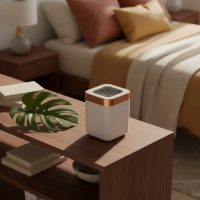
There’s nothing quite like stepping into your backyard on a warm evening, ready to relax and soak in the tranquility. But then, buzz—a tiny, unwelcome intruder ruins the moment, followed by an itchy reminder of its presence. Sound familiar? If you’re yearning for a bug-free outdoor haven without the hassle of cords or the worry of chemicals, it’s time to explore the world of the best solar powered bug zapper. Here at JRDiy, with over 15 years in the trenches battling all sorts of pests, we’re here to guide you to the perfect, eco-friendly solution to reclaim your outdoor space.
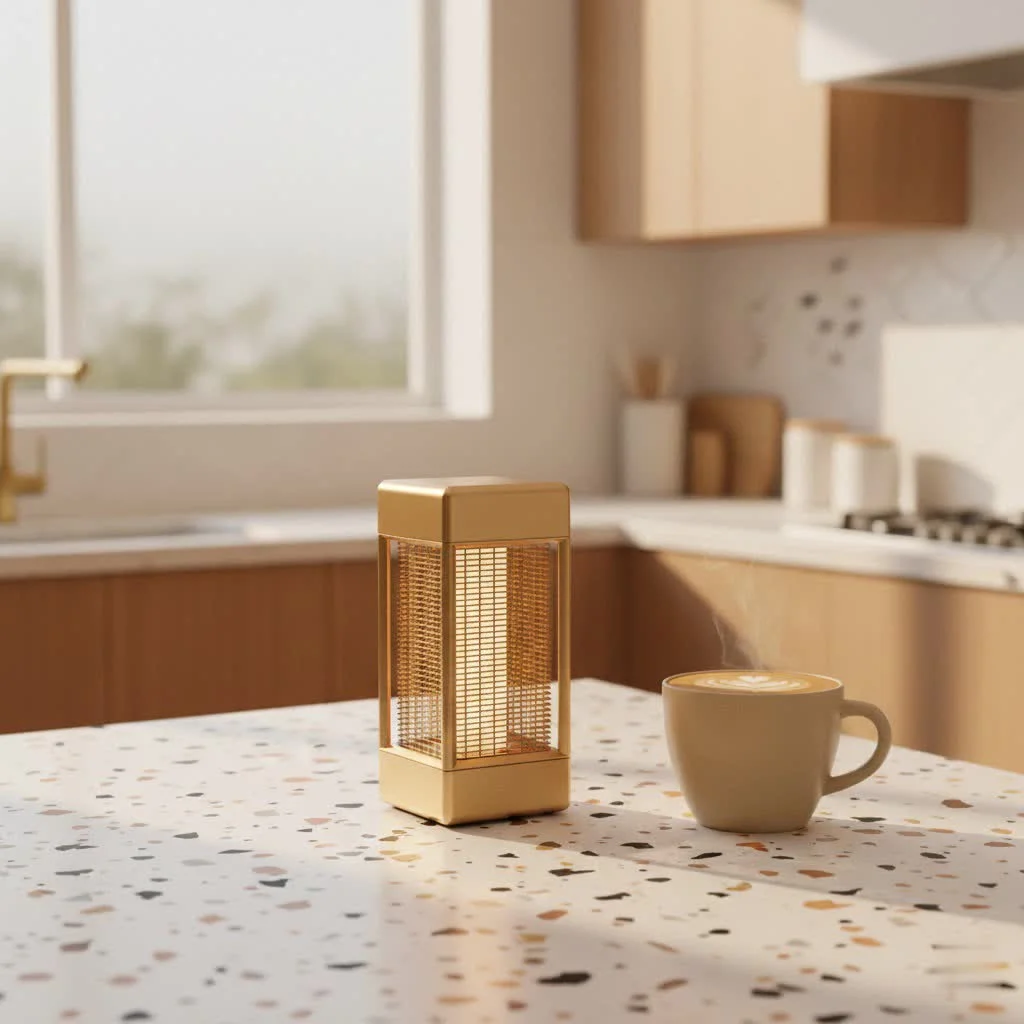
How Does a Solar Powered Bug Zapper Actually Work?
At its core, a solar powered bug zapper is a marvel of simple, sustainable engineering. Picture this: during the day, a discreet solar panel soaks up sunlight, diligently converting it into electricity. This energy isn’t used immediately but is smartly stored in a rechargeable battery nestled within the unit.
As dusk settles and those unwelcome flying insects begin their nightly patrol, the zapper springs to life. Its integrated UV or LED lights emit a captivating glow, a beacon that effortlessly attracts various pests, from buzzing moths and annoying flies to persistent mosquitoes. Once these curious insects get close enough, they make contact with an electrified grid, resulting in a swift, satisfying zap. The beauty of this system? It operates entirely off-grid, running solely on the sun’s power, making it a truly self-sufficient guardian of your evenings.
Why Choose a Solar Powered Bug Zapper? The Bright Side of Bug Control
When it comes to keeping your outdoor areas free from pests, solar powered bug zappers offer a compelling array of benefits that traditional methods often can’t match.
- Eco-Friendly and Chemical-Free: In today’s world, minimizing our environmental footprint is more important than ever. Solar bug zappers provide a completely chemical-free pest control solution. There are no sprays, no harmful residues, and no environmental contaminants, just clean, green energy doing the work. This means a safer environment for your family, pets, and the beneficial insects you do want around, like pollinators.
- Cost-Effective and Energy Independent: Say goodbye to endless battery purchases or a rising electricity bill! Once you invest in a quality solar powered bug zapper, the sun takes care of the rest. It charges itself daily, offering you ongoing, free pest control. This independence from electrical outlets also grants you unparalleled flexibility in placement.
- Flexible Placement and Portability: Imagine placing your bug zapper exactly where you need it most—by the patio, near the garden, or at your campsite—without wrestling with extension cords or hunting for outlets. Solar models can be staked into the ground, hung from a hook, or even placed on a tabletop. Many are lightweight and designed for easy transport, making them perfect companions for camping trips or outdoor gatherings.
- Dual Functionality (Light + Zapper): Many modern solar bug zappers come with an added bonus: they double as attractive outdoor lighting. Whether it’s a subtle ambient glow for your garden path or a decorative, flickering flame effect that mimics a tiki torch, these devices can enhance your outdoor aesthetics while simultaneously keeping bugs at bay.
- Convenience of Automatic Operation: Most solar powered bug zappers feature intelligent light sensors. This means they automatically power on as darkness falls and switch off at dawn, saving you the trouble of remembering to turn them on and off. It’s effortless pest control that works precisely when you need it.
As Dr. Amelia Thorne, our lead entomologist and DIY pest control specialist at JRDiy, often remarks, “Solar bug zappers represent a smart evolution in outdoor pest control. They blend seamlessly with a sustainable lifestyle, offering peace of mind along with practical, localized insect management.”
Are Solar Bug Zappers Effective? Separating Fact from Fiction
This is a question we hear all the time: do solar bug zappers really work? The answer is a resounding “yes,” but with a few important nuances.
Solar bug zappers are remarkably effective at attracting and eliminating a wide range of flying insects, especially moths and many species of flies. You’ll often be surprised by the sheer number of pests collected in the tray after a single night. However, when it comes to mosquitoes, it’s a slightly more complex story. Mosquitoes are primarily drawn to carbon dioxide (from our breath) and body heat, not just light. While the UV light from a zapper can attract mosquitoes to some extent, especially in areas with lower CO2 levels, it typically won’t be as strong an attractant as a human body.
That said, a well-placed solar bug zapper can still significantly reduce mosquito populations in a localized area, making your evenings much more pleasant. Its overall effectiveness hinges on several factors:
- Sufficient Sunlight Exposure: For optimal performance, your zapper needs ample direct sunlight during the day to fully charge its battery.
- Voltage and Grid Size: Models with higher voltage grids and larger zapping areas tend to be more effective at eliminating insects upon contact.
- Coverage Area: Consider the area you want to protect. Some zappers are designed for small patios, while more powerful units can cover larger backyards.
It’s crucial to set realistic expectations. No single device can guarantee 100% elimination of all insects from your yard. However, the right solar powered bug zapper, strategically deployed, can drastically improve your outdoor comfort, noticeably reducing the buzzing and biting.
Choosing the Best Solar Powered Bug Zapper: What to Look For
Navigating the market for the best solar powered bug zapper can feel daunting with so many options available. As your trusted experts, we recommend focusing on these key features to find a model that perfectly suits your needs:
Power and Coverage Area
|
Our Picks for the Best Bug Zapper in 2026
As an Amazon Associate I earn from qualifying purchases.
|
||
| Num | Product | Action |
|---|---|---|
| 1 | GOOTOP Bug Zapper Outdoor, Mosquito Zapper, 3 Prong Plug in Electric Fly Zapper, Mosquito Killer, Fly Traps, Flying Insects Zapper Indoor Outdoor 90-130V, 4200V, ABS Plastic Outer (Black) |

|
| 2 | Flowtron Bug Zapper, 1 Acre of Outdoor Coverage with Powerful 40W Bulb & 5600V Instant Killing Grid, Electric Insect, Fly & Mosquito Zapper, Made in The USA |
|
| 3 | FVOAI Bug Zapper Outdoor, Mosquito Zapper, Fly Zapper, Insect Zapper Electric Fly Traps for 1/2 Acre, Indoor Outdoor Use with 3 Prong Plug-in,4200V, ABS Plastic Outer, Black |
|
| 4 | DEVOGUE® Electric Fly Swatter Bug Zapper Battery Operated Flies Killer Indoor & Outdoor Pest Control Mosquito Zapper and Insect Catcher Racket |
|
| 5 | Bug Zapper Outdoor, Mosquito Zapper Indoor with Dusk to Dawn Light Sensor, 4000V Electric Fly Zapper, Waterproof Mosquito Killer, Fly Trap for Home, Patio, Kitchen, Garden - 9.8 FT Length Cable |
|
| 6 | ASPECTEK Insect Killer, Bug Zapper, Powerful 20W Electronic Indoor Fly Zapper, Mosquito Killer-Indoor Use Including Free 2 Pack Replacement Bulbs |
|
| 7 | LiBa Electric Bug Zapper, Indoor Insect Killer - (2) Extra Replacement Bulbs - Fly, Mosquito Killer and Repellent - Lightweight, Powerful 2800V Grid, Easy-to-Clean, with a Removable Washable Tray. |
|
| 8 | BugMD Fruit Fly Trap Indoor for Safer Home, Gnat Traps for House Indoor, Gnat Killer, Plug in Bug Catcher, Fly Trap, Insect Traps, Fruit Fly Killer |
|
| 9 | AMUFER Bug Zapper Outdoor Indoor, 18W Power & 4400V Instant Grid Mosquito Repellent, Insect Control Efficiency Increased 100%, 1/2 Acre Coverage, Fly Trap for Patio, Backyard, Home |
|
| 10 | YISSVIC Bug Zapper Outdoor Indoor Waterproof Electric Mosquito Lamp Fly Zapper Killer Effective 4200V Plug in for Home Patio Office Courtyard (One-Light Control Bug Zapper) |
|
Look for specifications like “voltage” (e.g., 600V, 3000V, 4500V) and the advertised coverage area (e.g., 600 sq ft, 1 acre). Higher voltage generally means a more powerful zap, and a larger coverage area indicates its suitability for bigger spaces. Match these to the size of your patio, garden, or yard.
Battery Life and Charging
A good solar bug zapper should offer sufficient runtime to cover the peak insect activity hours, typically from dusk through the night. Aim for models that provide at least 6-8 hours of operation on a full charge, with some premium models offering up to 10-13 hours. Also, consider the charging time—most units require 8-9 hours of direct sunlight for a full charge. Some advanced models even feature USB-C charging for backup, ensuring continuous operation even on cloudy days.
Durability and Weather Resistance
Since these devices live outdoors, they must withstand the elements. Look for robust construction materials like stainless steel and check for an IPX rating (e.g., IPX4, IPX6). An IPX6 rating indicates resistance to strong jets of water, meaning it can handle rain, sprinklers, and even a good hosing down for cleaning.
Design and Placement Options
Think about where you’ll be placing your bug zapper. Do you prefer a model that stakes into the ground, hangs from a hook, or sits discreetly on a tabletop? Many solar bug zappers offer versatile placement options. If aesthetics are important, consider decorative models that blend into your landscape, such as those with a flickering torch design that doubles as ambient lighting.
Ease of Maintenance
Cleaning an accumulation of zapped insects isn’t the most glamorous task, but an easy-to-clean design makes a world of difference. Look for models with removable collection trays and an included mini-brush for quick disposal. Waterproof designs that allow for easy hosing down are also a huge plus.
Additional Features
Some solar powered bug zappers come with extra perks. These might include multiple lighting modes (e.g., white light for illumination, UV for zapping, or a decorative flame effect), automatic dusk-to-dawn sensors, or even motion-activated lighting in addition to bug zapping capabilities.
Installation and Safe Usage Tips from a Pro
Getting the most out of your solar powered bug zapper isn’t just about picking the right one; it’s also about proper setup and use.
- Optimal Placement is Key: For maximum effectiveness, place your zapper in an area that receives at least 6-8 hours of direct sunlight daily. Position it away from your main seating or gathering areas—about 25-50 feet away is ideal—to draw insects away from where you are. Aim for a height of 6-8 feet off the ground, as this is often the flight path for many common flying insects.
- Initial Charge Matters: While solar panels will charge the unit, it’s a good practice to give your new zapper an initial full charge via USB (if available) or by letting it soak up sun for a full day before its first night of operation.
- Safety First: Always place the bug zapper out of reach of small children and pets. While the electric grid is typically housed within a protective cage, it’s best to avoid direct contact. If your zapper is not scatter-proof, keep it a safe distance from food preparation or dining areas to prevent contaminated insect remains from landing on surfaces.
Common Solar Bug Zapper Issues and Quick Fixes
Even the best solar powered bug zapper can occasionally run into minor hiccups. Here are some common issues and how to resolve them:
- Not Charging/Working at Night: The most frequent culprit is insufficient sunlight. Relocate the zapper to a sunnier spot. Ensure the solar panel is clean and free of dirt or debris that might block sunlight. If the battery is old, it might be losing its charge capacity and could need replacement.
- Limited Bug Catch: If your zapper isn’t catching many bugs, consider its placement. Is it too close to other lights that might be more attractive? Is it in a high-traffic bug area? Also, remember that UV light is less effective against some biting insects like mosquitoes compared to CO2, so manage expectations for those specific pests.
- Cleaning Difficulties: Regular cleaning is essential. If dead insects are building up, they can impede the zapper’s effectiveness. Use the provided brush or a compressed air can to clear the grid. For stubborn grime, a damp cloth or gentle hosing (if waterproof) works wonders.
Maintaining Your Solar Bug Zapper for Lasting Performance
Just like any outdoor gadget, a little care goes a long way in extending the life and effectiveness of your solar powered bug zapper.
- Regular Cleaning: Make it a habit to clean the collection tray and the electric grid every few days or weekly, depending on the bug activity in your area. This prevents buildup that can reduce efficiency.
- Solar Panel Care: Keep the solar panel spotless. Dust, pollen, and grime can accumulate, reducing its ability to absorb sunlight. A quick wipe with a damp cloth is usually all it takes.
- Winter Storage (If Applicable): If you live in a region with harsh winters, consider bringing your solar bug zapper indoors. Clean it thoroughly, ensure it’s fully charged, and store it in a dry, safe place to protect the battery and components from extreme cold.
- Battery Health: While most rechargeable batteries are designed to last, they do degrade over time. If your zapper’s runtime significantly decreases, you might need to replace the internal battery. Check your model’s manual for battery type and replacement instructions.
Conclusion
Choosing the best solar powered bug zapper is about more than just eliminating pests; it’s about embracing a smarter, more sustainable way to enjoy your outdoor living spaces. With the right model and a few expert tips, you can transform your backyard, patio, or garden into a peaceful oasis, free from the incessant buzz and bite of unwanted guests. At JRDiy, we’re passionate about empowering you with the knowledge and confidence to make informed decisions for a healthier, happier home and environment. So go ahead, step outside, breathe deep, and let the sun-powered guardians do their work. Share your bug-zapping success stories with our community – we love to hear how you’re reclaiming your nights!
Get our weekly buyer guide
Practical specs, not advice. Unsubscribe anytime.