Welcome to JRDiy.com, where our mission is to empower you with the knowledge to create a comfortable, pest-free living environment. As someone who’s spent over 15 years in the trenches, testing and perfecting bug zapper strategies, I understand the frustration of buzzing pests and the desire for effective solutions. Today, we’re diving deep into selecting the perfect bug zapper from a familiar and accessible source: Home Depot.
Walking down the aisles of Home Depot, you’ll find a wide array of bug zappers, each promising to reclaim your outdoor (and sometimes indoor) spaces from flying nuisances. But with so many options, how do you choose the one that truly delivers? Let’s break it down, drawing on practical experience and the latest insights to ensure you make an informed decision.
Understanding Bug Zappers: More Than Just a “Zap”
At its core, a bug zapper is a deceptively simple yet highly effective device. It typically uses ultraviolet (UV) light to attract flying insects like mosquitoes, moths, and flies. Once these unwitting guests are lured close, they encounter an electrified grid, resulting in that distinct “zap” sound as they’re instantly eliminated. It’s a tried-and-true method for immediate pest control, significantly reducing insect populations in your immediate vicinity. Modern bug zappers often integrate UV or LED light technologies for better efficiency and longer product lifespan.
While the principle is straightforward, the nuances of different models—from their power source to their coverage area—can drastically impact their performance and suitability for your specific needs.
Navigating Home Depot’s Bug Zapper Aisle: Top Brands and Types
Home Depot offers an extensive selection, making it a convenient one-stop shop for your bug zapper needs. You’ll find popular brands like Black Flag, Flowtron, RYOBI, Aspectek, and PIC, catering to various requirements and preferences.
Corded Electric Bug Zappers
These are the workhorses of bug zapping. Plug-in models are designed for continuous, stationary use and often boast higher voltages and broader coverage areas.
- Black Flag: The Black Flag Bug Zapper Insect Killer (model BZ-20) is a popular outdoor option. It’s compact, easy to set up, and offers coverage for up to half an acre. It often includes an octenol lure, which is particularly effective at attracting mosquitoes.
- Flowtron: Flowtron offers powerful options like the Flowtron Electronic Insect Zapper (BK-40D), which can cover up to one acre, and the BK-80D for even larger areas (1.5 acres). These are known for their durable construction and ability to effectively attract and kill a wide range of bugs. They are designed for bugs to fall to the ground after being zapped, minimizing cleanup of the grid itself.
- Aspectek: The Aspectek 40W Electric Indoor Insect Killer, while effective indoors, has also shown strong performance in outdoor settings, though it lacks a damp rating, so it shouldn’t be left out overnight.
The main consideration for corded models is their need for a power outlet and often an extension cord, as many come with relatively short power cords.
Cordless & Portable Bug Zappers
|
Our Picks for the Best Bug Zapper in 2026
As an Amazon Associate I earn from qualifying purchases.
|
||
| Num | Product | Action |
|---|---|---|
| 1 | ASPECTEK Insect Killer, Bug Zapper, Powerful 20W Electronic Indoor Fly Zapper, Mosquito Killer-Indoor Use Including Free 2 Pack Replacement Bulbs |

|
| 2 | Bug Zapper Outdoor, Mosquito Zapper Indoor with Dusk to Dawn Light Sensor, 4000V Electric Fly Zapper, Waterproof Mosquito Killer, Fly Trap for Home, Patio, Kitchen, Garden - 9.8 FT Length Cable |
|
| 3 | FVOAI Bug Zapper Outdoor, Mosquito Zapper, Fly Zapper, Insect Zapper Electric Fly Traps for 1/2 Acre, Indoor Outdoor Use with 3 Prong Plug-in,4200V, ABS Plastic Outer, Black |
|
| 4 | YISSVIC Bug Zapper Outdoor Indoor Waterproof Electric Mosquito Lamp Fly Zapper Killer Effective 4200V Plug in for Home Patio Office Courtyard (One-Light Control Bug Zapper) |
|
| 5 | LiBa Electric Bug Zapper, Indoor Insect Killer - (2) Extra Replacement Bulbs - Fly, Mosquito Killer and Repellent - Lightweight, Powerful 2800V Grid, Easy-to-Clean, with a Removable Washable Tray. |
|
| 6 | GOOTOP Bug Zapper Outdoor, Mosquito Zapper, 3 Prong Plug in Electric Fly Zapper, Mosquito Killer, Fly Traps, Flying Insects Zapper Indoor Outdoor 90-130V, 4200V, ABS Plastic Outer (Black) |
|
| 7 | DEVOGUE® Electric Fly Swatter Bug Zapper Battery Operated Flies Killer Indoor & Outdoor Pest Control Mosquito Zapper and Insect Catcher Racket |
|
| 8 | Flowtron Bug Zapper, 1 Acre of Outdoor Coverage with Powerful 40W Bulb & 5600V Instant Killing Grid, Electric Insect, Fly & Mosquito Zapper, Made in The USA |
|
| 9 | AMUFER Bug Zapper Outdoor Indoor, 18W Power & 4400V Instant Grid Mosquito Repellent, Insect Control Efficiency Increased 100%, 1/2 Acre Coverage, Fly Trap for Patio, Backyard, Home |
|
| 10 | BugMD Fruit Fly Trap Indoor for Safer Home, Gnat Traps for House Indoor, Gnat Killer, Plug in Bug Catcher, Fly Trap, Insect Traps, Fruit Fly Killer |
|
For ultimate flexibility, battery-operated bug zappers are a game-changer.
- RYOBI ONE+ 18-Volt Bug Zapper: This is a top-selling product at Home Depot and a personal favorite for its versatility. It’s lightweight, portable, and runs on the RYOBI ONE+ battery platform, meaning if you already own RYOBI tools, you can swap batteries. This zapper uses a UV light and a 2,550-volt electric mesh, and doubles as a lantern with external LEDs. It even features a removable tray for easy bug disposal. While RYOBI claims up to 1.5 acres of coverage, from my testing, it’s best suited for more localized areas like patios, decks, or campsites.
- Expert Insight: “The freedom of a cordless bug zapper like the RYOBI ONE+ cannot be overstated for camping trips or moving it exactly where you need it on a patio,” says Dr. Elias Thorne, lead entomologist at JRDiy.com. “Just remember to have an extra battery or two charged up!”
Indoor-Specific & Decorative Options
Bug zappers aren’t just for the great outdoors anymore. Home Depot also stocks models designed with indoor use and aesthetics in mind.
- Aspectek Indoor Insect Killers: These units are highly effective at clearing rooms of flying pests within hours, featuring high-voltage grids and multiple placement options (floor, table, hanging). Keep in mind their UV light can be incredibly bright indoors, so thoughtful placement is key.
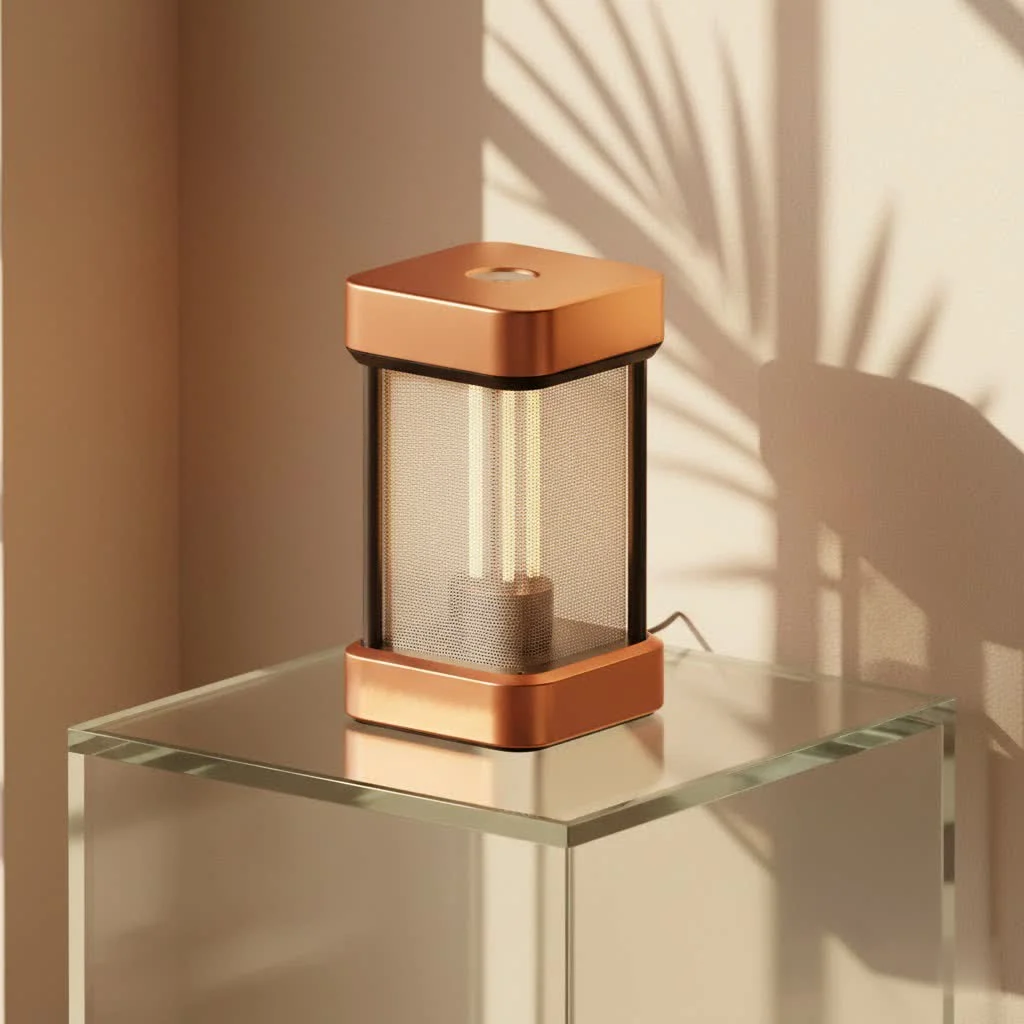
- PIC Decorative Flameless Effect Bug Zapper Lanterns: These offer a more aesthetically pleasing design, often incorporating LED flame effects alongside bug-zapping capabilities, blending seamlessly with patio decor.
- Feit Electric Bug Zapper Light Bulbs: A convenient option that screws into standard light fixtures, combining everyday lighting with bug zapping.
Specialty Bug Zappers
Sometimes, you need a more targeted approach.
- Black Flag Portable Handheld Bug Zapper Racket: These devices allow you to directly swat and zap individual flying insects. They are excellent for immediate elimination of pesky flies or mosquitoes that have made their way indoors. They require manual effort but offer immediate, pinpoint results, unlike stationary zappers that rely on attracting bugs.
Key Factors to Consider When Buying Your Home Depot Bug Zapper
Choosing the right bug zapper means matching its features to your specific needs. Here’s what my years of experience have taught me to look for:
Coverage Area: Matching Zapper to Space
This is paramount. An underpowered zapper for a large area is like trying to empty a swimming pool with a teacup – ineffective and frustrating. Many models list their coverage in square feet or acres.
- For small patios or single rooms, a smaller, less powerful unit might suffice (500-1,000 sq ft).
- For larger backyards, consider models rated for 1/2 acre, 1 acre, or even 1.5 acres, like some Flowtron or Black Flag options.
- JRDiy Pro Tip: Always aim for a zapper slightly more powerful than your perceived need to ensure optimal performance and prevent the grid from getting easily clogged with too many insects.
Attractants: UV Light vs. Octenol
Most bug zappers rely on UV light, which is highly effective at drawing in nocturnal flying insects. However, UV light is indiscriminate, meaning it attracts beneficial insects like moths and lacewings, not just mosquitoes.
- Octenol Lures: If mosquitoes are your primary target, look for models that include an octenol lure. Octenol mimics human breath and significantly boosts the zapper’s effectiveness against mosquitoes. Brands like Black Flag and Flowtron often include these cartridges. Be cautious when handling octenol, as it can cause skin irritation.
Power Source: Plug-in vs. Battery
Your chosen location will heavily influence this decision.
- Plug-in models: Ideal for continuous, 24/7 protection in fixed outdoor or indoor spots near an electrical outlet. Remember, they often require an outdoor-rated, grounded extension cord due to short power cords.
- Battery-operated models (e.g., RYOBI ONE+): Offer unmatched portability for camping, tailgating, or moving around your yard. The trade-off is limited runtime (e.g., ~6 hours for the RYOBI) and the need for recharging or spare batteries.
Durability & Safety Features
Since many bug zappers live outdoors, robust construction is non-negotiable.
- Weatherproof Construction: Look for models made with durable metal or ABS plastic housing that can withstand the elements, especially for outdoor placement. The Flowtron BK-40D, for instance, is UL certified for all-weather outdoor use.
- Protective Grids: Bug zappers operate with high voltage. While not lethal to humans, touching the grid is painful. Ensure the model has a safety cage or narrow grills to prevent accidental contact by curious fingers or paws. The RYOBI ONE+ zapper features a rugged plastic cage with narrow grills.
- Grounded Plugs: Always ensure plug-in models have a grounded plug and use them with grounded outlets and extension cords to prevent electrical shocks.
Ease of Maintenance & Cleaning
No one wants a high-maintenance bug zapper. Consider:
- Bug Collection: Some models allow zapped bugs to fall to the ground (e.g., Flowtron BK-40D), while others have removable collection trays (e.g., Aspectek, RYOBI, Black Flag). Trays require regular emptying.
- Replaceable Bulbs: UV bulbs lose their effectiveness over time, even if they still appear to be lit. Choose models with easily replaceable bulbs, as this is more economical than replacing the entire unit. For example, a Black Flag BZ-20 replacement bulb costs significantly less than a new unit.
- Attractant Cartridges: If using octenol, remember these need to be replaced approximately every 30 days.
Installation and Optimal Placement for Peak Performance
Proper installation and strategic placement are critical for maximizing your bug zapper’s effectiveness. It’s not just about plugging it in; it’s about creating an irresistible beacon for pests where you want them, and keeping them away from where you don’t.
- Height Matters: For optimal insect interception, aim to hang your bug zapper about 6 feet above the ground. This places it directly in the flight paths of most flying insects.
- Distance is Key: Position your bug zapper 20 to 40 feet away from areas where people gather, such as patios, decks, or outdoor dining spaces. The goal is to draw bugs away from you and your guests.
- Minimize Competition: Place your zapper away from other bright light sources, like porch lights or decorative outdoor lighting. A zapper works best when its UV bulb is the most prominent light source, maximizing its drawing power.
- Weather Considerations: If you’re using an outdoor zapper, ensure it has weatherproof construction. For plug-in models, always use a properly grounded and weatherproof extension cord connected to a grounded outdoor outlet.
Essential Maintenance Tips to Keep Your Bug Zapper Zapping
Just like any tool, your bug zapper needs a little TLC to keep running efficiently for seasons to come. Regular maintenance is simple and ensures you get the most out of your investment.
Regular Cleaning of the Grid and Collection Tray
Dead insects and debris can accumulate on the electric grid and in collection trays, reducing the zapper’s effectiveness and potentially creating odors or attracting scavengers.
- Safety First: Always unplug the unit from the power source and allow it to cool completely before attempting any cleaning. Never use water directly on electrical components unless the unit is specifically rated as waterproof, which is rare for the internal grid.
- For Collection Trays: Gently remove the tray, empty its contents into the trash, and wipe it clean with a damp cloth and mild soap if needed. Ensure it’s completely dry before reinserting.
- For Electric Grids: Use a soft-bristled brush (some zappers include one) or compressed air to gently remove stuck insects and debris from between the grid wires. You can gently tap the unit to dislodge bugs.
- Frequency: During peak insect season, check and clean your zapper weekly. Always perform a thorough cleaning before storing it for the off-season.
UV Bulb Replacement Schedule
UV bulbs are the heart of your zapper’s attraction power, but their UV output diminishes over time, even if they appear to be glowing.
- Annual Replacement: Manufacturers typically recommend replacing UV bulbs every season, or approximately every 3,000 hours of use (about 4 months if running continuously). This ensures the zapper maintains optimal insect-attracting power.
- How to Replace: Unplug the unit, let the bulb cool, and follow the manufacturer’s instructions for accessing and replacing the bulb. This usually involves removing screws from an access panel and gently pulling the old bulb out before inserting the new one.
Attractant Cartridge Replacement
If your bug zapper uses octenol lure cartridges to target mosquitoes, these also need regular attention.
- Monthly Changes: For maximum effectiveness, replace octenol cartridges approximately every 30 days. Stock up on replacements when you purchase your zapper to avoid gaps in protection.
Troubleshooting Common Bug Zapper Issues
Even the best bug zappers can encounter minor hiccups. Here are some common issues and how to resolve them:
- Not Zapping Effectively:
- Dirty Grid: The most common culprit. A buildup of dead insects insulates the grid, preventing it from zapping. Clean the grid as described above.
- Old UV Bulb: The UV light might be visibly working, but its insect-attracting spectrum could be diminished. Replace bulbs annually or every 3-4 months during heavy use.
- Poor Placement: The zapper might be too close to other lights or too close to where people are gathering. Adjust its location to be 20-40 feet away from human activity and away from competing light sources.
- Short Power Cord: Many zappers come with short cords. This is easily remedied with a durable, outdoor-rated extension cord plugged into a grounded outlet.
- Too Bright for Indoor Use: If an indoor zapper’s UV light is overwhelming, consider placing it in a less conspicuous area or opting for a model with a more discreet design or lower light output for bedrooms and living spaces.
Expert Insights from JRDiy.com
“From my years working with pest control solutions, I’ve seen firsthand how a well-chosen and properly maintained bug zapper can transform a summer evening,” notes Dr. Elias Thorne, our lead entomologist at JRDiy.com. “Home Depot provides fantastic options, but the real trick is understanding your specific pest problem and the environment you’re trying to protect. Don’t just buy any zapper; buy the right zapper for your home, and commit to its simple upkeep. That’s where you’ll see the biggest difference.”
FAQ: Your Home Depot Bug Zapper Questions Answered
How often should I clean my bug zapper?
During peak insect season, it’s advisable to check and clean your bug zapper’s grid and collection tray weekly. At a minimum, perform a thorough cleaning at least once a month and definitely before storing it for the off-season.
Do Home Depot bug zappers attract beneficial insects?
Yes, most traditional UV bug zappers are indiscriminate. They attract any nocturnal flying insects, including beneficial ones like moths, lacewings, and beetles. If targeting mosquitoes specifically, look for models that include an octenol lure.
Can I use an outdoor bug zapper indoors?
While some outdoor zappers might technically work indoors, it’s generally not recommended. Outdoor units are often very bright and powerful, which can be overwhelming in an enclosed space. Additionally, many outdoor models are designed for bugs to fall to the ground, creating a mess indoors. Always check the manufacturer’s recommendations for indoor use.
How long do bug zapper bulbs last?
UV bulbs in bug zappers typically need to be replaced every 3-4 months of continuous use or at the start of each new bug season, even if they still appear to be lit. Their UV output, which attracts insects, diminishes over time.
What’s the best bug zapper for mosquitoes at Home Depot?
For mosquitoes, models that include an octenol attractant, like the Flowtron BK-40D or Black Flag BZ-20, are highly effective. For portable mosquito control, the RYOBI ONE+ 18-Volt Bug Zapper is an excellent cordless option for smaller areas.
Conclusion
Choosing a bug zapper from Home Depot doesn’t have to be a shot in the dark. With the right knowledge about types, key features, proper installation, and consistent maintenance, you can confidently select a device that will keep your living spaces comfortably free from flying pests. Embrace these expert tips, visit your local Home Depot, and get ready to enjoy those serene, bug-free moments you’ve been dreaming of. Here at JRDiy.com, we’re committed to helping you make the best choices for your home, ensuring your bug zapper performs optimally for years to come.
Get our weekly buyer guide
Practical specs, not advice. Unsubscribe anytime.