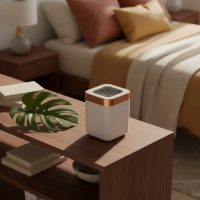
Gnats can turn your peaceful indoor sanctuary into a buzzing nuisance. These tiny flying insects, whether they’re fruit flies circling your kitchen or fungus gnats hovering around your houseplants, are more than just annoying – they can feel impossible to get rid of. After more than 15 years in pest control, specializing in practical solutions for homeowners, I’ve seen countless battles waged against these minuscule invaders. The good news? An effective indoor bug zapper for gnats can be a powerful ally in your fight, offering a convenient, often chemical-free way to reclaim your space.
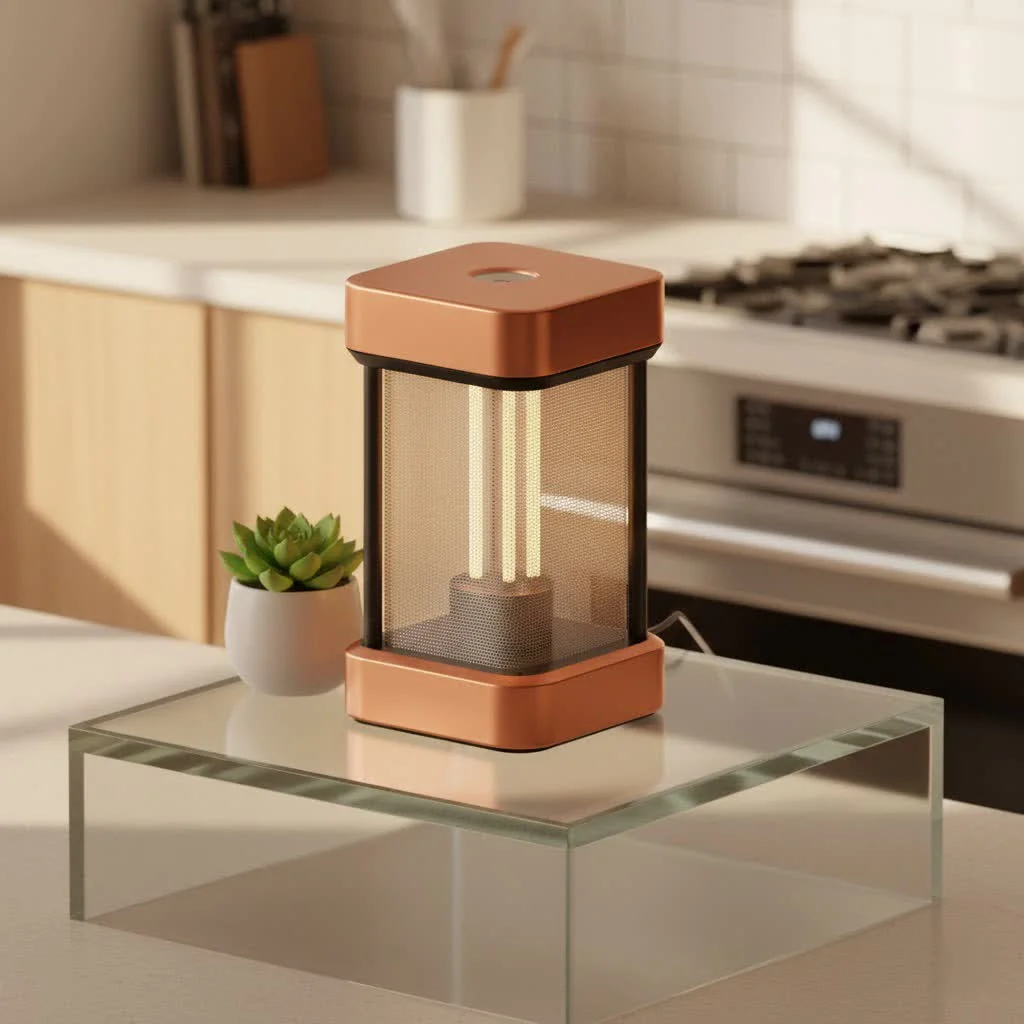
Here at JRDiy.com, we’re all about empowering you with the knowledge to make smart, safe, and effective choices for your home environment. That’s why I’m here to demystify the world of indoor bug zappers and help you select, use, and maintain the perfect one to keep your home gnat-free.
Understanding Your Tiny Invaders: What Attracts Gnats Indoors?
Before we dive into how an indoor bug zapper for gnats works, it’s essential to understand what draws these pests into your home. Gnats aren’t a single species but a broad term for various small, flying insects. Indoors, you’re most likely dealing with one of two main culprits:
- Fruit Flies: These are the little red-eyed insects often seen near ripe fruits, vegetables, and fermented items like wine or cider vinegar. They love moist, decaying organic matter.
- Fungus Gnats: Common around houseplants, these gnats thrive in moist soil where they feed on fungi and decaying plant material. Overwatering your plants is a common invitation for them.
Both types of gnats are attracted to light, moisture, and organic materials, making them a consistent challenge for homeowners. Knowing their habits is the first step toward effective control, and it’s where an indoor bug zapper for gnats can truly shine.
How Do Indoor Bug Zappers Work Against Gnats?
The principle behind most indoor bug zappers is elegantly simple: attraction and elimination. These devices primarily use ultraviolet (UV) light, specifically UV-A light at around 365 nanometers, to lure flying insects. Many insects, including gnats, are highly sensitive to UV light and perceive it as a beacon, especially in darker environments.
Once attracted, the method of elimination varies:
- Electric Grid Zappers: The classic “bug zapper” uses a high-voltage metal grid surrounding the UV light. When an insect flies into this grid, it completes an electrical circuit, resulting in a quick, decisive “zap.” For gnats, the effectiveness of these traditional zappers largely depends on the fineness of the grid. Larger grids designed for bigger insects like mosquitoes or moths might allow tiny gnats to pass right through unharmed. A tightly spaced grid is crucial here.
- UV Light and Sticky Trap Combinations: These newer indoor bug zapper designs combine UV light attraction with a non-toxic, super-sticky adhesive trap. Gnats are drawn to the light and then land on the sticky surface, where they become permanently trapped. These are often praised for being silent and mess-free, as the dead insects are usually hidden from view behind the device’s casing. They are particularly effective for small flying insects like gnats and fruit flies, providing visible evidence of their efficacy without the audible “zap.”
- Fan-Based Suction Traps: Some indoor bug zappers, sometimes combined with UV light, utilize a small fan to create a vortex. Insects attracted to the light or a mild attractant are pulled into a collection chamber by the fan’s suction, where they are trapped and eventually dehydrate. These are typically quiet and effective for sustained gnat control.
“The key to a truly effective indoor bug zapper for gnats,” explains Dr. Evelyn Reed, a renowned entomologist and pest control innovator, “lies not just in its ability to attract, but in its meticulous design to capture or eliminate even the smallest of these persistent pests. A fine-mesh grid or a powerful sticky trap is non-negotiable for gnat control.”
Navigating the Options: Types of Indoor Bug Zappers for Gnats
When considering an indoor bug zapper for gnats, you’ll find a few distinct types, each with its own advantages. Understanding these will help you choose the best fit for your specific gnat problem.
1. Electric Grid Zappers (The “Zap” Models)
|
Our Picks for the Best Bug Zapper in 2026
As an Amazon Associate I earn from qualifying purchases.
|
||
| Num | Product | Action |
|---|---|---|
| 1 | DEVOGUE® Electric Fly Swatter Bug Zapper Battery Operated Flies Killer Indoor & Outdoor Pest Control Mosquito Zapper and Insect Catcher Racket |

|
| 2 | FVOAI Bug Zapper Outdoor, Mosquito Zapper, Fly Zapper, Insect Zapper Electric Fly Traps for 1/2 Acre, Indoor Outdoor Use with 3 Prong Plug-in,4200V, ABS Plastic Outer, Black |
|
| 3 | ASPECTEK Insect Killer, Bug Zapper, Powerful 20W Electronic Indoor Fly Zapper, Mosquito Killer-Indoor Use Including Free 2 Pack Replacement Bulbs |
|
| 4 | Flowtron Bug Zapper, 1 Acre of Outdoor Coverage with Powerful 40W Bulb & 5600V Instant Killing Grid, Electric Insect, Fly & Mosquito Zapper, Made in The USA |
|
| 5 | YISSVIC Bug Zapper Outdoor Indoor Waterproof Electric Mosquito Lamp Fly Zapper Killer Effective 4200V Plug in for Home Patio Office Courtyard (One-Light Control Bug Zapper) |
|
| 6 | Bug Zapper Outdoor, Mosquito Zapper Indoor with Dusk to Dawn Light Sensor, 4000V Electric Fly Zapper, Waterproof Mosquito Killer, Fly Trap for Home, Patio, Kitchen, Garden - 9.8 FT Length Cable |
|
| 7 | BugMD Fruit Fly Trap Indoor for Safer Home, Gnat Traps for House Indoor, Gnat Killer, Plug in Bug Catcher, Fly Trap, Insect Traps, Fruit Fly Killer |
|
| 8 | GOOTOP Bug Zapper Outdoor, Mosquito Zapper, 3 Prong Plug in Electric Fly Zapper, Mosquito Killer, Fly Traps, Flying Insects Zapper Indoor Outdoor 90-130V, 4200V, ABS Plastic Outer (Black) |
|
| 9 | LiBa Electric Bug Zapper, Indoor Insect Killer - (2) Extra Replacement Bulbs - Fly, Mosquito Killer and Repellent - Lightweight, Powerful 2800V Grid, Easy-to-Clean, with a Removable Washable Tray. |
|
| 10 | AMUFER Bug Zapper Outdoor Indoor, 18W Power & 4400V Instant Grid Mosquito Repellent, Insect Control Efficiency Increased 100%, 1/2 Acre Coverage, Fly Trap for Patio, Backyard, Home |
|
These are the traditional bug zappers, instantly recognizable by their glowing UV light and the satisfying “zap” sound.
- How They Work: Gnats are drawn to the UV light and then electrocuted upon contact with the internal high-voltage grid.
- Pros: Immediate, visible results. Can be very effective for a wide range of flying insects, provided the grid is appropriately spaced for gnats.
- Cons: The “zap” sound can be startling indoors. Some models might have wider grids that smaller gnats can slip through. Requires periodic cleaning of dead insect remains from the grid and collection tray.
- Best For: Areas where you need quick, decisive action and don’t mind the occasional sound, provided you find a model with a fine grid.
2. UV Light and Sticky Trap Combinations
These units represent a more modern and often preferred approach for indoor gnat control, particularly in living spaces.
- How They Work: They use UV light to attract gnats, which then fly onto a replaceable adhesive sticky pad concealed within the device.
- Pros: Silent operation, no startling “zaps.” Mess-free, as the trapped insects are hidden from view. Chemical-free, making them ideal for kitchens, bedrooms, and homes with children or pets. Highly effective for small insects like gnats and fruit flies.
- Cons: Requires regular replacement of sticky pads. Pads can fill up quickly during heavy infestations.
- Best For: Continuous, discreet gnat control in common living areas, kitchens, and near houseplants, prioritizing quiet and cleanliness. Products like the Zevo trap fall into this category.
3. Fan-Based Suction Traps
Though less common for the “zapper” moniker, many effective indoor gnat traps incorporate a fan.
- How They Work: UV light attracts the gnats, and a quiet fan creates a gentle suction, pulling the insects into a removable collection chamber where they are trapped.
- Pros: Silent or very low noise. No zapping sound. Can be highly effective, especially when paired with a UV light and potentially a mild lure.
- Cons: Requires emptying the collection tray. May not provide the “instant kill” satisfaction of an electric grid.
- Best For: Those who prefer a silent operation and a chemical-free method to gently but effectively remove gnats from the air.
Choosing the Right Indoor Bug Zapper for Your Home
Selecting the perfect indoor bug zapper for gnats isn’t a one-size-fits-all decision. Based on my extensive experience, here are the critical factors to consider:
1. Coverage Area and Room Size
Think about where your gnat problem is most prevalent. Do you need to cover a small kitchen corner or an entire open-plan living area?
- Small Spaces (Kitchens, Bedrooms, Bathrooms): Compact, plug-in models (especially sticky trap varieties) are excellent. They typically cover smaller square footages efficiently.
- Larger Rooms or Multiple Infestations: Look for units with a wider coverage rating, often specified in square feet. Some electric grid models can cover significantly more ground.
- Pro Tip: Don’t assume bigger is always better for indoor use. An oversized zapper in a small room can be an unnecessary distraction, and for gnats, targeted placement is often more crucial than sheer power.
2. Safety First: Pets and Children
This is paramount. Your indoor bug zapper for gnats must be safe for every member of your household.
- Protective Casing/Grills: Ensure any electric grid zapper has a robust outer cage that prevents curious fingers or paws from touching the electrified internal grid.
- Chemical-Free: Sticky trap and fan-based models are often completely chemical-free, making them a top choice for homes with young children, sensitive individuals, or pets who might investigate.
- Placement: Regardless of the type, always place the unit out of reach of children and pets.
3. Noise Level: Silence is Golden
The last thing you want is a loud, disruptive device in your living space.
- Silent Options: Sticky trap and fan-based models are generally silent or produce a very low hum, making them perfect for bedrooms, offices, or any area where peace and quiet are valued.
- Electric Grid Models: Be aware that electric zappers will make an audible “zap” when an insect is eliminated. While some find this satisfying, others find it jarring. Look for models advertised as “low noise” if you opt for an electric grid zapper.
4. Maintenance and Ease of Cleaning
No one wants a high-maintenance pest control solution.
- Electric Grid Zappers: Most come with a removable collection tray at the bottom that needs to be emptied regularly. The grid itself may also require occasional brushing to remove trapped insects. Look for models that come with a small cleaning brush.
- Sticky Trap Zappers: These require replacing the adhesive cartridge when it’s full. Many designs make this a simple, mess-free process where you don’t even touch the dead insects.
- Fan-Based Traps: The collection chamber will need to be emptied periodically.
5. Power Source and Placement Flexibility
Consider how and where you’ll power your device.
- Plug-in Models: Most indoor bug zappers are plug-in. Ensure the cord length is suitable for your desired placement. Some compact models plug directly into a wall outlet and may offer a rotating plug for versatile orientation.
- USB Rechargeable/Battery-Powered: These offer ultimate flexibility for placement and portability, though their runtime may be limited, making them less ideal for continuous 24/7 gnat control.
6. Considering Additional Attractants
While UV light is the primary attractant for gnats, some zappers incorporate additional lures.
- Octenol: This chemical mimics human breath and can be highly effective for mosquitoes and some biting flies. While it might attract some gnats, UV light is usually the stronger draw for fruit and fungus gnats.
- Lures specifically for gnats: Some devices may include specific gnat pheromones or food-based lures, which can significantly boost effectiveness.
Strategic Placement and Safe Operation for Maximum Gnat Control
Choosing the right indoor bug zapper for gnats is only half the battle; knowing where and how to use it makes all the difference.
Optimal Placement for Gnat Control
Placement is perhaps the most critical factor for an indoor bug zapper for gnats.
- Away from Competing Light Sources: UV light is most effective in the dark. Place your zapper away from windows, bright lamps, or TVs, especially at night. If there are other lights, the gnats might not be as strongly drawn to the zapper.
- Near Breeding Grounds: For fungus gnats, place the zapper close to your houseplants. For fruit flies, position it in the kitchen, near fruit bowls, trash cans, or sinks.
- In the Path of Flight: Gnats are weak fliers. Placing a zapper in a doorway or hallway can intercept them as they move between rooms.
- Elevated but Accessible: Placing the zapper slightly off the ground (e.g., on a counter or table) can improve its reach. However, ensure it’s still safely out of the reach of children and pets.
- Don’t Hide It: The light needs to be visible to attract insects. Don’t place it behind furniture or inside cabinets.
Important Safety Precautions
As a long-time advocate for home safety, I always stress these points:
- Read the Manual: Always follow the manufacturer’s instructions for installation, use, and cleaning.
- Keep Out of Reach: Children and pets are naturally curious. Ensure electric grid zappers are placed high enough or in areas they cannot access to prevent accidental contact. Many modern designs include protective outer grills for this very reason.
- Dry Locations Only: Unless explicitly rated for damp conditions, indoor bug zappers are designed for dry indoor use. Avoid placing them near sinks, showers, or in very humid basements where moisture could cause a hazard.
- Unplug Before Cleaning: Always unplug your bug zapper before attempting any cleaning or maintenance to prevent electrical shock.
Keeping Your Gnat Zapper Performing: Maintenance Tips
Regular maintenance ensures your indoor bug zapper for gnats remains a vigilant guardian against pests.
Regular Cleaning for Optimal Performance
- Empty Collection Trays: For electric grid zappers, dead insects accumulate in a tray. Empty this tray weekly, or more often during peak gnat season, to prevent it from overflowing and attracting more pests.
- Clean the Grid (Electric Zappers): Over time, insects can accumulate on the electrified grid, reducing its effectiveness. Use a small, non-metallic brush (often provided with the unit) to gently brush off any stuck insects. Always ensure the unit is unplugged!
- Wipe Down Exterior: A quick wipe with a damp cloth keeps the outside clean and free of dust, ensuring maximum light output.
Replacing Bulbs and Sticky Pads
- UV Bulb Lifespan: UV bulbs lose their effectiveness over time, even if they still appear to be glowing. Most manufacturers recommend replacing UV bulbs annually for optimal gnat attraction. This is a simple process, and replacement bulbs are readily available.
- Sticky Pad Replacement: For sticky trap models, replace the adhesive cartridge when it’s visibly full of gnats or as recommended by the manufacturer, typically every 2-4 weeks depending on infestation levels. Keeping fresh sticky pads ensures continuous trapping power.
Troubleshooting Common Indoor Bug Zapper Issues
Even the best indoor bug zapper for gnats might occasionally present a minor hiccup. Here’s how to troubleshoot common problems:
- “My zapper isn’t catching anything!”
- Check Placement: Is it in a dark enough area? Away from competing lights? Near the gnat source?
- Bulb Effectiveness: Has it been over a year since the UV bulb was replaced? Even if it glows, its attractive power diminishes.
- Grid/Pad Full: Is the electric grid clogged, or the sticky pad full? Clean or replace as needed.
- Power: Is it properly plugged in and receiving power?
- “It’s making too much noise (electric zappers).”
- This is often inherent to the design. If it’s consistently disruptive, consider a silent sticky trap or fan-based model for that location.
- “The light is on, but no zapping is happening.”
- Gnat Size: For electric zappers, ensure your specific model has a fine enough grid to catch gnats. Larger gaps might let them pass through.
- Clean Grid: A heavily soiled grid might prevent proper electrical contact. Unplug and clean thoroughly.
Frequently Asked Questions
Are indoor bug zappers truly effective for gnats?
Yes, indoor bug zappers can be very effective for controlling gnats, especially models designed with fine grids or sticky traps that specifically target small flying insects. Their effectiveness is maximized when placed correctly in dark rooms and near gnat breeding sources.
What’s the difference between a bug zapper and a sticky trap for gnats?
A traditional bug zapper uses UV light to attract gnats and then electrocutes them on a high-voltage grid, often with an audible “zap.” A sticky trap, often combined with UV light, lures gnats onto an adhesive surface where they get stuck, offering a silent and mess-free solution.
How safe are indoor bug zappers around children and pets?
Many indoor bug zappers are designed with safety in mind, featuring protective casings or grills to prevent accidental contact with electric grids. Sticky trap models are generally chemical-free and silent, making them a very safe option for homes with children and pets, as long as they are placed out of direct reach.
Where is the best place to put an indoor bug zapper for gnats?
For optimal gnat control, place your indoor bug zapper in a relatively dark area, away from competing light sources, and close to where gnats are most active—such as near houseplants for fungus gnats or in the kitchen for fruit flies.
How often should I clean or maintain my indoor gnat zapper?
For electric grid zappers, empty the collection tray weekly and clean the grid as needed with a non-metallic brush. For sticky trap models, replace the adhesive cartridge when it’s full or every 2-4 weeks, depending on the severity of the infestation, and consider replacing UV bulbs annually for all types.
Conclusion
Dealing with gnats indoors can be a truly frustrating experience, but with the right indoor bug zapper for gnats, you can significantly reduce their presence and restore peace to your home. Whether you opt for a silent sticky trap, a fan-based solution, or a classic electric grid with a fine mesh, understanding how these devices work, how to choose the best one for your needs, and how to maintain it will make all the difference. At JRDiy, we’re committed to providing you with practical, expert advice, and I truly believe that integrating an indoor bug zapper into your pest management strategy can be a game-changer. So, go ahead, choose your weapon wisely, place it strategically, and enjoy a gnat-free home once again!
Get our weekly buyer guide
Practical specs, not advice. Unsubscribe anytime.