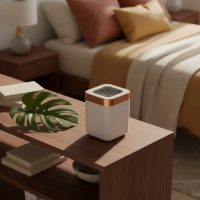
Tired of those buzzing, biting intruders ruining your evenings outdoors or peace indoors? If you’ve ever felt that exasperating swat in the air, you’re not alone. For over 15 years, I’ve been immersed in the world of bug zappers, testing, refining, and understanding these electrifying devices from every angle. Here at JRDiy.com, we believe a pest-free environment is a happier one, and an electric bug zapper can be a game-changer. But it’s not just about plugging it in; it’s about understanding how they work, choosing the right one, and maintaining it properly to reclaim your space from unwanted guests.
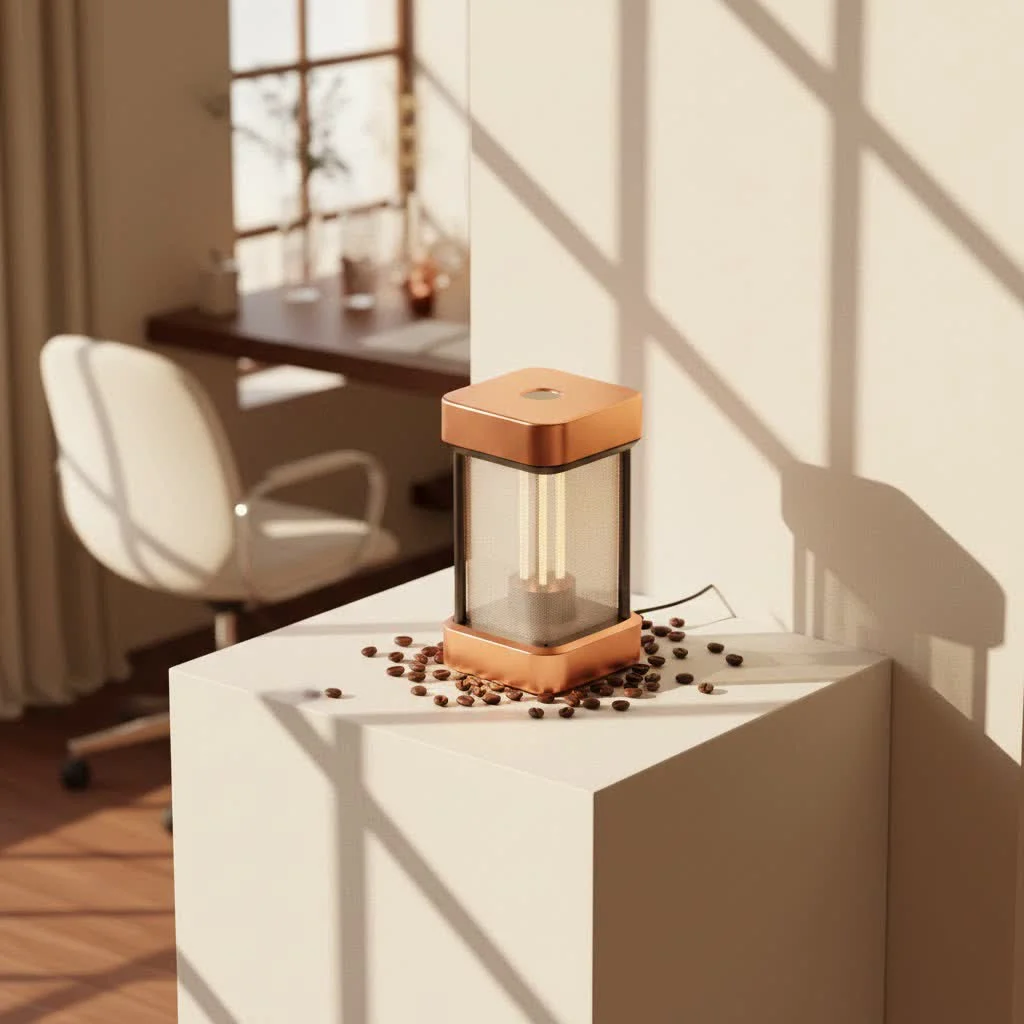
Let’s dive into everything you need to know about these brilliant bits of pest control technology, ensuring you make the best choice for your home and lifestyle. For browse all bug zapper articles on this site.
How Does an Electric Bug Zapper Work Its Magic?
At its core, an electric bug zapper is a fascinating blend of light and high voltage designed to deal with flying insects swiftly. Imagine a beacon calling out to the night’s tiny fliers. Most bug zappers use ultraviolet (UV) light, specifically in the UV-A range (around 345 to 370 nanometers), which is incredibly attractive to a wide array of insects. They simply can’t resist it!
As an insect, drawn by this alluring glow, ventures closer, it encounters an electrified grid surrounding the light source. This grid consists of two sets of closely spaced wires carrying a high voltage – typically thousands of volts. The moment the insect’s body bridges this tiny gap between the wires, it completes an electrical circuit. Zap! A quick, decisive jolt of electricity instantly eliminates the pest. That familiar “zzzzzt” sound you hear is the satisfying proof that the zapper is doing its job.
“The beauty of an electric bug zapper lies in its simplicity and effectiveness for light-attracted insects,” explains Dr. Anya Sharma, an entomologist specializing in urban pest management. “It’s a direct, chemical-free way to reduce flying pest populations.”
Decoding the Different Types of Electric Bug Zappers
When you start exploring the world of electric bug zapper devices, you’ll quickly realize they come in various forms, each suited for different needs and environments.
Stationary/Plug-in Bug Zappers
These are the most common types, designed for continuous operation in a fixed location. They often resemble lanterns or sleek modern fixtures and are built for both indoor and outdoor use.
- Indoor Models: Typically feature collection trays at the bottom to neatly catch dead insects, preventing mess. They are perfect for kitchens, living areas, or workshops where flying pests are a nuisance.
- Outdoor Models: Constructed with weatherproof housings (look for an IPX4 rating or higher) to withstand the elements. These are designed to cover larger areas like patios, decks, or entire backyards. Many outdoor electric bug zapper units also incorporate additional attractants, like octenol, to specifically lure mosquitoes, which aren’t always strongly attracted to UV light alone.
Handheld/Racket Bug Zappers
|
Our Picks for the Best Bug Zapper in 2026
As an Amazon Associate I earn from qualifying purchases.
|
||
| Num | Product | Action |
|---|---|---|
| 1 | FVOAI Bug Zapper Outdoor, Mosquito Zapper, Fly Zapper, Insect Zapper Electric Fly Traps for 1/2 Acre, Indoor Outdoor Use with 3 Prong Plug-in,4200V, ABS Plastic Outer, Black |

|
| 2 | BugMD Fruit Fly Trap Indoor for Safer Home, Gnat Traps for House Indoor, Gnat Killer, Plug in Bug Catcher, Fly Trap, Insect Traps, Fruit Fly Killer |
|
| 3 | AMUFER Bug Zapper Outdoor Indoor, 18W Power & 4400V Instant Grid Mosquito Repellent, Insect Control Efficiency Increased 100%, 1/2 Acre Coverage, Fly Trap for Patio, Backyard, Home |
|
| 4 | LiBa Electric Bug Zapper, Indoor Insect Killer - (2) Extra Replacement Bulbs - Fly, Mosquito Killer and Repellent - Lightweight, Powerful 2800V Grid, Easy-to-Clean, with a Removable Washable Tray. |
|
| 5 | DEVOGUE® Electric Fly Swatter Bug Zapper Battery Operated Flies Killer Indoor & Outdoor Pest Control Mosquito Zapper and Insect Catcher Racket |
|
| 6 | GOOTOP Bug Zapper Outdoor, Mosquito Zapper, 3 Prong Plug in Electric Fly Zapper, Mosquito Killer, Fly Traps, Flying Insects Zapper Indoor Outdoor 90-130V, 4200V, ABS Plastic Outer (Black) |
|
| 7 | Flowtron Bug Zapper, 1 Acre of Outdoor Coverage with Powerful 40W Bulb & 5600V Instant Killing Grid, Electric Insect, Fly & Mosquito Zapper, Made in The USA |
|
| 8 | Bug Zapper Outdoor, Mosquito Zapper Indoor with Dusk to Dawn Light Sensor, 4000V Electric Fly Zapper, Waterproof Mosquito Killer, Fly Trap for Home, Patio, Kitchen, Garden - 9.8 FT Length Cable |
|
| 9 | YISSVIC Bug Zapper Outdoor Indoor Waterproof Electric Mosquito Lamp Fly Zapper Killer Effective 4200V Plug in for Home Patio Office Courtyard (One-Light Control Bug Zapper) |
|
| 10 | ASPECTEK Insect Killer, Bug Zapper, Powerful 20W Electronic Indoor Fly Zapper, Mosquito Killer-Indoor Use Including Free 2 Pack Replacement Bulbs |
|
Think of these as an electrified tennis racket. Lightweight and portable, handheld zappers offer a more active, on-demand approach to pest control. You manually swing them to make contact with individual flying insects, delivering a satisfying zap. They are fantastic for personal use, taking on camping trips, or tackling that one persistent fly buzzing around your head.
The Lowdown on Effectiveness: What Bugs Do They Target?
An electric bug zapper is highly effective against many common flying insects, including:
- Flies (house flies, fruit flies)
- Moths
- Gnats
- Some beetles
- Wasps and hornets (though caution is advised as they can sting even when zapped).
However, it’s important to set realistic expectations. While often marketed as mosquito killers, traditional UV-light-only bug zappers are generally less effective against mosquitoes. Many species of mosquitoes are more attracted to carbon dioxide and body heat than UV light. This is why some advanced electric bug zapper models integrate additional attractants like octenol or CO2 generators to boost their mosquito-catching capabilities.
Another point to consider is the impact on beneficial insects. Bug zappers can be indiscriminate, meaning they might also zap moths and other insects that play vital roles in the ecosystem, such as pollination. For certain sensitive environments or where beneficial insects are prevalent, you might want to consider alternative methods or strategic placement.
Choosing the Perfect Electric Bug Zapper for Your Needs
Selecting the right electric bug zapper involves a few key considerations to ensure it meets your specific pest control challenges.
What is the ideal coverage area for your space?
Bug zappers come with specified coverage areas, often measured in square feet or acres.
- For smaller indoor rooms (bedrooms, kitchens), a compact electric bug zapper with a range of 500-1,000 square feet might be sufficient.
- For larger outdoor spaces (patios, decks, backyards), you’ll need a heavy-duty model designed to cover extensive areas, sometimes up to 1 acre. Match the zapper’s capacity to the size of the area you want to protect.
What safety features should you look for?
Safety is paramount, especially if you have children or pets.
- Protective Grids: Ensure the electric bug zapper has a robust outer safety cage or grid that prevents curious fingers or paws from touching the electrified internal grid.
- Automatic Disable: Some advanced models feature safety mechanisms that automatically disable the unit if it’s tampered with or opened for cleaning.
- Grounded Plugs: Always use zappers with grounded plugs and ensure your outdoor outlets are properly rated and protected.
How energy-efficient is it?
Modern electric bug zapper units, especially those using LED UV lights, are increasingly energy-efficient. While the power consumption is generally low for most models, checking the wattage can help you compare running costs, particularly for continuous outdoor use.
What about durability and ease of cleaning?
Look for an electric bug zapper made from sturdy, weather-resistant materials if it’s for outdoor use. For all types, consider how easy it is to clean.
- Removable Collection Trays: A must-have for indoor models, making disposal of dead insects hygienic and straightforward.
- Accessible Grids: While protected, the grid should be accessible enough for brushing away debris without requiring extensive disassembly.
- UV Bulb Replacement: Check how easy it is to replace the UV bulb, as this is a regular maintenance task.
Installation and Safe Usage: Setting Up Your Zapper for Success
Proper placement and safe operation are crucial for maximizing the effectiveness and longevity of your electric bug zapper.
Where should you place your bug zapper?
Placement is an art and a science. The goal is to lure bugs away from you, not to your gathering spaces.
- Optimal Distance: Position your electric bug zapper about 20-40 feet away from where people gather, like your patio seating or outdoor dining area. This draws insects away from you.
- Height: Many flying insects cruise at about 5 to 8 feet off the ground. Hanging your zapper at this height ensures it’s in their flight path.
- Away from Competing Lights: UV light is the primary attractant, so place the zapper away from other bright light sources (porch lights, floodlights) that might distract insects.
- Avoid Attracting Bugs Indoors: Never place an outdoor electric bug zapper directly facing open doors or windows, as it could draw more insects into your home.
Safety First, Always
- Unplug Before Handling: Always, always unplug your electric bug zapper before cleaning, moving, or performing any maintenance. Even when off, some grids can retain a residual charge.
- Weather Protection: If using an outdoor model, ensure it has an appropriate IPX4 (splash-proof) or higher weatherproof rating. The plug and wall socket should always be under cover. Never use a non-weatherproof zapper outdoors.
- No Water on Electrical Components: Unless explicitly stated as fully submersible or waterproof by the manufacturer, never spray water directly onto the electrical components or grid.
- Keep Away from Water Features: Avoid placing zappers near swimming pools, spa baths, or outdoor ponds to prevent electrocution hazards.
- Food Prep Areas: In commercial or home kitchens, traditional grid zappers can cause insect fragmentation, potentially scattering particles. For these areas, consider encapsulation units that trap insects on sticky boards instead.
Maintenance and Longevity: Keeping Your Zapper Zapping Strong
An electric bug zapper is a workhorse, tirelessly defending your space. Like any good tool, it needs regular care to perform its best and extend its lifespan.
Regular Cleaning for Peak Performance
This is the most critical maintenance task. Dead insects, dust, and debris can accumulate on the grid, reducing its effectiveness and even causing short circuits.
- Disconnect Power: Unplug the electric bug zapper from the outlet.
- Empty Collection Tray: For models with trays, carefully remove and empty the tray into a waste bin. Wash it with mild soap and water, then dry thoroughly before reinstalling.
- Clean the Grid: Using a soft-bristled brush (like a paint brush or an old toothbrush), gently brush away dead insects and debris from the electrified grid. For stubborn bits, compressed air can be very effective. Never use metal tools or poke the grid with anything conductive.
- Wipe Down Housing: Use a damp cloth to wipe the exterior housing, removing dust and grime.
- Frequency: During peak insect season, aim for weekly cleaning. Otherwise, a monthly clean should suffice. Always clean it thoroughly before storing it for the off-season.
UV Bulb Care and Replacement
The UV bulb is the heart of the electric bug zapper’s attraction power.
- Clean Bulbs Monthly: Wipe down the UV bulbs monthly with a microfiber cloth to remove dust and oils, which can diminish light output. Avoid touching the bulb surface with bare hands.
- Annual Replacement: Even if the bulb still glows, its UV output, which attracts insects, diminishes significantly over time. For optimal performance, replace the UV bulb in your electric bug zapper every season, typically once a year. Refer to your manufacturer’s instructions for specific bulb types and replacement procedures.
Attractant Refills (If Applicable)
If your electric bug zapper uses additional attractants like octenol cartridges for mosquitoes, remember to replace them regularly, usually every 30 days, as their effectiveness fades.
Off-Season Storage
When the bug season ends, give your electric bug zapper a final thorough cleaning. If it’s battery-operated, remove the batteries to prevent leakage. Store the unit in a dry, protected environment like a garage or shed, away from extreme temperatures and moisture, to ensure it’s ready for action next year.
Troubleshooting Common Electric Bug Zapper Issues
Even with the best maintenance, you might encounter minor hiccups.
- Reduced Effectiveness: If your zapper isn’t catching as many bugs, check for a clogged grid, a dim/old UV bulb, incorrect placement (too close to other lights, too far from bug activity), or if you’re trying to target mosquitoes with a basic UV-only model.
- No Power/Light: Ensure the unit is properly plugged in, the power cord is undamaged, and the UV bulb is working. A blown fuse (in some models) or a dead bulb can be the culprit.
- Zapping Sound, But No Kills: This could indicate a grid that’s not clean enough, or perhaps very small insects passing through without making full contact. Regular cleaning usually resolves this.
Frequently Asked Questions About Electric Bug Zappers
1. Are electric bug zappers safe for pets and children?
Yes, most modern electric bug zapper models are designed with safety in mind, featuring protective outer grids that prevent accidental contact with the high-voltage interior. Always choose models with these safety cages and ensure proper placement out of curious reach.
2. Do electric bug zappers kill mosquitoes effectively?
Traditional electric bug zapper units primarily attract insects drawn to UV light, which often excludes many mosquito species. However, models that incorporate additional attractants like octenol or carbon dioxide are significantly more effective at luring and eliminating mosquitoes.
3. Can I use an outdoor bug zapper indoors?
It’s generally not recommended. Outdoor zappers are designed for larger areas and often lack the convenient collection trays of indoor models, leading to mess. Furthermore, the light intensity and insect fragmentation can be less suitable for enclosed living spaces. Always use an electric bug zapper specifically rated for indoor use if you intend to place it inside your home.
4. How often should I clean my electric bug zapper?
During peak insect season, clean your electric bug zapper weekly to prevent dead insect buildup. In lighter seasons, monthly cleaning should suffice. Always perform a thorough cleaning before storing it for the winter.
5. How long do UV bulbs last in a bug zapper?
While UV bulbs might continue to glow, their effectiveness in attracting insects diminishes significantly after about one season (around 3,000 hours of use). For optimal pest control, it’s recommended to replace the UV bulb in your electric bug zapper annually.
Reclaim Your Space from Pests
An electric bug zapper is a valuable addition to any home’s pest control arsenal, offering a satisfying and often chemical-free way to manage flying insects. By understanding how these devices work, selecting the right one for your environment, and committing to simple, regular maintenance, you can maximize its effectiveness and enjoy a more peaceful, pest-free living space.
Here at JRDiy.com, our goal is to empower you with the knowledge to make smart choices for your home. So, go ahead, choose your zapper, set it up right, and prepare to enjoy the sweet sound of silence (or perhaps an occasional, satisfying zap!). Share your experiences and tips with us – together, we can create a world with fewer unwanted buzzes!
Get our weekly buyer guide
Practical specs, not advice. Unsubscribe anytime.