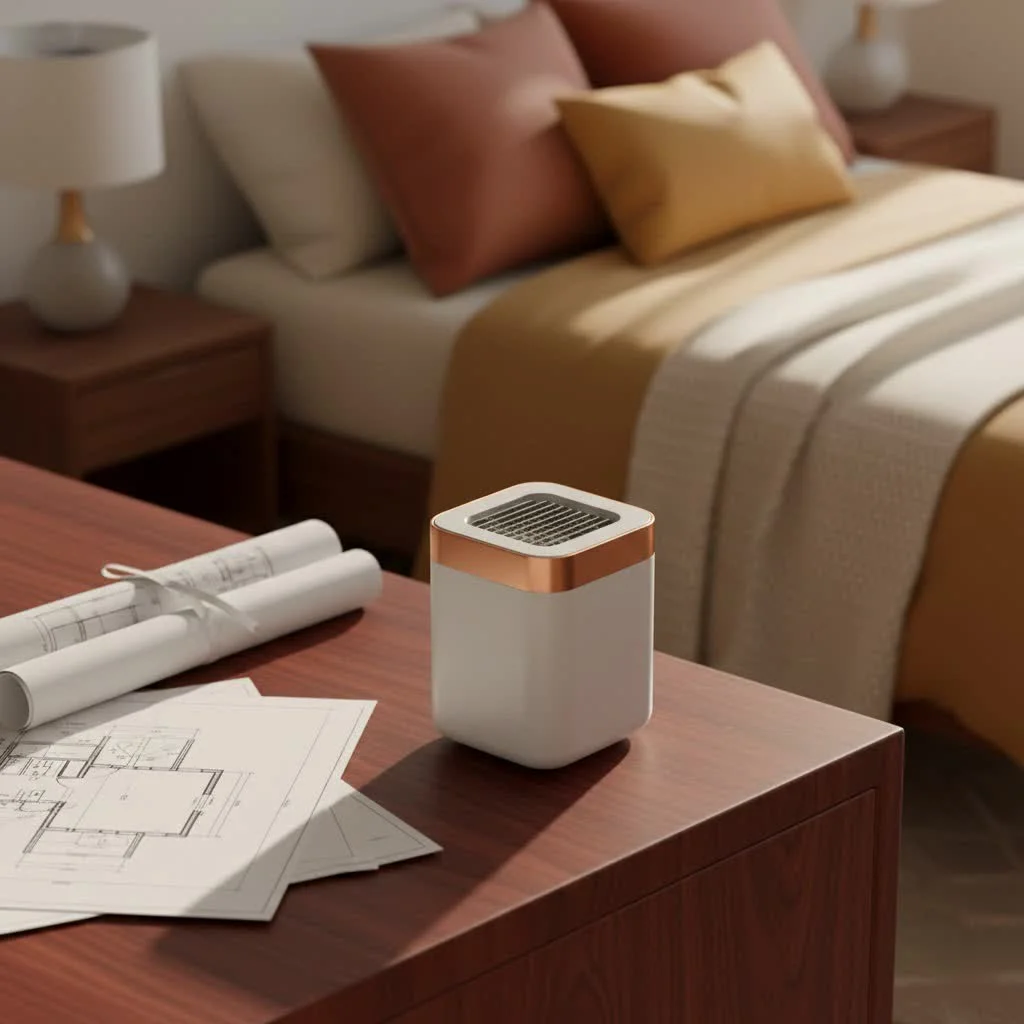
A patio bug zapper effectively eliminates flying insects from outdoor spaces by luring them with UV light, typically in the 365–400 nm range, and then electrocuting them on an internal grid. These devices are crucial for reclaiming outdoor moments, offering a chemical-free pest control solution for patios, decks, and gardens, particularly against moths, flies, gnats, and beetles.
What Exactly is a Patio Bug Zapper and How Does it Work?
At its core, a patio bug zapper is a straightforward yet ingenious device designed to lure and eliminate flying insects. The magic begins with a UV light, typically emitting light in the 365–400 nm range, which is incredibly attractive to most nocturnal flying insects. Think of it like a neon sign for bugs, broadcasting an irresistible invitation. Once the curious insect ventures close, it encounters an electrified grid, which delivers a quick, high-voltage shock, instantly eliminating the pest. These devices are built to withstand outdoor conditions, often featuring weatherproof housings and durable materials, making them a perfect fit for your deck or garden. For compare top bug zapper on this site.
While the basic principle remains the same, you’ll find variations. Most patio bug zappers rely solely on UV light. However, some advanced models also incorporate octenol lures, which mimic the scents that mosquitoes find attractive, significantly boosting their effectiveness against these notorious biters.
Why Your Patio Deserves a Bug Zapper: Benefits and Target Pests
Imagine a summer evening where you can genuinely relax without constantly swatting at mosquitoes or fending off dive-bombing moths. That’s the primary benefit of a patio bug zapper. They create a perimeter of protection, reducing the overall insect population in your immediate outdoor area. They’re particularly effective at clearing out common nuisances like moths, flies, gnats, and various beetles, allowing you to enjoy your outdoor dining, reading, or simply star-gazing in peace.
Now, let’s talk about mosquitoes. Many people get a bug zapper specifically for mosquitoes, and while they can help, it’s a nuanced topic. Traditional UV-only zappers are less effective against biting mosquitoes than you might expect, as many species aren’t primarily attracted to light alone. However, models that include an octenol cartridge or other mosquito-specific attractants significantly improve their targeting of these bloodthirsty pests. It’s a major upgrade if mosquitoes are your main concern.
Compared to chemical sprays or foggers, bug zappers offer a chemical-free pest control solution. There’s no residue, no lingering chemical odors, and they work continuously, passively protecting your space without requiring constant reapplication. This makes them an excellent choice for families with children and pets, or anyone looking for a more eco-conscious approach to pest management.
Choosing the Perfect Patio Bug Zapper for Your Space
Selecting the right patio bug zapper isn’t a one-size-fits-all endeavor. It depends heavily on the size and specific needs of your outdoor living area.
Coverage Area is Key
|
Our Picks for the Best Bug Zapper in 2026
As an Amazon Associate I earn from qualifying purchases.
|
||
| Num | Product | Action |
|---|---|---|
| 1 | YISSVIC Bug Zapper Outdoor Indoor Waterproof Electric Mosquito Lamp Fly Zapper Killer Effective 4200V Plug in for Home Patio Office Courtyard (One-Light Control Bug Zapper) |

|
| 2 | Flowtron Bug Zapper, 1 Acre of Outdoor Coverage with Powerful 40W Bulb & 5600V Instant Killing Grid, Electric Insect, Fly & Mosquito Zapper, Made in The USA |
|
| 3 | LiBa Electric Bug Zapper, Indoor Insect Killer - (2) Extra Replacement Bulbs - Fly, Mosquito Killer and Repellent - Lightweight, Powerful 2800V Grid, Easy-to-Clean, with a Removable Washable Tray. |
|
| 4 | BugMD Fruit Fly Trap Indoor for Safer Home, Gnat Traps for House Indoor, Gnat Killer, Plug in Bug Catcher, Fly Trap, Insect Traps, Fruit Fly Killer |
|
| 5 | AMUFER Bug Zapper Outdoor Indoor, 18W Power & 4400V Instant Grid Mosquito Repellent, Insect Control Efficiency Increased 100%, 1/2 Acre Coverage, Fly Trap for Patio, Backyard, Home |
|
| 6 | FVOAI Bug Zapper Outdoor, Mosquito Zapper, Fly Zapper, Insect Zapper Electric Fly Traps for 1/2 Acre, Indoor Outdoor Use with 3 Prong Plug-in,4200V, ABS Plastic Outer, Black |
|
| 7 | GOOTOP Bug Zapper Outdoor, Mosquito Zapper, 3 Prong Plug in Electric Fly Zapper, Mosquito Killer, Fly Traps, Flying Insects Zapper Indoor Outdoor 90-130V, 4200V, ABS Plastic Outer (Black) |
|
| 8 | ASPECTEK Insect Killer, Bug Zapper, Powerful 20W Electronic Indoor Fly Zapper, Mosquito Killer-Indoor Use Including Free 2 Pack Replacement Bulbs |
|
| 9 | Bug Zapper Outdoor, Mosquito Zapper Indoor with Dusk to Dawn Light Sensor, 4000V Electric Fly Zapper, Waterproof Mosquito Killer, Fly Trap for Home, Patio, Kitchen, Garden - 9.8 FT Length Cable |
|
| 10 | DEVOGUE® Electric Fly Swatter Bug Zapper Battery Operated Flies Killer Indoor & Outdoor Pest Control Mosquito Zapper and Insect Catcher Racket |
|
One of the most critical factors is the coverage area. Patio bug zappers come with different power ratings, often measured in acres or square footage. For a small deck, a unit covering a quarter or half an acre might be perfectly sufficient. However, for a sprawling backyard or a large entertaining space, you’ll want to look for models designed for 1 acre or even 1.5 acres to ensure comprehensive protection. An underpowered zapper for a large area will struggle to keep up, leading to less effective results. Always check the manufacturer’s specifications to match the zapper’s reach with your patio’s footprint.
Power Source Options
- Corded Electric: These are the most common and powerful options. They provide consistent, continuous operation as long as they’re plugged into an outdoor GFCI outlet. Be mindful of cord length; many units have short cords, so an outdoor-rated extension cord might be necessary.
- Solar-Powered: Great for areas without easy access to outlets. They charge during the day and typically operate for several hours after dark. While convenient and energy-efficient, they often have smaller coverage areas and may not run all night, making them ideal for smaller patios or accent lighting with pest control.
- Battery-Powered/Portable: Excellent for camping, tailgating, or moving between different outdoor spots. Their run time is limited by battery life, and their coverage area is generally smaller.
Essential Features to Look For
- Weather Resistance: Since your zapper will live outdoors, look for an IPX4 rating or higher, indicating resistance to splashing water. Durable, rust-resistant materials like polycarbonate or metal frames are a plus.
- Durability and Material Quality: A robust build will ensure your zapper withstands the elements year after year.
- Collection Trays and Ease of Cleaning: This is where my 15 years of experience really comes in handy. Trust me, you will be cleaning this. Removable collection trays make disposing of dead insects much simpler. Some models don’t have trays, letting bugs fall to the ground, which can be less appealing but requires less direct cleaning.
- Octenol Lures for Mosquitoes: If mosquitoes are a major problem, a zapper with a clip-on or integrated octenol lure is highly recommended. these cartridges need regular replacement.
- Dusk-to-Dawn Sensors & Timers: These features offer convenience, automatically turning the zapper on at dusk and off at dawn, or allowing you to set specific operating hours.
Safety First: Protecting Your Loved Ones
Most modern patio bug zappers are designed with safety in mind, featuring a protective outer cage that prevents accidental contact with the electrified grid. This is crucial if you have curious children or pets. Always verify these safety features before purchase.
Optimal Placement: Setting Up Your Bug Zapper for Maximum “Zap!”
Placement is arguably as important as the zapper itself. A perfectly good patio bug zapper can underperform if not positioned correctly.
The Golden Rule of Distance
This is critical: place your bug zapper at least 20 to 40 feet away from where people gather, like your dining area or seating lounge. Why? Because the UV light attracts bugs. You want to draw them away from you and your guests, not towards your immediate vicinity. If it’s too close, you might actually attract more bugs to your patio before they reach the zapper.
Height Matters
For optimal effectiveness, hang your patio bug zapper approximately 6 feet off the ground. This height aligns with the typical flight paths of most flying insects, ensuring they encounter the zapper’s attractant light and grid.
Strategic Shading and Light Management
While bug zappers use light, placing them in direct competition with other bright light sources (like porch lights or string lights) can diminish their effectiveness. Try to position your zapper in a relatively darker area. Consider shaded spots. Mosquitoes often prefer cooler, shaded locations during the day, so a zapper placed in such an area might be more effective at catching them.
Wind and Water Considerations
Strong winds can blow insects away from the zapper’s reach and reduce the effectiveness of any lures. Try to place your unit in a somewhat sheltered spot. Also, avoid installing your patio bug zapper directly above swimming pools, spa baths, or other water features, as this can pose electrical hazards and is generally not recommended. Ensure the plug and wall socket are undercover, even if the unit itself is weatherproof.
Maintaining Your Patio Bug Zapper: JRDiy’s Expert Tips for Longevity
Even the best patio bug zapper won’t work efficiently if neglected. Proper maintenance is key to extending its lifespan and ensuring it continues to deliver that satisfying zap.
Regular Cleaning is Non-Negotiable
- Empty Collection Trays: During peak insect season, your zapper’s collection tray can fill up quickly. I recommend emptying it weekly, if not more often, to prevent overflow and maintain optimal airflow.
- Cleaning the Electrical Grid: Over time, bug parts, dust, and environmental debris can accumulate on the electrified grid, reducing its conductivity and zapping power. Monthly cleaning is ideal. After unplugging the unit (ALWAYS!), use a stiff, long-handled brush (many zappers come with one) or a small air blower to gently clear the grid. Be careful not to bend or damage the delicate wires.
- Safety Precaution: This cannot be stressed enough – ALWAYS UNPLUG YOUR BUG ZAPPER FROM THE POWER OUTLET BEFORE ATTEMPTING ANY CLEANING OR MAINTENANCE.
Bulb Replacement: The Heart of the Zapper
The UV bulbs inside your patio bug zapper are its primary attractant. While they may appear to be glowing, their UV output, which is what truly attracts insects, degrades over time. I advise replacing your UV bulbs annually, typically at the beginning of each bug season, regardless of whether they still light up. This ensures maximum attraction power.
Winter Storage
As the seasons change and bugs retreat, proper storage will protect your investment. Clean your patio bug zapper thoroughly before storing it in a dry, protected area like a garage or shed. This prevents damage from harsh winter weather and ensures it’s ready for action come spring.
Troubleshooting Common Bug Zapper Issues
Even with the best care, you might encounter a few hiccups.
- Zapper Not Turning On: First, check the power source. Is it securely plugged in? Is the outlet working? Some zappers lack an on/off switch, so ensure it’s getting power. If the bulb appears dull or flickers, it’s likely time for a replacement.
- Reduced Effectiveness/No Zapping Sound: This is almost always due to a clogged grid. A thorough cleaning will usually restore its power. If not, the bulb might be past its prime, or in rare cases, the grid itself could be damaged.
- Short Power Cord: Many outdoor bug zappers come with notoriously short power cords. An outdoor-rated extension cord is a common and safe solution to achieve optimal placement distance from your seating areas.
Beyond the Zapper: Holistic Patio Pest Control
While a patio bug zapper is a powerful tool, it’s most effective when part of a broader pest control strategy. Consider these complementary methods:
- Circulating Fans: Even a gentle breeze can deter mosquitoes, as they are weak fliers.
- Personal Repellents: For direct protection, EPA-approved insect repellents are highly effective.
- Citronella Candles/Torches: These can provide an added layer of localized deterrence.
- Screens: If feasible, screened-in patios or gazebos offer the ultimate barrier.
- Eliminate Standing Water: Mosquitoes breed in standing water. Regularly empty bird baths, pet bowls, and clear gutters to reduce breeding grounds.
“After years of testing countless devices, I’ve seen firsthand how a well-placed and diligently maintained patio bug zapper can transform an outdoor space,” shares Sarah Jenkins, founder of JRDiy.com. “It’s not just about killing bugs; it’s about creating an environment where you can truly relax and enjoy nature on your terms, without the constant annoyance of pests.”
Conclusion
Say goodbye to evenings spent swatting and scratching, and hello to peaceful, bug-free enjoyment. A patio bug zapper is an indispensable tool for anyone who loves their outdoor living space but despises the insects that come with it. By choosing the right model for your needs, mastering optimal placement, and committing to a simple maintenance routine, you can ensure your zapper is working at its peak potential. So go ahead, plug in your patio bug zapper, sit back, and reclaim your outdoor oasis – you’ve earned it! Share your bug-free patio stories and tips with us at JRDiy.com; we love hearing how our community enjoys their pest-free spaces!
Frequently Asked Questions
How does a patio bug zapper attract and eliminate flying insects?
A patio bug zapper attracts flying insects primarily using UV light, typically within the 365u2013400 nm wavelength range. Once insects are lured close, they encounter an electrified grid that delivers a high-voltage shock, instantly eliminating them. Some advanced models also use octenol lures to specifically target mosquitoes.
Are patio bug zappers effective against mosquitoes?
Traditional UV-only patio bug zappers are less effective against mosquitoes than other flying insects because many mosquito species are not solely attracted to light. However, models equipped with octenol cartridges or other mosquito-specific attractants significantly improve their effectiveness against these pests. These specialized lures mimic scents that mosquitoes find attractive.
What is the ideal placement for a patio bug zapper?
For optimal effectiveness, a patio bug zapper should be placed 20 to 40 feet away from where people gather to draw insects away from your immediate vicinity. It should also be hung approximately 6 feet off the ground, aligning with typical insect flight paths. Avoid placing it in direct competition with other bright light sources or directly above water features.
How often should I clean and maintain my patio bug zapper?
You should empty the collection tray weekly during peak insect season and clean the electrical grid monthly to prevent debris buildup and maintain conductivity. UV bulbs, which are the primary attractant, should be replaced annually, ideally at the beginning of each bug season, to ensure maximum attraction power. Always unplug the unit before cleaning.
What are the different power source options for patio bug zappers?
Patio bug zappers come in three main power source options: corded electric, solar-powered, and battery-powered/portable. Corded electric models offer consistent power for larger areas, solar-powered units are convenient for remote spots but have smaller coverage, and battery-powered options are ideal for portability with limited run times.
Set Up Your Patio Bug Zapper for Maximum Effectiveness
Follow these steps to properly set up and maintain your patio bug zapper, ensuring it effectively clears your outdoor space of flying insects.
Select a bug zapper with a coverage area appropriate for your patio size. For small decks, a unit covering a quarter to half an acre is sufficient, while larger backyards may require models designed for 1 to 1.5 acres. Always check manufacturer specifications to match the zapper's reach to your outdoor space.
Place your bug zapper at least 20 to 40 feet away from your main gathering areas, such as dining tables or seating lounges. This draws insects away from you and your guests, preventing them from being attracted to your immediate vicinity before reaching the zapper. Incorrect placement can inadvertently attract more bugs to your patio.
For optimal effectiveness, hang your patio bug zapper approximately 6 feet off the ground. This height aligns with the typical flight paths of most flying insects, ensuring they are more likely to encounter the zapper's UV light and electrified grid. Proper height maximizes the device's ability to attract and eliminate pests.
Position your zapper in a relatively darker area, avoiding direct competition with other bright light sources like porch lights. Also, choose a somewhat sheltered spot to protect the unit from strong winds, which can blow insects away from its reach and reduce the effectiveness of any lures. Ensure the plug and wall socket are undercover.
Empty the collection tray weekly during peak insect season and clean the electrical grid monthly using a stiff brush or air blower after unplugging the unit. Replace UV bulbs annually, typically at the start of each bug season, to maintain maximum attraction power. Store the zapper in a dry, protected area during winter.
Get our weekly buyer guide
Practical specs, not advice. Unsubscribe anytime.

This device is a solid choice for chemical-free pest control. I appreciate not having to spray harsh chemicals around where my kids and pets play. It’s been very effective at keeping the patio clear of those annoying flying insects. Setup was easy and it’s pretty low maintenance.
The zapper works pretty well for moths and some beetles, but I was hoping it would do more for mosquitoes. It definitely reduces the overall bug population, which is a plus. The 365-400 nm UV light seems effective for most flying insects, but I still get a few mosquito bites. It’s good, but not perfect for every type of pest.
Finally, we can sit outside without being swarmed! This patio bug zapper is exactly what we needed. It’s amazing how many bugs it catches overnight, especially the bigger ones. It’s made our garden area so much more enjoyable. Definitely worth the investment to reclaim our outdoor oasis.
I was so tired of flies and gnats ruining our evening meals on the deck. This patio bug zapper has been a game-changer! It really does a fantastic job of luring them in with the UV light. We’ve noticed a huge difference, especially after dusk. Highly recommend for anyone wanting to enjoy their outdoor space again.