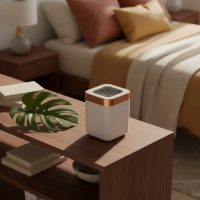
There’s nothing quite like a peaceful evening outdoors, enjoying your patio or backyard. But let’s be honest, those serene moments can quickly turn into a swatting frenzy when uninvited insect guests decide to join the party. That’s where a reliable bug zapper light outdoor comes into play, transforming your living space into a haven free from buzzing nuisances. At JRDiy, with over 15 years of hands-on experience, we’ve seen countless pest battles won and lost, and we’re here to guide you through selecting and optimizing the perfect outdoor bug zapper.
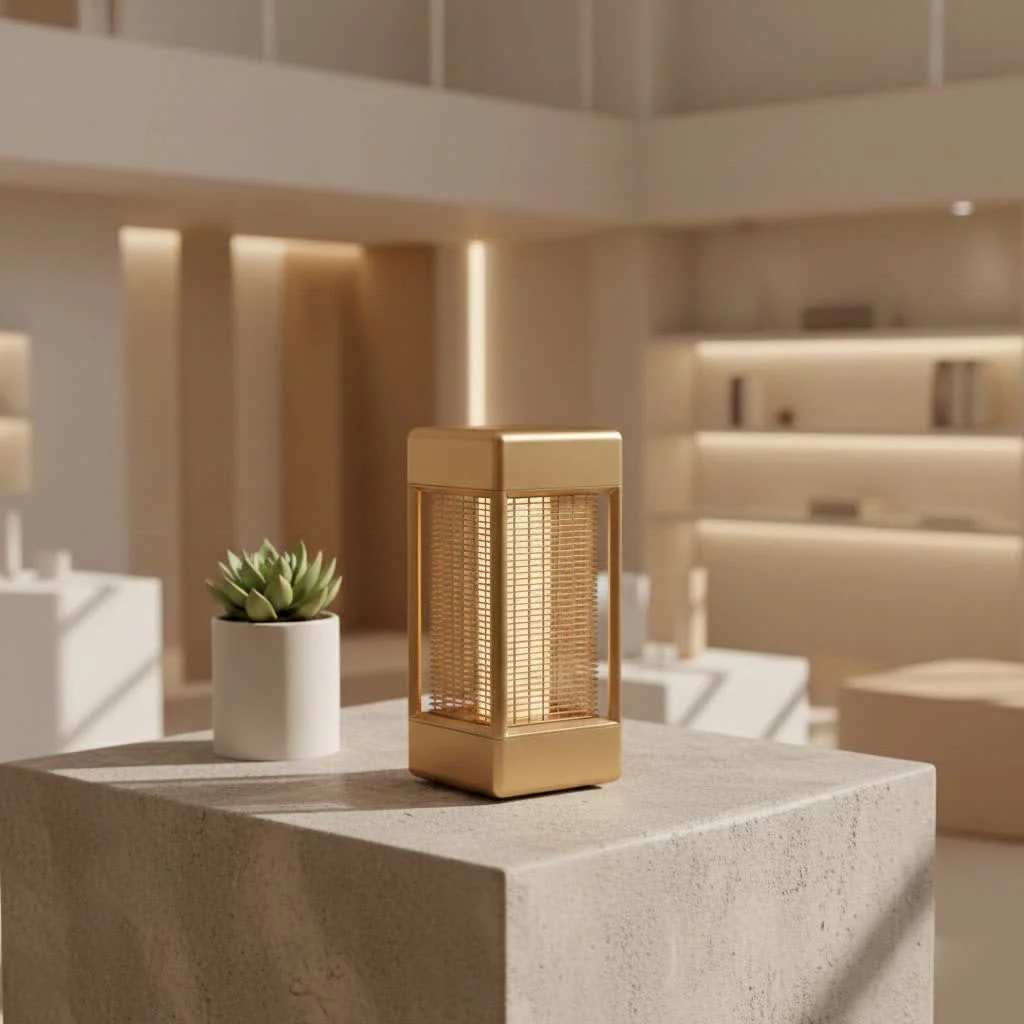
Unveiling the Bug Zapper Light Outdoor: How They Work Their Magic
At its core, a bug zapper light outdoor operates on a surprisingly simple yet effective principle: attraction and elimination. These devices typically use ultraviolet (UV) or, increasingly, LED lights to emit wavelengths that are irresistible to many flying insects. Imagine a lighthouse for bugs, drawing them in from the surrounding darkness. Once these unsuspecting pests venture close enough, they encounter an electrified wire grid surrounding the light source. Zap! A quick, high-voltage shock instantly eliminates them, sending them into a collection tray below or allowing them to drop to the ground.
While the basic mechanism remains the same, outdoor bug zappers are distinctly different from their indoor counterparts. They are built to withstand the elements, often featuring robust, weather-resistant materials, and boast significantly higher voltage grids and larger coverage areas to tackle the broader array of pests found in your backyard.
Why You Need an Outdoor Bug Zapper Light: Benefits Beyond the Buzz
Investing in an outdoor bug zapper light isn’t just about killing bugs; it’s about reclaiming your outdoor lifestyle. Here’s how these handy devices bring tangible benefits:
- Reclaiming Your Space: Say goodbye to mosquitoes, flies, and moths disrupting your barbecues, pool parties, or quiet evenings on the porch. A well-placed bug zapper creates a protected zone, allowing you to relax and entertain in peace.
- Reduced Chemical Reliance: For those seeking eco-friendlier pest control solutions, bug zappers offer a chemical-free alternative. You won’t be spraying harmful insecticides around your family, pets, or garden.
- Instant Gratification: There’s a certain satisfaction in hearing that distinct “zap” as another pest meets its end. It’s a clear, immediate sign that the device is working and your outdoor area is becoming more comfortable.
- Targeted Pest Reduction: While often generalized, outdoor bug zapper lights are particularly effective against many night-flying insects like moths, gnats, beetles, and certain types of flies. When combined with specific attractants, their efficacy against mosquitoes can also be significantly boosted.
Navigating the Options: Types of Bug Zapper Lights for Your Outdoor Space
The market offers a variety of outdoor bug zapper light models, each with its own advantages. Understanding the differences will help you choose the best fit for your needs:
Electric Plug-in Bug Zappers
|
Our Picks for the Best Bug Zapper in 2026
As an Amazon Associate I earn from qualifying purchases.
|
||
| Num | Product | Action |
|---|---|---|
| 1 | BugMD Fruit Fly Trap Indoor for Safer Home, Gnat Traps for House Indoor, Gnat Killer, Plug in Bug Catcher, Fly Trap, Insect Traps, Fruit Fly Killer |

|
| 2 | FVOAI Bug Zapper Outdoor, Mosquito Zapper, Fly Zapper, Insect Zapper Electric Fly Traps for 1/2 Acre, Indoor Outdoor Use with 3 Prong Plug-in,4200V, ABS Plastic Outer, Black |
|
| 3 | YISSVIC Bug Zapper Outdoor Indoor Waterproof Electric Mosquito Lamp Fly Zapper Killer Effective 4200V Plug in for Home Patio Office Courtyard (One-Light Control Bug Zapper) |
|
| 4 | DEVOGUE® Electric Fly Swatter Bug Zapper Battery Operated Flies Killer Indoor & Outdoor Pest Control Mosquito Zapper and Insect Catcher Racket |
|
| 5 | Bug Zapper Outdoor, Mosquito Zapper Indoor with Dusk to Dawn Light Sensor, 4000V Electric Fly Zapper, Waterproof Mosquito Killer, Fly Trap for Home, Patio, Kitchen, Garden - 9.8 FT Length Cable |
|
| 6 | Flowtron Bug Zapper, 1 Acre of Outdoor Coverage with Powerful 40W Bulb & 5600V Instant Killing Grid, Electric Insect, Fly & Mosquito Zapper, Made in The USA |
|
| 7 | LiBa Electric Bug Zapper, Indoor Insect Killer - (2) Extra Replacement Bulbs - Fly, Mosquito Killer and Repellent - Lightweight, Powerful 2800V Grid, Easy-to-Clean, with a Removable Washable Tray. |
|
| 8 | ASPECTEK Insect Killer, Bug Zapper, Powerful 20W Electronic Indoor Fly Zapper, Mosquito Killer-Indoor Use Including Free 2 Pack Replacement Bulbs |
|
| 9 | GOOTOP Bug Zapper Outdoor, Mosquito Zapper, 3 Prong Plug in Electric Fly Zapper, Mosquito Killer, Fly Traps, Flying Insects Zapper Indoor Outdoor 90-130V, 4200V, ABS Plastic Outer (Black) |
|
| 10 | AMUFER Bug Zapper Outdoor Indoor, 18W Power & 4400V Instant Grid Mosquito Repellent, Insect Control Efficiency Increased 100%, 1/2 Acre Coverage, Fly Trap for Patio, Backyard, Home |
|
These are often the most powerful options, providing continuous operation and the largest coverage areas. They require a nearby outdoor electrical outlet, often paired with a heavy-duty, outdoor-rated extension cord. Their higher voltage grids are excellent for eliminating a wide range of insects across expansive yards.
Solar-Powered Bug Zappers
For those looking for ultimate portability and energy efficiency, solar bug zappers are a fantastic choice. They charge during the day and automatically illuminate at dusk, making them ideal for areas where electrical outlets are scarce. While convenient and environmentally friendly, their power and coverage might be less robust than plug-in models, making them better suited for smaller areas or as supplementary units.
Battery-Operated/Rechargeable Bug Zappers
Offering a balance between power and portability, these units are perfect for camping trips, picnics, or temporary setups. They provide flexibility in placement but require regular recharging, meaning they might not offer all-night protection without a power source.
Choosing Your Ideal Outdoor Bug Zapper Light: Key Considerations
Selecting the perfect bug zapper light outdoor requires a bit more thought than just picking the first one you see. Here’s what my 15 years of testing different models have taught me:
Coverage Area: Size Matters!
Think about the size of the area you want to protect. Bug zappers specify their coverage in square feet or even acres. A small patio might only need a 500-1,000 sq. ft. unit, while a large backyard or commercial space could demand a zapper covering 1 acre or more. Choosing the right coverage ensures optimal performance and prevents you from feeling underwhelmed by the results.
Power Source & Voltage: Match Your Needs
Consider your access to electricity. If you have outdoor outlets, an electric plug-in model provides consistent, high-power performance. For remote locations or a greener approach, solar or battery-operated options offer flexibility, though you might sacrifice some intensity. Outdoor models typically operate at higher voltages (e.g., 4,000V to 5,000V or more) to ensure effective elimination of larger, tougher insects.
Weather Resistance & Durability: Built for the Outdoors
Your outdoor bug zapper light will face sun, rain, and possibly even snow. Look for models constructed from durable materials like polycarbonate or stainless steel, often with an IP (Ingress Protection) rating, which indicates their resistance to dust and water. A weatherproof design ensures longevity and reliable operation season after season.
Safety Features: Protect Your Loved Ones
Safety is paramount. Ensure the bug zapper has a protective outer cage or screen that prevents accidental contact with the electrified grid, especially important if you have curious children or pets. Some advanced models even feature automatic shut-off mechanisms if tampered with.
Attractants (Especially for Mosquitoes): A Targeted Approach
While UV light attracts many insects, mosquitoes are often more drawn to CO2. Many high-quality outdoor bug zapper lights include an optional slot for octenol lures, which mimic human breath and significantly increase their effectiveness against mosquitoes. Remember, these lures need to be replaced every 30 days or so to maintain peak performance.
Ease of Maintenance: Keep it Clean and Zapping
A well-maintained zapper is an effective zapper. Look for models with easily removable collection trays for quick disposal of dead insects. A small brush is often included for cleaning the grid, which can get coated with insect debris, reducing efficiency. Also, consider models where UV bulbs can be easily replaced, as their attracting power diminishes over time.
Noise Level: Peace and Quiet
Some higher-voltage bug zappers can emit a noticeable “zap” sound. While often satisfying, continuous loud zapping might be disruptive in very quiet settings. Check reviews for mentions of noise if this is a concern for your outdoor enjoyment.
Expert Installation for Your Outdoor Bug Zapper Light: Placement is Key
The most powerful bug zapper won’t work effectively if it’s not placed correctly. Proper placement is crucial for drawing bugs away from your gathering areas and maximizing your bug zapper light outdoor’s performance.
- Distance from Activity Areas: Position your bug zapper at least 15 to 25 feet away from where people gather, eat, or sit. Remember, a bug zapper is an attractant; you want it to draw bugs away from you, not closer to your guests. Also, bug parts can sometimes fly out upon impact, and you don’t want that near food.
- Optimal Height: Hang your bug zapper about 5 to 7 feet off the ground. This height is generally ideal for attracting the widest range of flying insects and keeps it out of reach for children and pets.
- Access to Power: For electric models, ensure you have a convenient outdoor electrical outlet. If an extension cord is necessary, always use a heavy-duty, outdoor-rated cord and secure it safely to prevent tripping hazards or damage.
- Avoid Competing Lights: Place your bug zapper in a relatively dark area, away from other bright outdoor lights like porch lamps, string lights, or windows. The zapper’s light needs to be the dominant attraction for insects.
- Mounting Options: Sturdy shepherd’s hooks, decorative hanging brackets secured to fences or posts, or even strong tree branches are excellent choices for hanging your outdoor bug zapper light. Always ensure the mounting point can securely hold the weight of the unit.
Maximizing Effectiveness and Ensuring Safety with Your Outdoor Bug Zapper Light
You’ve chosen and installed your bug zapper light outdoor, now let’s make sure it’s doing its absolute best and keeping everyone safe.
- Regular Cleaning is Non-Negotiable: Dead bugs accumulating on the grid can reduce the zapper’s effectiveness. Unplug the unit, then use the provided brush or a stiff-bristled brush to regularly clear the grid and empty the collection tray.
- Timely Lure Replacement: If your model uses octenol lures for mosquitoes, mark your calendar to replace them every 30 days. Their effectiveness wanes quickly.
- Combine and Conquer: For truly comprehensive pest control, integrate your bug zapper with other methods. Eliminate standing water where mosquitoes breed, use citronella plants or other natural repellents, and ensure screens on windows and doors are intact.
- Electrical Safety First: Always unplug your bug zapper before cleaning or performing any maintenance. Ensure all electrical cords are in good condition, outdoor-rated, and away from water sources. Never operate a damaged unit.
“Many people think a bug zapper is a ‘set-it-and-forget-it’ device,” says Dr. Anya Sharma, lead entomologist at JRDiy Labs. “But like any effective tool, it performs best with a little attention. Strategic placement and consistent cleaning are game-changers for truly reclaiming your outdoor sanctuary.”
Common Troubleshooting for Outdoor Bug Zapper Lights
Even the best outdoor bug zapper light can sometimes run into minor issues. Here are quick fixes for common problems:
- Not Zapping or Attracting Bugs:
- Check power: Is it plugged in? Is the outlet working?
- Clean the grid: A buildup of dead insects can prevent the grid from functioning.
- Replace the bulb: UV bulbs lose their attraction power over time, even if they still light up.
- Relocate: Move it further from competing light sources or closer to areas with high insect activity (but still away from human gathering spots).
- Unit is On But Few Bugs are Zapped:
- Old attractant: Replace octenol lures if applicable.
- Placement issues: The zapper might be too close to you, attracting bugs to you first, or too far from insect breeding grounds.
- Unusual Noise (other than zapping):
- Unplug immediately and check for any obstructions or internal damage. If unsure, consult the manufacturer or a professional.
Maintaining Your Outdoor Bug Zapper Light for Years of Pest-Free Enjoyment
With proper care, your bug zapper light outdoor will serve you for many seasons.
- Bulb Replacement: UV bulbs generally need to be replaced annually for optimal insect attraction, typically at the beginning of peak insect season.
- Thorough Cleaning: Beyond regular clearing of the collection tray, give your unit a deeper clean at least once a month during heavy use. Use a can of compressed air for hard-to-reach grid areas after unplugging.
- Off-Season Storage: When the bug season ends, clean your zapper thoroughly, remove the bulb (if recommended by the manufacturer), and store it in a dry, protected place like a shed or garage to prevent damage from harsh winter weather.
Frequently Asked Questions (FAQ)
1. Are bug zappers effective against mosquitoes?
While bug zappers attract many flying insects, their effectiveness against mosquitoes alone is limited without specialized attractants. Many studies show mosquitoes are more drawn to carbon dioxide and specific chemical lures like octenol. For optimal mosquito control, choose an outdoor bug zapper light that uses or can be enhanced with an octenol lure, and combine it with other mosquito control strategies.
2. How far away should a bug zapper be from my patio?
You should place your outdoor bug zapper light at least 15 to 25 feet away from your patio, deck, or any main gathering areas. This ensures the zapper draws insects away from where you and your guests are enjoying yourselves, rather than attracting them closer.
3. Do bug zappers kill beneficial insects?
Yes, bug zappers are largely indiscriminate and will kill any insect attracted to their light source, including beneficial ones like moths, beetles, and some pollinators. This is why strategic placement away from gardens and human activity is crucial to minimize the impact on non-target species.
4. How often should I clean my outdoor bug zapper?
During peak insect season, it’s advisable to clean the collection tray daily and brush the electrified grid at least once a week. Unplug the bug zapper light outdoor before cleaning. Regular cleaning maintains optimal performance and prevents odor or health issues.
5. What’s the difference between UV and LED bug zappers?
Traditional bug zappers use fluorescent UV bulbs, which emit a broad spectrum of ultraviolet light. Newer models often incorporate LED technology, which can be more energy-efficient, last longer, and allow for more targeted light wavelengths to attract specific insect types. Both can be effective, but LED options offer advantages in durability and power consumption.
6. Can I leave my outdoor bug zapper in the rain?
Most outdoor bug zapper lights are designed to be weather-resistant and can withstand light rain. However, it’s always best to check the manufacturer’s IP rating for specific water resistance levels. For heavy downpours or prolonged periods of harsh weather, it’s a good practice to cover or temporarily move your zapper to a sheltered location to ensure its longevity.
7. How do I know what size bug zapper I need?
Determine the square footage of the outdoor area you want to protect. Bug zapper packaging will typically specify the coverage area (e.g., 1/2 acre, 1,500 sq. ft.). Choose a unit with a coverage area that matches or slightly exceeds your needs for the most effective pest control.
Conclusion
A well-chosen and properly deployed bug zapper light outdoor can be a game-changer for enjoying your yard without the constant annoyance of flying insects. From understanding how they work to selecting the right type, considering crucial features, and mastering installation and maintenance, you now have the insights to create a truly pest-free environment. Embrace the power of the zap and reclaim your outdoor living spaces with confidence. For more expert tips and the latest in pest control technology, keep an eye on JRDiy.com – your trusted source for all things bug zapper and outdoor living!
Get our weekly buyer guide
Practical specs, not advice. Unsubscribe anytime.