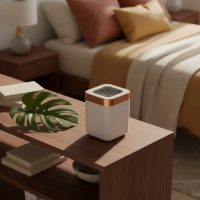
For over 15 years, I’ve been immersed in the world of insect control, specifically the fascinating technology behind bug zapper lights. Here at JRDiy.com, we believe that understanding your tools is the first step to a truly effective, pest-free living space. So, if you’ve ever wondered how these devices work their magic, how to pick the right one, or simply how to keep them running smoothly, you’re in the right place. Let’s illuminate the path to saying goodbye to those buzzing nuisances with the right bug zapper light.
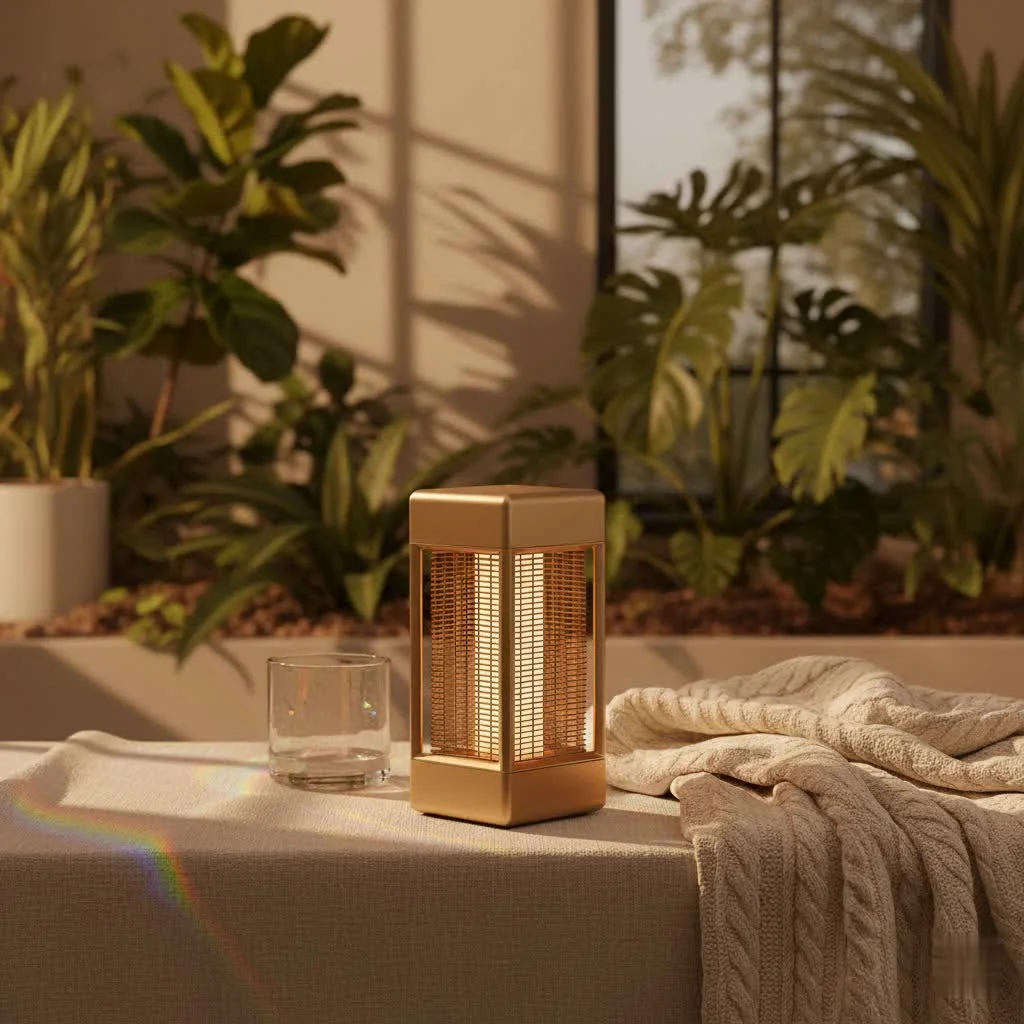
What Exactly is a Bug Zapper Light and How Does It Work?
At its core, a bug zapper light, formally known as an electrical discharge insect control system, is a brilliant piece of engineering designed to lure and eliminate flying insects. Imagine a lighthouse for bugs, but with a surprising “zap” at the end! For expert bug zapper reviews on this site.
The science is quite clever: most flying insects, from bothersome gnats and fruit flies to many types of moths, possess photoreceptors highly sensitive to ultraviolet (UV) light, particularly in the UV-A spectrum (around 350-400nm). This specific wavelength mimics natural light sources that insects are instinctively drawn to. The bug zapper light emits this attractive glow, drawing insects closer.
Once an insect is sufficiently enticed and makes contact with the device, it encounters a high-voltage electrified grid. This grid consists of two interleaved bare wires with a significant voltage difference between them. When the insect bridges this gap, its body completes an electrical circuit, resulting in a swift electrocution. This is the characteristic “zap” sound you hear, an audible confirmation of a pest eliminated. Modern bug zapper lights often house these grids within protective cages to ensure safety for humans and larger animals, with gaps typically small enough (≤2mm) to prevent accidental contact.
While the fundamental principle remains the same since its early patents, innovations continue. Some bug zapper lights now integrate features like fans to draw insects into a collection trap or incorporate additional attractants such as Octenol or even carbon dioxide. These supplementary lures are particularly crucial for species like mosquitoes, which, as we’ll discuss, aren’t always as keen on UV light alone.
Types of Bug Zapper Lights: Finding Your Perfect Match
Just like choosing the right tool for a DIY project, selecting the appropriate bug zapper light depends heavily on your specific needs and environment. Here at JRDiy, we’ve tested countless models, and I can tell you there’s a world beyond the classic backyard lantern.
1. The Classic Electric Grid Zapper
|
Our Picks for the Best Bug Zapper in 2026
As an Amazon Associate I earn from qualifying purchases.
|
||
| Num | Product | Action |
|---|---|---|
| 1 | Bug Zapper Outdoor, Mosquito Zapper Indoor with Dusk to Dawn Light Sensor, 4000V Electric Fly Zapper, Waterproof Mosquito Killer, Fly Trap for Home, Patio, Kitchen, Garden - 9.8 FT Length Cable |

|
| 2 | DEVOGUE® Electric Fly Swatter Bug Zapper Battery Operated Flies Killer Indoor & Outdoor Pest Control Mosquito Zapper and Insect Catcher Racket |
|
| 3 | BugMD Fruit Fly Trap Indoor for Safer Home, Gnat Traps for House Indoor, Gnat Killer, Plug in Bug Catcher, Fly Trap, Insect Traps, Fruit Fly Killer |
|
| 4 | LiBa Electric Bug Zapper, Indoor Insect Killer - (2) Extra Replacement Bulbs - Fly, Mosquito Killer and Repellent - Lightweight, Powerful 2800V Grid, Easy-to-Clean, with a Removable Washable Tray. |
|
| 5 | AMUFER Bug Zapper Outdoor Indoor, 18W Power & 4400V Instant Grid Mosquito Repellent, Insect Control Efficiency Increased 100%, 1/2 Acre Coverage, Fly Trap for Patio, Backyard, Home |
|
| 6 | Flowtron Bug Zapper, 1 Acre of Outdoor Coverage with Powerful 40W Bulb & 5600V Instant Killing Grid, Electric Insect, Fly & Mosquito Zapper, Made in The USA |
|
| 7 | YISSVIC Bug Zapper Outdoor Indoor Waterproof Electric Mosquito Lamp Fly Zapper Killer Effective 4200V Plug in for Home Patio Office Courtyard (One-Light Control Bug Zapper) |
|
| 8 | ASPECTEK Insect Killer, Bug Zapper, Powerful 20W Electronic Indoor Fly Zapper, Mosquito Killer-Indoor Use Including Free 2 Pack Replacement Bulbs |
|
| 9 | GOOTOP Bug Zapper Outdoor, Mosquito Zapper, 3 Prong Plug in Electric Fly Zapper, Mosquito Killer, Fly Traps, Flying Insects Zapper Indoor Outdoor 90-130V, 4200V, ABS Plastic Outer (Black) |
|
| 10 | FVOAI Bug Zapper Outdoor, Mosquito Zapper, Fly Zapper, Insect Zapper Electric Fly Traps for 1/2 Acre, Indoor Outdoor Use with 3 Prong Plug-in,4200V, ABS Plastic Outer, Black |
|
This is what most people picture: a light source (usually UV fluorescent or LED) surrounded by an electrified grid. These are highly effective for a wide range of flying insects attracted to light.
- Pros: Powerful, immediate kill, often available for large coverage areas.
- Cons: Can create “bug mist” (small insect particles), not always effective against mosquitoes, can kill beneficial insects.
2. UV Light and Fan Traps
These devices use UV light to attract insects, but instead of an electric grid, they employ a quiet fan to suck the insects into a removable collection trap. The insects then dehydrate and die within the trap.
- Pros: Quieter, no “zap” sound, often considered cleaner (no bug mist), effective for indoor use against smaller pests like gnats and fruit flies.
- Cons: Slower kill, requires emptying traps, may not be as powerful for larger flying insects.
3. Portable and Rechargeable Bug Zappers
Perfect for adventurers, campers, or those needing a mobile solution, these battery-operated or solar-powered units offer flexibility. Many come in lantern-style designs and some even double as regular ambient lights.
- Pros: Highly versatile, great for camping, patios, or small outdoor gatherings, often USB-rechargeable.
- Cons: Limited coverage area, battery life can be a factor, typically less powerful than corded units.
4. Handheld Bug Zapper Rackets
While not “lights” in the traditional sense, these handheld devices use a similar electrified grid technology, allowing you to actively swat and zap individual insects. Some even feature a small LED light to help locate pests in the dark.
- Pros: Instant gratification, active control, great for specific pests that are hard to reach.
- Cons: Requires manual effort, only targets one bug at a time, not a passive solution.
5. Specialized Mosquito Traps (Often with Light)
These often combine UV light with other powerful attractants like Octenol cartridges (which mimic human breath and sweat) or CO2 emission. Since mosquitoes are less attracted to UV light alone, these multi-pronged approaches are designed to be more effective for mosquito control.
- Pros: Enhanced effectiveness against mosquitoes, often cover larger areas.
- Cons: Requires regular replacement of attractant cartridges, can be more expensive.
How to Choose the Right Bug Zapper Light for Your Needs
Selecting the ideal bug zapper light involves a bit more than just grabbing the first one you see. As a JRDiy expert, I always advise considering these critical factors:
1. Indoor vs. Outdoor Use
This is perhaps the most important distinction.
- Indoor Bug Zapper Light: Typically smaller, quieter, and designed to minimize “bug mist.” Fan traps (like the Zevo or Katchy) are excellent choices for kitchens, living rooms, and bedrooms, offering a cleaner experience. Look for models with easy-to-clean collection trays.
- Outdoor Bug Zapper Light: Needs to be robust, weather-resistant (at least damp-safe, though fully waterproof is better), and cover a larger area. They are generally more powerful and often louder with their “zap.” Placement is key here – more on that soon!
2. Coverage Area
Bug zappers are rated for specific coverage areas, often in square feet or acres. Don’t underestimate this! A unit rated for 250 sq. ft. won’t make a dent in a half-acre yard. Measure your space and choose accordingly. For large yards, you might even need multiple units strategically placed. “In my experience, trying to use a small zapper for a large area is like trying to empty a swimming pool with a teacup,” says Alex Chen, our lead product tester at JRDiy. “It just won’t cut it.”
3. Power Source
- Corded: The most powerful option, ideal for stationary outdoor or indoor use. Be mindful of cord length; many outdoor models have short cords, requiring an extension cord (ensure it’s rated for outdoor use).
- Battery-Powered: Offers portability, great for camping or temporary setups. Check battery life and recharge time.
- Solar-Powered: Eco-friendly and convenient for remote outdoor areas where outlets aren’t available. Performance can vary based on sunlight exposure.
- USB-Powered: Common for smaller, indoor fan traps or portable units, offering flexible charging options.
4. Attractant Type and Effectiveness
Traditional UV bug zappers are fantastic for many light-attracted insects. However, if mosquitoes are your primary target, a UV-only unit might disappoint.
- UV Light Only: Best for flies, moths, gnats, and fruit flies.
- UV Light + Octenol/CO2: Significantly more effective for mosquitoes, as these attractants mimic what draws mosquitoes to humans. Remember to replace Octenol cartridges periodically (e.g., every 30 days) for continuous effectiveness.
5. Safety Features
A bug zapper light uses high voltage, so safety is paramount.
- Protective Cages: Ensure the outer cage has small enough gaps (ideally ≤2mm) to prevent children or pets from inadvertently touching the electrified grid.
- Sturdy Construction: Especially for outdoor units, look for durable, weather-resistant materials.
6. Ease of Cleaning and Maintenance
No one wants a device that’s a chore to maintain.
- Removable Collection Trays: Essential for hassle-free disposal of zapped insects.
- Washable Grids: Some models allow for water cleaning, a huge convenience.
- Bulb Replacement: Check if replacement bulbs are readily available and easy to install.
Installation and Safe Use of Your Bug Zapper Light
Once you’ve chosen your bug zapper light, proper installation and safe usage are crucial for both effectiveness and peace of mind. Here are my top tips from years in the field:
Optimal Placement is Key
This is where many people make a common mistake! You might think placing a bug zapper right next to your patio table is a good idea. It’s not.
- Distance from People: Always place outdoor bug zapper lights at least 20-25 feet away from areas where people gather, such as patios, decks, or outdoor dining spaces. The goal is to draw insects away from you, not attract them to your immediate vicinity before they get zapped.
- Height: Hang the zapper at a height of 5-7 feet off the ground. This height is generally optimal for intercepting flying insects while keeping it out of reach of small children and pets.
- Strategic Location: Place it in a darker area, away from competing light sources (like porch lights), where insects naturally congregate or fly. Near dense foliage or standing water (mosquito breeding grounds) can be effective, provided it’s still away from your living spaces.
- Indoor Placement: For indoor fan traps, place them in areas with high insect activity, such as kitchens (for fruit flies) or near entryways.
Safety First
- Outdoor Rating: Ensure any outdoor bug zapper light is explicitly rated for outdoor use, especially concerning moisture resistance. Never use an indoor-only unit outside where it could be exposed to rain.
- Power Cords: If using an extension cord, make sure it’s rated for outdoor use and properly grounded. Avoid running cords across walkways where they could be a tripping hazard.
- Children and Pets: The protective cage is your first line of defense. Regularly inspect it for damage. Teach children not to touch the device.
- Food Preparation Areas: Absolutely avoid placing bug zappers near food preparation or dining areas. The “bug mist” created upon electrocution can contain insect fragments and potential pathogens, which could contaminate food or surfaces up to several feet away.
- Water Sources: Keep electric bug zappers away from pools, ponds, and other water bodies to prevent electrocution risks.
Maintenance Tips to Extend the Life of Your Bug Zapper Light
A little care goes a long way in ensuring your bug zapper light remains a formidable insect-fighting ally for years. Based on countless hours of testing and practical use, here’s how to keep it in prime condition:
1. Regular Cleaning of the Collection Tray
This is perhaps the most frequent task. Dead insects accumulate in the collection tray at the bottom of the unit.
- Frequency: Depending on insect activity, empty and clean the tray daily or every few days.
- Method: Always unplug the unit first! Remove the tray, discard the contents, and wash it with warm, soapy water. Rinse thoroughly and dry completely before reinserting. Some units have dishwasher-safe trays.
2. Cleaning the Grid
Over time, insect remnants can build up on the electrified grid, reducing its effectiveness and potentially causing short circuits.
- Frequency: Clean the grid every 1-2 weeks, or more often if activity is high.
- Method: Always unplug the zapper before cleaning! Use a small, non-metallic brush (like an old toothbrush or a stiff paint brush) to gently brush away debris from the grid wires. Never use water or wet cloths directly on the electrical grid unless the manufacturer explicitly states it’s safe for that specific model. Some high-quality outdoor units are designed for water rinsing, but always verify.
3. Replacing Bulbs
The UV light bulb is the heart of your bug zapper’s attraction power.
- Lifespan: UV fluorescent bulbs typically last about 2,000-3,000 hours, or roughly one season of continuous use. Even if they still glow, their UV output (which attracts bugs) diminishes over time. LED UV bulbs have a much longer lifespan.
- Replacement: Consult your owner’s manual for the correct replacement bulb type and wattage. Always unplug the unit and allow it to cool before attempting bulb replacement. Handle new bulbs carefully; oily fingerprints can shorten their life.
- Octenol Cartridges: If your unit uses Octenol attractants for mosquitoes, remember these need to be replaced roughly every 30 days for maximum effectiveness.
4. Weather Protection
For outdoor units, while many are designed to be weather-resistant, extreme conditions can take a toll.
- Severe Weather: During heavy storms, high winds, or freezing temperatures, it’s best to bring your bug zapper indoors or cover it.
- Off-Season Storage: Clean the unit thoroughly, remove bulbs and attractants, and store it in a dry, protected place during the off-season.
5. Inspect for Damage
Periodically check the unit for any signs of wear and tear:
- Casing: Look for cracks or damage to the plastic or metal casing.
- Cords: Inspect power cords for fraying or exposed wires.
- Grid: Ensure the protective outer grid is intact and not bent, which could create larger gaps.
By following these simple maintenance steps, your bug zapper light will serve you reliably, keeping your environment more enjoyable.
Common Issues and Troubleshooting Your Bug Zapper Light
Even the most reliable bug zapper light can sometimes run into a hitch. With my years of experience, I’ve seen and fixed almost every issue. Here are some common problems and how to troubleshoot them:
1. My Bug Zapper Isn’t Zapping Anymore (But the Light is On)
- Problem: The UV light is working, but insects aren’t being electrocuted.
- Likely Cause: The electrical grid is clogged with dead insects or debris, preventing a clear circuit.
- Solution: UNPLUG THE UNIT IMMEDIATELY. Use a dry, non-metallic brush to carefully clear any debris from between the grid wires. If the problem persists, the high-voltage transformer might be failing, which usually requires professional repair or replacement of the unit.
2. The Light Isn’t Turning On
- Problem: The bug zapper light is completely unresponsive.
- Likely Cause: No power, or a burnt-out bulb.
- Solution:
- Check if the unit is properly plugged into a working outlet. Test the outlet with another device.
- If using an extension cord, ensure it’s functioning correctly.
- UNPLUG THE UNIT. Check the UV bulb. If it’s old, discolored, or appears broken, replace it with a new one according to the manufacturer’s instructions.
- If a new bulb doesn’t work, there might be an internal wiring issue or a faulty starter (if applicable for fluorescent bulbs), which typically means the unit needs repair or replacement.
3. Fewer Bugs Are Being Attracted
- Problem: The zapper is on, working, but the insect count is low.
- Likely Cause: Diminished UV light output, incorrect placement, or targeting the wrong type of insect.
- Solution:
- Replace the UV bulb. Even if it still glows, the UV spectrum that attracts insects degrades over time.
- Re-evaluate placement. Is it too close to other lights? Is it too close to people? Move it to a darker, more strategic location away from human activity.
- Consider attractants. If mosquitoes are the target, ensure you’re using Octenol cartridges (and replacing them regularly) or a CO2-emitting model.
- Clean the unit. A dirty bulb or grid can also reduce attraction and effectiveness.
4. The Zapper is Making a Constant Buzzing Sound
- Problem: A continuous, low buzzing noise rather than individual “zaps.”
- Likely Cause: A partial short circuit on the grid, often due to a large insect trapped between the wires, or moisture.
- Solution: UNPLUG THE UNIT. Carefully inspect the grid for any large insect bodies that might be stuck or for any signs of moisture. Brush away any blockages. If the buzzing persists after cleaning and drying, there might be an internal electrical fault, requiring professional attention.
5. “Bug Mist” is a Problem
- Problem: Visible fragments of electrocuted insects floating in the air.
- Likely Cause: Inherent nature of electric grid zappers, especially with larger insects.
- Solution:
- Relocate the zapper. Place it further away from human activity, at least 25 feet.
- Consider a different type of trap for indoor use. Fan-based traps don’t produce bug mist and are a cleaner option for indoor spaces.
- There’s no complete way to eliminate bug mist with a traditional electric grid zapper, so strategic placement is your best bet.
By approaching troubleshooting methodically and always prioritizing safety (unplugging before any hands-on work), you can usually resolve most bug zapper light issues and get back to enjoying a pest-reduced environment.
Frequently Asked Questions About Bug Zapper Lights
As an expert at JRDiy, I often get asked similar questions about bug zapper lights. Here are some of the most common ones:
Q1: Are bug zapper lights effective against mosquitoes?
A1: Traditional bug zapper lights that rely solely on UV light are generally not very effective against mosquitoes. Mosquitoes are more attracted to carbon dioxide (CO2), lactic acid, and other compounds in human breath and sweat. For better mosquito control, look for bug zappers that incorporate Octenol cartridges or emit CO2 in addition to UV light.
Q2: Is it safe to use a bug zapper light indoors?
A2: Yes, certain bug zapper lights are specifically designed for indoor use. These often include fan-based traps that suck insects into a container rather than electrocuting them, which avoids “bug mist.” If using an electric grid zapper indoors, ensure it has a small gap protective cage and avoid placing it near food prep areas.
Q3: How far away should a bug zapper light be from people?
A3: For outdoor use, a bug zapper light should be placed at least 20-25 feet away from areas where people gather, such as patios or decks. This prevents the zapper from attracting bugs towards you and ensures any “bug mist” or insect fragments are not near humans or food.
Q4: Do bug zappers kill beneficial insects?
A4: Unfortunately, traditional bug zapper lights are indiscriminate. They attract and kill any flying insect sensitive to UV light, which can include beneficial insects like moths (pollinators) or predatory insects that help control other pests. This is a common concern regarding their environmental impact.
Q5: How often should I replace the bulb in my bug zapper light?
A5: UV fluorescent bulbs in bug zapper lights should typically be replaced every season or after about 2,000-3,000 hours of use, even if they still appear to be glowing. The UV output, which is what attracts insects, degrades over time, reducing effectiveness. LED UV bulbs have a much longer lifespan.
Q6: What’s the difference between a bug zapper and a mosquito trap?
A6: A bug zapper typically refers to a device using UV light and an electric grid to kill various flying insects. A mosquito trap, while sometimes incorporating UV light, often uses additional attractants like Octenol or CO2, specifically targeting mosquitoes which aren’t as strongly drawn to UV light alone.
Q7: Can bug zapper lights cause fires?
A7: When used according to manufacturer instructions, bug zapper lights are generally safe. However, like any electrical appliance, improper use, damaged cords, or faulty units could pose a fire risk. Always ensure outdoor units are rated for damp conditions and avoid overloading circuits.
Conclusion: Embrace a Brighter, Bug-Free Tomorrow with the Right Bug Zapper Light
Navigating the world of insect control can feel overwhelming, but with the right knowledge and tools, you can reclaim your indoor and outdoor spaces from bothersome bugs. The bug zapper light, in its various forms, remains a powerful ally in this fight. From understanding how their UV glow lures pests to mastering the art of placement and maintenance, you’re now equipped with the expertise to make informed decisions.
Here at JRDiy, our mission is to empower you to create a more comfortable and enjoyable living environment. By thoughtfully selecting, safely installing, and diligently maintaining your bug zapper light, you’re not just buying a device – you’re investing in peace of mind. So go ahead, choose wisely, set it up right, and let your bug zapper light do its job, leaving you to enjoy a genuinely pest-free existence. Happy zapping!
Get our weekly buyer guide
Practical specs, not advice. Unsubscribe anytime.