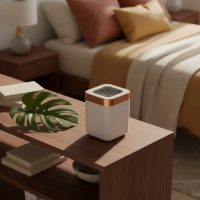
There’s nothing quite like spending a beautiful evening outdoors, whether you’re camping under a starry sky, enjoying a backyard barbecue, or simply relaxing on your patio. But let’s be honest, those pesky flying insects can quickly turn a peaceful moment into a swatting frenzy. That’s where the battery powered bug zapper swoops in as your ultimate defense, offering freedom from outlets and the flexibility to banish bugs wherever you roam. As someone who’s been zapping bugs for over 15 years and helping folks at JRDiy.com choose the right tools, I can tell you that these portable powerhouses are game-changers for anyone serious about reclaiming their personal space from the buzzing menace.

What Makes Battery Powered Bug Zappers Buzz? Understanding the Tech
At its core, a battery powered bug zapper operates on a surprisingly clever principle. It starts with an attractant, typically an ultraviolet (UV) light, which many flying insects find irresistible. Think of it as a beacon in the night, drawing moths, flies, and other winged pests towards it. Once these unsuspecting insects get close enough, they encounter a finely spaced, electrified metal grid. For see our bug zapper recommendations on this site.
Now, here’s where the “zap” happens. Inside the zapper’s housing, a small but mighty circuit takes the low DC voltage from the battery and amplifies it, typically to several thousand volts. When an insect touches both the inner and outer parts of this grid, it completes an electrical circuit, resulting in a swift, often audible, electrocution. It’s quick, efficient, and leaves no sticky mess like traditional fly swatters. The beauty of the battery-powered version lies in its internal components – often involving transformers, capacitors, and clever oscillating circuits – that generate this high-voltage spark from a portable power source. For safety, many units also include a “bleed resistor” to discharge any residual energy in the capacitor when the device is turned off, ensuring you don’t get an accidental shock.
Why Go Cordless? The Unbeatable Advantages of Battery Powered Bug Zappers
When it comes to bug control, portability is paramount for many situations, and battery powered bug zappers deliver this in spades. Their cordless nature opens up a world of possibilities that their plug-in counterparts simply can’t match.
First and foremost is unparalleled freedom and flexibility. Imagine camping deep in the wilderness, miles from the nearest power outlet, yet enjoying a mosquito-free zone around your tent. Or perhaps you’re hosting a garden party, and you want to place bug defense exactly where it’s needed, not just where an extension cord can reach. From your patio to an RV, a fishing trip, or even just a picnic in the park, these devices go wherever you do, silently standing guard against flying pests.
They also offer incredible versatility. Many modern battery-powered models are multi-functional, combining bug-zapping capabilities with useful features like LED lanterns. This means you get ambient lighting for your campsite or patio, plus effective insect control, all from a single portable unit. Some even come with auto on/off sensors that detect dusk and dawn, powering up only when bugs are most active and conserving battery life during the day.
Finally, there’s the often-overlooked benefit of enhanced safety. With no cords trailing across your yard or campsite, you eliminate tripping hazards, making your outdoor spaces safer for family and friends, especially in low light conditions.
Navigating the Options: Types of Battery Powered Bug Zappers
The world of battery powered bug zappers is more diverse than you might think, offering different styles to suit various needs and preferences. From actively swatting individual nuisances to passively clearing an area, there’s a portable solution for everyone.
Handheld Racket-Style Zappers
|
Our Picks for the Best Bug Zapper in 2026
As an Amazon Associate I earn from qualifying purchases.
|
||
| Num | Product | Action |
|---|---|---|
| 1 | LiBa Electric Bug Zapper, Indoor Insect Killer - (2) Extra Replacement Bulbs - Fly, Mosquito Killer and Repellent - Lightweight, Powerful 2800V Grid, Easy-to-Clean, with a Removable Washable Tray. |

|
| 2 | BugMD Fruit Fly Trap Indoor for Safer Home, Gnat Traps for House Indoor, Gnat Killer, Plug in Bug Catcher, Fly Trap, Insect Traps, Fruit Fly Killer |
|
| 3 | DEVOGUE® Electric Fly Swatter Bug Zapper Battery Operated Flies Killer Indoor & Outdoor Pest Control Mosquito Zapper and Insect Catcher Racket |
|
| 4 | AMUFER Bug Zapper Outdoor Indoor, 18W Power & 4400V Instant Grid Mosquito Repellent, Insect Control Efficiency Increased 100%, 1/2 Acre Coverage, Fly Trap for Patio, Backyard, Home |
|
| 5 | Bug Zapper Outdoor, Mosquito Zapper Indoor with Dusk to Dawn Light Sensor, 4000V Electric Fly Zapper, Waterproof Mosquito Killer, Fly Trap for Home, Patio, Kitchen, Garden - 9.8 FT Length Cable |
|
| 6 | YISSVIC Bug Zapper Outdoor Indoor Waterproof Electric Mosquito Lamp Fly Zapper Killer Effective 4200V Plug in for Home Patio Office Courtyard (One-Light Control Bug Zapper) |
|
| 7 | FVOAI Bug Zapper Outdoor, Mosquito Zapper, Fly Zapper, Insect Zapper Electric Fly Traps for 1/2 Acre, Indoor Outdoor Use with 3 Prong Plug-in,4200V, ABS Plastic Outer, Black |
|
| 8 | GOOTOP Bug Zapper Outdoor, Mosquito Zapper, 3 Prong Plug in Electric Fly Zapper, Mosquito Killer, Fly Traps, Flying Insects Zapper Indoor Outdoor 90-130V, 4200V, ABS Plastic Outer (Black) |
|
| 9 | ASPECTEK Insect Killer, Bug Zapper, Powerful 20W Electronic Indoor Fly Zapper, Mosquito Killer-Indoor Use Including Free 2 Pack Replacement Bulbs |
|
| 10 | Flowtron Bug Zapper, 1 Acre of Outdoor Coverage with Powerful 40W Bulb & 5600V Instant Killing Grid, Electric Insect, Fly & Mosquito Zapper, Made in The USA |
|
These are the direct descendants of the traditional fly swatter, but with a powerful, electrified twist. Shaped like a tennis racket, these devices allow for active pest control. You simply swing, and if a flying insect makes contact with the electrified mesh, you’ll hear a satisfying zap. They are excellent for targeting individual bugs like flies and mosquitoes that manage to get too close. Many handheld models are powered by disposable AA or AAA batteries, while others feature built-in rechargeable batteries. They’re lightweight, incredibly effective for immediate elimination, and offer a certain cathartic satisfaction in taking out pests yourself. They’re perfect for quick indoor use or actively clearing a small area outdoors.
Lantern & Freestanding Models
For broader, more passive bug control, lantern-style and freestanding battery powered zappers are the way to go. These units are designed to attract insects to them rather than relying on you to seek out the pests. They often feature a protective cage surrounding the UV light and electrified grid, making them safer to have around children and pets.
Many of these models are rechargeable, typically via a USB port, offering greater convenience and reducing waste compared to disposable batteries. A growing number also integrate solar charging panels, allowing them to power up during the day and run throughout the night, making them ideal for off-grid scenarios like camping or remote cabins. These versatile devices frequently double as LED lanterns, providing adjustable brightness settings that can serve as ambient lighting for your campsite or patio. They come in various sizes, from compact units designed for a tent to larger ones capable of covering a significant outdoor area.
Choosing Your Perfect Portable Pest Warrior: Key Considerations
Selecting the right battery powered bug zapper isn’t just about picking the first one you see. With over a decade and a half of hands-on experience, I’ve learned that the “best” zapper is the one that perfectly fits your needs. Here’s what to look for:
Battery Life & Charging: Powering Your Pest Patrol
This is crucial for any portable device. Consider:
- Disposable vs. Rechargeable: While disposable battery models are often cheaper upfront, rechargeable units (especially USB-C compatible ones) offer better long-term value, consistent power output, and reduced environmental impact.
- Charging Methods: Look for USB rechargeable models for easy powering from power banks, car chargers, or wall adapters. Solar-powered options are fantastic for ultimate off-grid independence, though their effectiveness depends on ample sunlight.
- Runtime: How long does it last on a single charge? Most offer several hours, but some advanced models with larger batteries or efficient designs can run all night. If it has a lantern function, check if running both the zapper and light simultaneously impacts runtime.
Coverage Area & Effectiveness: Zapping the Right Bugs in the Right Space
The size and power of the zapper dictate its effective range.
- Area Coverage: Manufacturers often specify the square footage or acreage a zapper can cover. Match this to your intended use – a small tabletop unit for a picnic won’t cut it for a large backyard.
- Insect Attraction: Most bug zappers use UV-A light. While highly effective for many flying insects like moths and certain flies, traditional UV-only zappers are less attractive to mosquitoes, which are more drawn to carbon dioxide (CO2) and heat. Some advanced models include octenol lures (a synthetic attractant that mimics human breath) or even CO2 emission to specifically target mosquitoes. If mosquitoes are your primary concern, look for these specialized features.
Durability & Weather Resistance: Built for the Great Outdoors
If you plan to use your zapper outdoors, it needs to withstand the elements.
- Construction Quality: Does it feel flimsy or robust? Pay attention to materials.
- Water Resistance: Look for IP ratings (e.g., IPX4) indicating splash or rain resistance. This is vital for camping or patio use where unexpected weather can occur.
Added Features: More Than Just a Zap
Modern battery powered bug zappers often come with handy extras:
- Lantern Function: Adjustable brightness LED lights are common, making the unit dual-purpose for illumination and pest control.
- Hanging Hooks/Handles: Essential for suspending the zapper from a tent, tree branch, or patio umbrella, which is often the most effective placement.
- Auto Sensors: Dusk-to-dawn sensors simplify operation by automatically turning the zapper on and off.
- Safety Cages: Ensure the outer mesh is spaced to prevent accidental contact with the electrified grid by curious fingers or paws.
Ease of Cleaning: Keeping Your Zapper Zapping
Dead insects can accumulate on the grid, reducing effectiveness.
- Removable Collection Trays: Many models have a tray at the bottom that catches zapped bugs, making disposal easy.
- Cleaning Brushes: Some units come with a small brush to safely clean the grid. Regular cleaning is key to maintaining peak performance.
Expert Tips for Optimal Use & Longevity
To get the most out of your battery powered bug zapper and ensure it serves you well for years, follow these expert guidelines, honed over countless battles with flying pests:
Placement for Maximum Effectiveness
The “where” is just as important as the “what.” Place your bug zapper away from where people are gathered, ideally 15-20 feet away. The goal is to draw bugs away from you, not attract them closer. For maximum reach, hang it at a height of 5-7 feet, or as high as safely possible, to allow its light to be seen from a wider area. If using it indoors, place it in a dark room with other lights off for optimal attraction.
Regular Cleaning for Peak Performance
Over time, dead insects and their debris will accumulate on the electrified grid, which can reduce the zapper’s efficiency. I recommend cleaning the grid regularly, especially after a particularly active night. Always make sure the zapper is turned off and disconnected from any power source before cleaning. Use a small, non-metallic brush (often included) or compressed air to gently remove debris. For models with collection trays, empty and clean them frequently.
Battery Maintenance for Lasting Power
- Rechargeable Batteries: If your zapper has a built-in rechargeable battery, try not to let it completely drain before recharging. To prolong battery life, charge it fully before extended periods of storage and top it up every few months if not in use.
- Disposable Batteries: Always use fresh, high-quality batteries. Remove disposable batteries if the unit won won’t be used for a long time to prevent corrosion.
Safety First
While battery powered bug zappers are designed with safety features, exercising caution is always wise. Keep units out of reach of small children and pets. Avoid touching the internal grid, even when off, until you’ve verified it’s fully discharged. As my colleague, John R. Davis, a senior electrical engineer at JRDiy, always advises, “Understanding the power, even in a small battery-operated device, is key to safe and effective use. Treat the grid with respect, and it will serve you well.”
Battery Powered vs. Plug-in: Which Zapper Reigns Supreme?
The choice between a battery powered and a plug-in bug zapper often boils down to a fundamental trade-off between portability and consistent power.
Plug-in bug zappers typically deliver a more consistent and often higher voltage output, making them highly effective against a wide range of insects, sometimes even larger or tougher ones. They can run continuously as long as they have a power source, offering uninterrupted pest control for extended periods. This makes them ideal for permanent outdoor installations in areas with readily available outlets, like a large backyard or a screened-in porch where continuous, maximum power is desired.
Battery powered bug zappers, on the other hand, excel in convenience and mobility. They free you from the constraints of cords and outlets, allowing you to deploy them precisely where bugs are bothering you – be it your picnic blanket, camping tent, or a remote corner of your yard. While their initial “zap” might not always be as potent or long-lasting as a plug-in unit (especially if using disposable batteries that deplete over time), modern rechargeable and solar-powered models offer significant improvements in consistent power delivery and extended runtimes.
Ultimately, neither reigns “supreme” in all scenarios. If you need robust, continuous bug control for a fixed location, a plug-in might be better. But for anyone prioritizing flexibility, ease of placement, and the ability to take their bug defense on the go, a battery powered bug zapper is the undisputed champion. Many outdoor enthusiasts, like myself, find that having both types provides the most comprehensive pest control strategy.
Common Questions About Battery Powered Bug Zappers
Q: Are battery powered bug zappers safe for pets and children?
A: Most battery powered bug zappers are designed with safety in mind, featuring protective outer cages that prevent direct contact with the electrified grid. The current is typically low enough to be harmless to humans and larger pets, though it can deliver an unpleasant shock. Always supervise children and keep zappers out of reach of curious hands and paws.
Q: Do battery powered bug zappers work on mosquitoes?
A: Traditional UV-light-only bug zappers are generally less effective against mosquitoes compared to other flying insects, as mosquitoes are primarily attracted to CO2 and heat. However, many advanced battery powered models now incorporate octenol lures or CO2 emitters, specifically designed to attract mosquitoes, significantly increasing their effectiveness against these notorious biters. Look for models explicitly stating mosquito control features.
Q: How often should I charge my rechargeable bug zapper?
A: This depends on the battery capacity and usage. For casual use, charging it fully after a few uses or before an extended outing is usually sufficient. For frequent or continuous use, charging daily or every other day might be necessary. Solar-powered units will top up their charge throughout the day as long as they receive sunlight. Always refer to your specific model’s manual for recommended charging practices.
Q: What’s the best way to clean my battery powered bug zapper?
A: Always turn the unit off and remove batteries or unplug before cleaning. Use a small brush (often included) or compressed air to gently dislodge dead insects from the electrified grid. For models with collection trays, empty and wash them regularly. Avoid using water directly on the electrical components.
Q: Can I use battery powered bug zappers indoors?
A: Yes, many battery powered bug zappers are perfectly safe and effective for indoor use, particularly the handheld racket-style zappers for active pest control, or smaller lantern-style units for passive attraction. They’re great for RVs, tents, or any room where flying insects have managed to sneak in, especially when you want to avoid pesticides.
The Portable Power of a Bug-Free Life
Embracing the convenience and effectiveness of a battery powered bug zapper is about more than just eliminating pests; it’s about reclaiming your outdoor (and indoor!) freedom. From serene camping trips to lively backyard gatherings, these portable powerhouses ensure that the only buzz you hear is the sound of good times, not annoying insects. With the right knowledge and a bit of practical care, your chosen portable pest warrior will stand guard, allowing you to enjoy every moment, bug-free. So go ahead, explore the world of cordless insect control at JRDiy.com, and share your bug-zapping adventures with us – we’re always eager to hear how you’re keeping your spaces pristine!
Get our weekly buyer guide
Practical specs, not advice. Unsubscribe anytime.