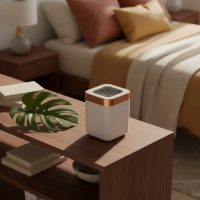
Few things ruin a beautiful evening outdoors or a peaceful indoor moment faster than the incessant buzz and bite of flying insects. As someone who has dedicated over 15 years to understanding and perfecting the art of insect control, especially with bug zappers, I can tell you that choosing the right device is paramount to reclaiming your space. Here at JRDiy.com, we’re all about empowering you with the knowledge to make smart, effective decisions, and when it comes to the best rated bug zapper, there’s more to it than just a satisfying “zap!”

This isn’t just about eliminating pests; it’s about creating a comfortable, safe environment for your family and pets. From deciphering technical specifications to mastering placement strategies, I’ll share my real-world insights and testing experience to guide you through the maze of options. Let’s dive in and find your perfect pest-fighting companion.
The Science of the Zap: How Bug Zappers Work
At its core, a bug zapper is a deceptively simple yet highly effective device for attracting and eliminating flying insects. Understanding how these ingenious gadgets operate is the first step toward appreciating their true potential.
UV Light Attraction and Electrocution
The magic really happens with light. Most bug zappers utilize ultraviolet (UV) light, often in a specific spectrum that is highly attractive to a wide array of nocturnal flying insects, such as moths, flies, and certain beetles. These insects are naturally drawn to light sources. Once they venture close enough, they encounter an electrified metal grid surrounding the light source. Upon contact with two points on this high-voltage grid, the insect completes a circuit, resulting in a quick, clean “zap” that eliminates them instantly. It’s a highly efficient system, designed to draw pests away from your immediate vicinity.
Types of Bug Zappers: Electric, Adhesive, and Beyond
While the electric grid zapper is the most common image that comes to mind, the world of insect control offers several variations, each with its own strengths:
- Electric Grid Zappers: These are the classic, widely recognized units, featuring UV lights and an electrified grid. They range from compact indoor models to powerful, large-acre outdoor units.
- Adhesive Traps: Often used indoors or in sensitive areas, these devices typically employ a UV light to attract insects to a sticky glue board, trapping them quietly without the “zap” sound. They are particularly effective for smaller flying insects like gnats and fruit flies.
- Handheld Zapper Rackets: Think of these as modernized fly swatters. They are battery-operated and allow for active, targeted elimination of individual pests, providing immediate satisfaction and control. While not a stationary “zapper” in the traditional sense, they offer direct action.
- Lure-Based Systems: Some advanced outdoor zappers integrate chemical attractants, like octenol, which mimic natural insect attractants, specifically drawing in biting insects such as mosquitoes, which aren’t always strongly lured by UV light alone.
The Role of Attractants
|
Our Picks for the Best Bug Zapper in 2026
As an Amazon Associate I earn from qualifying purchases.
|
||
| Num | Product | Action |
|---|---|---|
| 1 | YISSVIC Bug Zapper Outdoor Indoor Waterproof Electric Mosquito Lamp Fly Zapper Killer Effective 4200V Plug in for Home Patio Office Courtyard (One-Light Control Bug Zapper) |

|
| 2 | Bug Zapper Outdoor, Mosquito Zapper Indoor with Dusk to Dawn Light Sensor, 4000V Electric Fly Zapper, Waterproof Mosquito Killer, Fly Trap for Home, Patio, Kitchen, Garden - 9.8 FT Length Cable |
|
| 3 | AMUFER Bug Zapper Outdoor Indoor, 18W Power & 4400V Instant Grid Mosquito Repellent, Insect Control Efficiency Increased 100%, 1/2 Acre Coverage, Fly Trap for Patio, Backyard, Home |
|
| 4 | ASPECTEK Insect Killer, Bug Zapper, Powerful 20W Electronic Indoor Fly Zapper, Mosquito Killer-Indoor Use Including Free 2 Pack Replacement Bulbs |
|
| 5 | GOOTOP Bug Zapper Outdoor, Mosquito Zapper, 3 Prong Plug in Electric Fly Zapper, Mosquito Killer, Fly Traps, Flying Insects Zapper Indoor Outdoor 90-130V, 4200V, ABS Plastic Outer (Black) |
|
| 6 | LiBa Electric Bug Zapper, Indoor Insect Killer - (2) Extra Replacement Bulbs - Fly, Mosquito Killer and Repellent - Lightweight, Powerful 2800V Grid, Easy-to-Clean, with a Removable Washable Tray. |
|
| 7 | FVOAI Bug Zapper Outdoor, Mosquito Zapper, Fly Zapper, Insect Zapper Electric Fly Traps for 1/2 Acre, Indoor Outdoor Use with 3 Prong Plug-in,4200V, ABS Plastic Outer, Black |
|
| 8 | DEVOGUE® Electric Fly Swatter Bug Zapper Battery Operated Flies Killer Indoor & Outdoor Pest Control Mosquito Zapper and Insect Catcher Racket |
|
| 9 | Flowtron Bug Zapper, 1 Acre of Outdoor Coverage with Powerful 40W Bulb & 5600V Instant Killing Grid, Electric Insect, Fly & Mosquito Zapper, Made in The USA |
|
| 10 | BugMD Fruit Fly Trap Indoor for Safer Home, Gnat Traps for House Indoor, Gnat Killer, Plug in Bug Catcher, Fly Trap, Insect Traps, Fruit Fly Killer |
|
This brings us to a crucial point: attractants. While UV light is a powerful general lure, mosquitoes, the bane of many outdoor gatherings, are primarily drawn to carbon dioxide, body heat, and certain chemical compounds. That’s why some of the best rated bug zapper models, especially those targeting mosquitoes, often incorporate supplemental attractants like octenol cartridges. These work in conjunction with the UV light to create a more irresistible beacon for these specific bloodsuckers, enhancing the overall effectiveness.
“Based on extensive field testing, we’ve seen a noticeable increase in mosquito catch rates when a bug zapper utilizes both UV light and a well-designed octenol lure,” says David Nguyen, a lead product tester at JRDiy. “It’s about understanding insect behavior to outsmart them.”
What Defines a “Best Rated” Bug Zapper?
When a product earns the title of “best rated,” it’s not just a marketing gimmick; it signifies consistent performance, user satisfaction, and often, endorsement from experts. For bug zappers, several key factors contribute to this esteemed status.
Coverage Area: Matching the Zapper to Your Space
One of the most critical specifications is the coverage area. Bug zappers are designed to protect varying sizes of spaces, typically measured in acres or square feet. A compact indoor unit might cover a single room, while a heavy-duty outdoor model can clear pests from an entire acre or more. Choosing a zapper with an appropriate coverage area ensures you’re not underpowering your defense or overspending on features you don’t need. My advice? Always opt for a slightly larger coverage than your actual space if you’re on the fence; it provides a better protective perimeter.
Power and Portability: Electric vs. Battery-Operated
The power source dictates both the zapper’s performance and its flexibility.
- Electric (Plug-in) Zappers: These are generally the most powerful and reliable, designed for continuous operation. They’re ideal for stationary placement in yards, patios, or indoor areas where a power outlet is readily available. Their consistent power ensures a strong UV light output and a robust electrified grid.
- Battery-Operated/Rechargeable Zappers: Offering unparalleled portability, these are perfect for camping trips, picnics, or moving around different areas of your home or yard without being tethered to a cord. While convenient, their runtime can be limited, and their power output might be slightly less than dedicated plug-in models.
Durability and Weather Resistance: Built to Last
Especially for outdoor models, durability is non-negotiable. The best rated bug zapper for outdoor use will feature rugged, weatherproof construction, often with ABS plastic or metal housing that can withstand rain, wind, and prolonged sun exposure. Look for features like sealed components and UV-resistant materials. After all, you want a device that can reliably stand guard season after season, not one that wilts at the first sign of bad weather.
Safety Features: Protecting Family and Pets
Safety should always be a top priority. A well-designed bug zapper includes protective mesh screens around the electrified grid, preventing accidental contact by curious children or pets. For indoor units, stability is also key to prevent tipping. Always check for certifications like UL (Underwriters Laboratories), which indicate the product meets rigorous safety standards.
Ease of Maintenance: Cleaning and Bulb Replacement
No one wants a high-maintenance pest control solution. The best rated bug zapper designs prioritize ease of cleaning with removable collection trays that slide out for quick disposal of insect remains. Bulb replacement should also be straightforward, as UV bulbs typically need changing annually for optimal performance. Look for models with easily accessible bulb compartments that don’t require specialized tools.
Understanding Effectiveness: What Pests Do They Target?
This is where common misconceptions often arise. While bug zappers are incredibly effective against a wide variety of phototactic (light-attracted) insects such as moths, flies, gnats, and some beetles, their effectiveness against mosquitoes can be a point of contention. Some studies suggest traditional UV-only zappers are less effective at significantly reducing mosquito populations compared to other methods, and may even kill more beneficial insects like predatory moths or beetles. However, models that incorporate octenol lures specifically designed to attract mosquitoes can significantly improve targeted control. It’s crucial to identify your primary pest problem to choose the most effective solution.
My Top Insights for Choosing Your Ideal Bug Zapper
With years of hands-on testing, I’ve seen countless bug zappers in action. Here’s what I recommend when you’re looking for a best rated bug zapper tailored to your specific needs.
For Expansive Outdoor Areas
If you’re battling a serious insect problem across a large yard, patio, or even a modest acreage, you need a robust, high-wattage unit. Look for models boasting a coverage area of at least 1/2 acre, and preferably up to 1.5 acres. These often feature powerful UV bulbs, durable weatherproof housing, and may include supplemental mosquito attractants like octenol cartridges. Placement is key here; position it away from your main gathering areas but close enough to draw insects away.
For Cozy Indoor Retreats
Indoor bug zappers prioritize quiet operation, discreet design, and safety. You’ll typically find smaller, more aesthetically pleasing units that can be placed on a countertop or mounted on a wall. While they might not have the raw power of their outdoor counterparts, the best rated bug zapper for indoors will effectively handle house flies, gnats, and other common household pests without the loud “zap” or unpleasant odors. Some utilize sticky glue boards for silent trapping, which is great for kitchens or bedrooms.
For On-the-Go Pest Control (Portable/Rechargeable)
Love camping, picnics, or just moving your pest defense from the porch to the garden? A portable or rechargeable bug zapper is your best friend. These compact units are designed for flexibility. Prioritize battery life, lightweight construction, and robust build quality to withstand outdoor adventures. Some handheld racket zappers also fall into this category, offering direct, manual control when a stationary unit isn’t practical.
Smart Choices on a Budget
You don’t always need to break the bank to get a decent bug zapper. There are many budget-friendly options that deliver solid performance for smaller spaces or light pest issues. When shopping on a budget, focus on essential features: a reliable UV light, a sturdy grid, and easy cleaning. While they might not have all the bells and whistles (like dusk-to-dawn sensors or advanced attractants), a well-chosen economical model can still make a significant difference in your comfort.
Installation and Operation for Optimal Results
Even the best rated bug zapper won’t perform optimally if not installed and operated correctly. Over my years with JRDiy, I’ve seen common mistakes that can severely limit a zapper’s effectiveness.
Strategic Placement: Maximizing Catch, Minimizing Disturbance
Placement is paramount. Here are my top tips:
- Distance from People: Always place bug zappers at least 25 feet away from areas where people gather, such as patios, decks, or outdoor dining spaces. You want to attract insects away from you, not to your immediate vicinity.
- Optimal Height: For hanging models, a height of 6-8 feet off the ground is generally ideal, as this is the typical flight path for many nuisance insects.
- Clear Line of Sight: Ensure the zapper has a clear line of sight to attract insects from a wide area. Avoid placing it behind dense foliage or structures that could block the UV light.
- Proximity to Breeding Grounds: While not directly next to people, placing it closer to potential insect breeding grounds (like stagnant water or dense bushes) can help intercept pests before they reach your activity zones.
Safety First: Keeping Your Family and Pets Safe
Safety should never be an afterthought.
- Secure Installation: If hanging, ensure the zapper is securely mounted to prevent it from falling.
- Proper Grounding: For outdoor plug-in models, always use a properly grounded, outdoor-rated extension cord (if needed) and connect it to a GFCI (Ground Fault Circuit Interrupter) outlet. This protects against electrical shocks in wet conditions.
- Keep Out of Reach: Even with safety screens, it’s best to keep zappers out of reach of young children and pets who might be tempted to investigate.
- Read the Manual: Every model is slightly different. Always read the manufacturer’s instructions for specific safety guidelines.
Avoiding Common Zapper Blunders
- Don’t Place Near Food: As mentioned, bug zappers attract insects, so placing one near your barbecue or picnic table is counterproductive.
- Don’t Rely Solely on Zappers for Mosquitoes: For significant mosquito issues, combine your zapper (especially if it has attractants) with other strategies like eliminating standing water, wearing repellent, and using fans.
- Don’t Neglect Maintenance: A dirty grid or old bulb drastically reduces effectiveness.
Keeping Your Bug Zapper Zapping: Maintenance Tips
Regular maintenance is the secret sauce to extending the life and ensuring the consistent performance of your bug zapper. After all, even the best rated bug zapper needs a little TLC to keep those pests at bay.
Simple Steps for a Spotless Grid
Over time, dead insects and debris will accumulate on the electrified grid, reducing its efficiency and potentially causing odors.
- Unplug First: Always, always unplug your bug zapper before attempting any cleaning. Safety is paramount.
- Empty Collection Tray: Most modern zappers feature a removable collection tray at the bottom. Slide it out, empty the insect remains into a trash bin, and wash the tray with soap and water if necessary.
- Brush the Grid: Use a small, non-metallic brush (often supplied with the zapper, or a stiff paintbrush works well) to gently brush away any stuck insect parts from the electrified grid. Be thorough but gentle.
- Wipe Down Exterior: A damp cloth can be used to wipe down the exterior housing of the unit. Ensure it’s completely dry before plugging it back in.
- Frequency: Depending on insect activity, a weekly or bi-weekly cleaning is usually sufficient during peak season.
When and How to Replace Bulbs and Lures
The UV light bulb is the heart of your bug zapper, and like any light source, it has a lifespan.
- Bulb Lifespan: Most UV bulbs are rated for around 3,000-5,000 hours of use, which often translates to about one season of continuous operation. Even if the bulb still glows, its UV output, which attracts insects, diminishes over time. Replace it annually, ideally at the start of the insect season, for maximum effectiveness.
- Lure Replacement: If your zapper uses octenol or other attractant lures, these typically need to be replaced every 30 days. Always follow the manufacturer’s specific recommendations.
- Replacement Process: Bulb replacement usually involves carefully unhooking a protective cage, twisting or unlatching the old bulb, and inserting a new one. Again, refer to your zapper’s manual for exact instructions.
Troubleshooting Minor Hiccups
Sometimes, your zapper might seem a little less enthusiastic. Here are quick fixes for common issues:
- No Zap/Light: Check the power connection. If it’s plugged in, try a different outlet. If the bulb is old, it might be time for a replacement.
- Weak Zapping: A buildup of insects on the grid can reduce conductivity. Clean the grid thoroughly.
- No Insects Attracted: Ensure the zapper is in a dark area where its UV light is the primary attractant. Check if the bulb needs replacement (even if it’s glowing, its UV output might be low). If using lures, check their expiry.
- Unusual Odor: This often points to excessive insect buildup or a short circuit. Unplug, clean thoroughly, and inspect for damage. If the issue persists, discontinue use and contact the manufacturer.
Frequently Asked Questions About Bug Zappers
As a JRDiy expert, I often hear similar questions from folks looking to take control of their pest problems. Here are some of the most common ones, answered with practical, experience-backed insights.
Are bug zappers truly effective against mosquitoes?
Traditional bug zappers that rely solely on UV light are generally less effective against mosquitoes than they are against other flying insects like moths and flies. Mosquitoes are primarily attracted to carbon dioxide, body heat, and specific chemical compounds, not just light. However, many best rated bug zapper models designed for mosquito control now incorporate supplemental attractants like octenol cartridges, which can significantly improve their ability to lure and eliminate mosquitoes, providing a more comprehensive solution.
Where is the best place to position an outdoor bug zapper?
The optimal placement for an outdoor bug zapper is typically 25-50 feet away from where people are congregating (e.g., patios, decks, outdoor dining areas). You want to draw insects away from your space, not attract them closer. Hanging it about 6-8 feet off the ground, in an open area with a clear line of sight, will maximize its reach and effectiveness. Avoid placing it directly next to fences or dense foliage that could block the light.
How often should I clean my bug zapper?
The frequency of cleaning depends largely on the insect activity in your area. During peak insect season, it’s advisable to clean your bug zapper’s collection tray and grid at least once a week, or even more frequently if you notice a significant buildup of dead insects. A dirty grid can become less effective and may even cause unpleasant odors. Always unplug the unit before cleaning!
Do bug zappers harm beneficial insects?
Yes, traditional bug zappers can attract and kill beneficial insects such as moths, beetles, and certain predatory insects that are also drawn to UV light. This is a common concern among entomologists. To minimize this, consider models that use specific attractants if you’re targeting a particular pest like mosquitoes, and always place your zapper strategically away from areas where beneficial insects might be active, such as gardens.
What’s the difference between a bug zapper and a mosquito trap?
While both aim to reduce insect populations, their mechanisms differ. A bug zapper primarily uses UV light to attract insects to an electrified grid, eliminating them with a “zap.” It’s generally effective against a broad range of flying insects. A mosquito trap, on the other hand, is specifically designed to target mosquitoes, often employing carbon dioxide, heat, and chemical lures to mimic human respiration and body odor, trapping mosquitoes without an electric grid. Some modern bug zappers integrate mosquito trap features (like octenol lures) to enhance their effectiveness against mosquitoes.
Reclaim Your Space: The Power of the Right Bug Zapper
Choosing the best rated bug zapper isn’t just about buying a gadget; it’s about investing in your comfort and peace of mind. From my years of experience here at JRDiy, I’ve learned that understanding how these devices work, knowing what features truly matter, and applying smart installation and maintenance practices are what truly unlock their potential.
Whether you’re battling a swarm of mosquitoes on your patio, chasing flies out of your kitchen, or simply want to enjoy your outdoor living space without constant buzzing, there’s a bug zapper out there that fits your needs. By considering coverage, power source, durability, and safety, you can confidently select a unit that delivers consistent, effective pest control. So go ahead, arm yourself with knowledge, pick your pest-fighting champion, and get ready to enjoy a significantly more pleasant, bug-free environment. Your serene space awaits!
Get our weekly buyer guide
Practical specs, not advice. Unsubscribe anytime.