A well-chosen fly and bug zapper effectively eliminates flying insects by luring them with ultraviolet (UV) light and then electrocuting them on an electrified grid. These devices transform outdoor and indoor spaces into more comfortable, pest-free havens, with models available for various needs, from small patios to large backyards, and powered by electricity, batteries, or solar energy.
What Exactly is a Fly and Bug Zapper and How Does It Work?
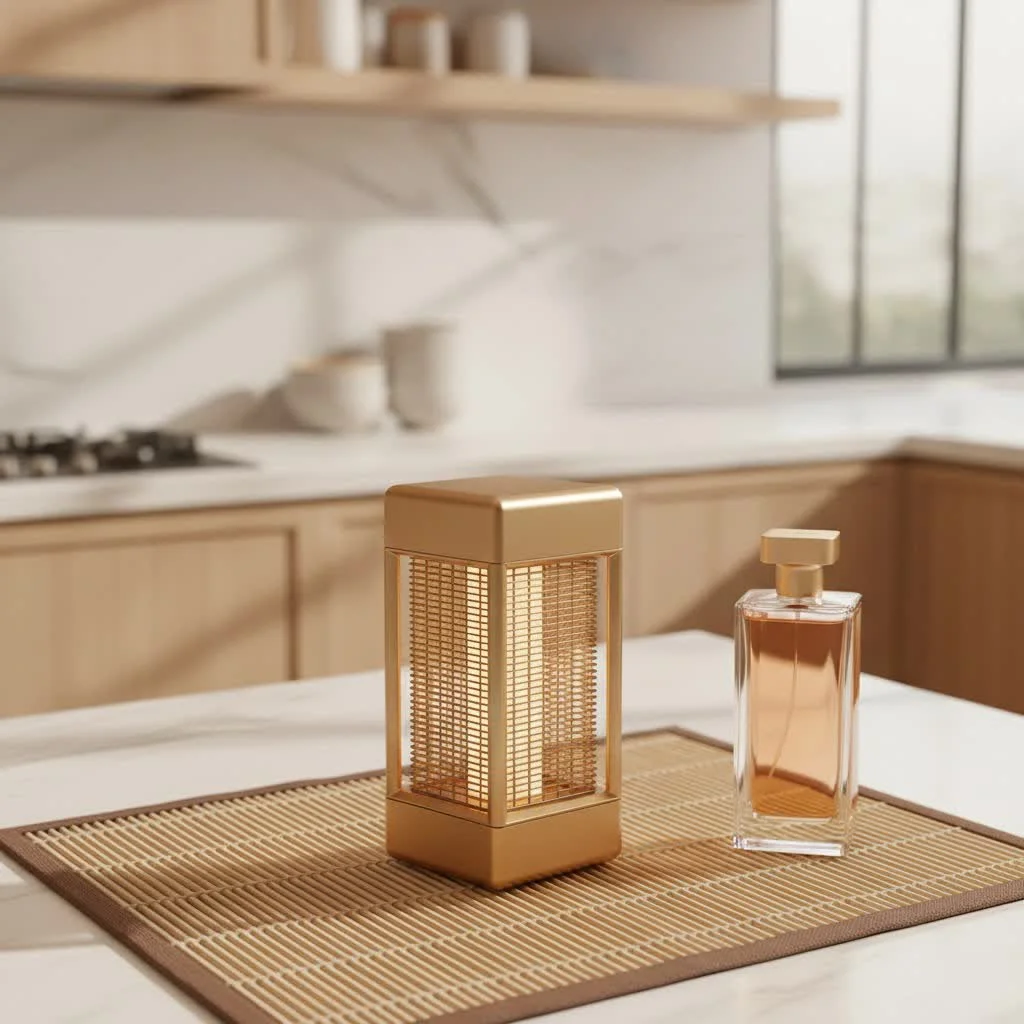
At its core, a fly and bug zapper is an electronic insect killer that uses light to lure flying pests to their demise. Most commonly, these devices employ a powerful ultraviolet (UV) light, which many insects find irresistibly attractive. Once an unsuspecting insect, drawn by the light, flies close enough, it comes into contact with an electrified metal grid surrounding the bulb. Zap! A high-voltage current instantly electrocutes the bug, and it typically falls into a collection tray below. It’s a simple, yet remarkably effective, mechanism for eliminating a wide array of nuisance insects.
Unpacking the Different Types of Bug Zappers
The world of insect control is vast, and bug zappers come in several forms, each suited for different needs and environments.
The Classic Electric Grid Zapper
These are what most people picture when they hear “bug zapper.” They consist of a UV light bulb and an electrified grid, housed within a protective cage. They can be:
- Plug-in models: Offer continuous operation for both indoor and outdoor settings, though outdoor versions need to be weather-resistant.
- Battery-operated units: Provide portability, perfect for camping trips, picnics, or moving around your patio, but have limited run times.
- Solar-powered zappers: An eco-friendly option for outdoor use, charging during the day and operating at night, reducing energy consumption.
Handheld Electric Rackets: The “Active” Approach
For those who prefer a more hands-on method, handheld electric rackets are essentially electrified fly swatters. They require manual action to zap individual bugs on contact, making them great for targeted pest control indoors or for chasing down that one persistent fly.
Beyond the Zap: Fan Traps and Sticky Solutions
While not strictly “zappers,” it’s other related devices. Some insect traps use fans to suck bugs into a containment area where they dehydrate, offering a quieter alternative to the audible “zap.” Others rely on sticky glue boards, often paired with UV light, to ensnare insects. These are particularly popular for indoor use against smaller pests like fruit flies and gnats.
Choosing the Perfect Fly and Bug Zapper for Your Space
Selecting the ideal fly and bug zapper means considering several factors to ensure it meets your specific pest control needs.
Size Matters: Understanding Coverage Areas
|
Our Picks for the Best Bug Zapper in 2026
As an Amazon Associate I earn from qualifying purchases.
|
||
| Num | Product | Action |
|---|---|---|
| 1 | Bug Zapper Outdoor, Mosquito Zapper Indoor with Dusk to Dawn Light Sensor, 4000V Electric Fly Zapper, Waterproof Mosquito Killer, Fly Trap for Home, Patio, Kitchen, Garden - 9.8 FT Length Cable |

|
| 2 | YISSVIC Bug Zapper Outdoor Indoor Waterproof Electric Mosquito Lamp Fly Zapper Killer Effective 4200V Plug in for Home Patio Office Courtyard (One-Light Control Bug Zapper) |
|
| 3 | GOOTOP Bug Zapper Outdoor, Mosquito Zapper, 3 Prong Plug in Electric Fly Zapper, Mosquito Killer, Fly Traps, Flying Insects Zapper Indoor Outdoor 90-130V, 4200V, ABS Plastic Outer (Black) |
|
| 4 | DEVOGUE® Electric Fly Swatter Bug Zapper Battery Operated Flies Killer Indoor & Outdoor Pest Control Mosquito Zapper and Insect Catcher Racket |
|
| 5 | ASPECTEK Insect Killer, Bug Zapper, Powerful 20W Electronic Indoor Fly Zapper, Mosquito Killer-Indoor Use Including Free 2 Pack Replacement Bulbs |
|
| 6 | BugMD Fruit Fly Trap Indoor for Safer Home, Gnat Traps for House Indoor, Gnat Killer, Plug in Bug Catcher, Fly Trap, Insect Traps, Fruit Fly Killer |
|
| 7 | LiBa Electric Bug Zapper, Indoor Insect Killer - (2) Extra Replacement Bulbs - Fly, Mosquito Killer and Repellent - Lightweight, Powerful 2800V Grid, Easy-to-Clean, with a Removable Washable Tray. |
|
| 8 | AMUFER Bug Zapper Outdoor Indoor, 18W Power & 4400V Instant Grid Mosquito Repellent, Insect Control Efficiency Increased 100%, 1/2 Acre Coverage, Fly Trap for Patio, Backyard, Home |
|
| 9 | FVOAI Bug Zapper Outdoor, Mosquito Zapper, Fly Zapper, Insect Zapper Electric Fly Traps for 1/2 Acre, Indoor Outdoor Use with 3 Prong Plug-in,4200V, ABS Plastic Outer, Black |
|
| 10 | Flowtron Bug Zapper, 1 Acre of Outdoor Coverage with Powerful 40W Bulb & 5600V Instant Killing Grid, Electric Insect, Fly & Mosquito Zapper, Made in The USA |
|
One of the first things to look at is the device’s advertised coverage area. A small unit covering 500-1,000 square feet might be perfect for a single room or a small patio. However, for larger outdoor spaces like sprawling backyards or expansive decks, you’ll need a heavy-duty zapper designed to cover up to 1-1.5 acres. Overpowering your space can lead to unnecessary energy consumption, while an underpowered model will simply be ineffective.
Indoor vs. Outdoor: Making the Right Match
Location is crucial. An outdoor fly and bug zapper needs to be built with weather-resistant materials like stainless steel or durable plastic to withstand the elements. Indoor models, on the other hand, often prioritize quiet operation and a more discreet design. Some versatile units are designed for both indoor and outdoor use, but always check the manufacturer’s specifications for damp safety, especially if leaving it outside overnight.
Powering Up: Corded, Battery-Operated, or Solar?
- Plug-in zappers offer consistent, continuous protection, ideal for stationary use where an outlet is readily available.
- Battery-operated models provide flexibility and portability, perfect for areas without power access, though their runtime is limited.
- Solar-powered units are an excellent choice for remote outdoor locations, utilizing renewable energy to charge during the day for night-time operation.
Essential Safety Features for Peace of Mind
Safety should always be a top priority. Look for fly and bug zappers with protective outer grids or cages that prevent children and pets from accidentally touching the electrified components. Some advanced models even include features that automatically disable the unit if the protective housing is tampered with.
Energy Efficiency: Saving the Planet (and Your Wallet)
Modern zappers often incorporate LED UV lights, which are more energy-efficient and have a longer lifespan than traditional fluorescent bulbs. Choosing an energy-efficient model not only helps reduce your electricity bill but also lessens your environmental footprint.
The Role of Attractants: More Than Just Light
While UV light is the primary draw for many insects, some fly and bug zappers also come with additional attractants, like octenol cartridges. These chemical lures are designed to mimic human breath and can significantly boost the zapper’s effectiveness, particularly against mosquitoes, although their overall impact on mosquito populations remains limited compared to other pests.
Durability and Ease of Cleaning: Long-Term Value
A durable fly and bug zapper made from high-quality materials will withstand years of use. Equally important is ease of cleaning. Models with removable collection trays and included cleaning brushes simplify the task of emptying dead insects and maintaining the grid, ensuring optimal performance.
Expert Placement Strategies for Maximum Zapping Power
Proper placement is paramount to getting the most out of your fly and bug zapper. It’s not just about turning it on; it’s about strategic positioning.
Where to Set Up Your Outdoor Bug Zapper
For outdoor areas, place your zapper about 20-40 feet away from where people typically gather, like your patio or seating area. This draws insects away from you, rather than attracting them closer. Hanging the device approximately 6 feet above the ground places it in the optimal flight path for many flying insects. Ensure it’s away from competing light sources to maximize its attractiveness.
Optimizing Indoor Fly and Bug Zapper Placement
Indoors, position the zapper in a central location within the problem area, but avoid placing it directly next to windows at night. The zapper’s light can attract insects from outside, causing them to swarm around the window trying to get in. If using near food prep areas, ensure there’s enough distance to prevent bug particles from scattering onto surfaces.
Keeping Your Fly and Bug Zapper in Top Shape: Maintenance Must-Dos
Just like any appliance, your fly and bug zapper requires regular maintenance to perform effectively and prolong its lifespan. Neglecting it can lead to reduced efficiency, unpleasant odors, and even potential hazards.
Why Regular Cleaning is Non-Negotiable
Over time, dead insects, dust, pollen, and environmental debris accumulate on the electric grid and UV bulbs. This buildup can clog the grid, preventing proper electrical contact, and diminish the light’s attractiveness, severely reducing the zapper’s effectiveness.
Safety First: Before You Start Cleaning
Always prioritize safety. Before attempting any cleaning or maintenance, ensure your fly and bug zapper is unplugged from its power source and completely cool. Avoid using water directly on electrical components unless the unit is specifically rated as waterproof. Gather your tools: a soft-bristled brush (an old toothbrush works wonders), a microfiber cloth, a can of compressed air, and possibly a small vacuum or screwdriver.
Step-by-Step Cleaning Your Bug Zapper
- Unplug and Cool: Disconnect the power and allow the unit to cool down for at least 15-20 minutes.
- Empty Collection Tray: Carefully remove the collection tray at the bottom (if your model has one). Empty the contents into a trash bag. Wash the tray with mild soap and warm water, then rinse thoroughly and let it air dry completely before reinstallation. If there’s no tray, gently turn the unit upside down and shake out dead insects.
- Clean the Electric Grid: Using your soft brush, gently dislodge any dead insects or debris stuck between the grid wires. Work methodically to ensure thorough cleaning without applying excessive pressure, as the wires can be delicate. For stubborn bits, a can of compressed air can be very effective in blowing out particles.
- Wipe Exterior and Bulbs: Use a damp microfiber cloth to wipe down the outer protective casing. For the UV bulbs, gently wipe them clean with a soft, dry cloth. Avoid touching the bulbs with bare hands, as skin oils can reduce light output and create hot spots.
- Reassemble and Test: Once all parts are dry, reassemble the zapper. Plug it back in and test its function briefly.
The Importance of UV Bulb Replacement
UV bulbs don’t last forever. Even if they still appear to be glowing, their UV output — the light spectrum that attracts insects — diminishes significantly over time. Most manufacturers recommend replacing UV bulbs every season or approximately every 3,000 hours (about 4 months) of continuous use to maintain optimal effectiveness. Always use replacement bulbs specified by the manufacturer.
Common Misconceptions and Troubleshooting Your Bug Zapper
Even with the best intentions, questions and issues can arise. Let’s tackle some common ones.
Do Bug Zappers Really Work on Mosquitoes?
This is perhaps the most common question I get at JRDiy. And the answer might surprise you: traditional UV light bug zappers are largely ineffective against mosquitoes. Female mosquitoes, the ones that bite us, are primarily attracted to carbon dioxide, body heat, and certain chemicals in human sweat, not UV light. While a zapper might catch an occasional mosquito, studies have shown they make little to no impact on overall mosquito populations. For mosquito control, other methods like repellents, eliminating standing water, or specialized CO2-emitting mosquito traps are more effective.
What About Beneficial Insects? The Environmental Impact
Unfortunately, fly and bug zappers are indiscriminate killers. While they zap nuisance pests, they also kill a vast number of beneficial insects such as moths, beetles, and even parasitic wasps, which play crucial roles in pollination and controlling other pest populations. This “non-target impact” can disrupt local ecosystems and, ironically, might even lead to an increase in certain pest populations by eliminating their natural predators.
When Your Zapper Isn’t Zapping: Troubleshooting Tips
- No Power: Check the outlet, cord, and fuse (if applicable).
- Weak Zapping: The grid might be clogged with debris; clean it thoroughly. UV bulb might be old and losing effectiveness, even if still lit; consider replacing.
- Attracting the Wrong Bugs: If it’s catching mostly moths and not flies, consider adding an octenol attractant (for mosquitoes, though limited) or relocating the unit.
- Excessive Noise/Sparking: This is usually a sign of too much debris on the grid or a short circuit. Unplug immediately, clean the grid, and inspect for damage. If problems persist, discontinue use and contact the manufacturer.
Frequently Asked Questions (FAQ)
How often should I clean my bug zapper?
During peak insect season, aim for weekly visual inspections and clean your fly and bug zapper every 1-2 weeks. In less active periods or low-traffic areas, once a month may suffice. Always perform a thorough cleaning before storing it for the off-season.
Can I use an outdoor bug zapper indoors?
While some models are rated for both indoor and outdoor use, generally, outdoor bug zappers are designed to be more robust and may be too large or bright for indoor settings. Always check the manufacturer’s guidelines; typically, indoor-specific models are quieter and designed for smaller spaces.
Are bug zappers safe for pets and children?
Modern fly and bug zappers usually come with protective outer cages to prevent direct contact with the electrified grid. However, always place them out of reach of children and pets. The “zapping” sound can also startle sensitive animals.
How far away should a bug zapper be from my gathering area?
For outdoor use, place your fly and bug zapper 20-40 feet away from where you and your guests are seated or eating. This distance ensures insects are drawn away from your personal space.
What’s the best way to dispose of dead insects?
For models with collection trays, simply remove, empty, and clean the tray as part of your regular maintenance. For zappers without trays, you can gently tap or shake the unit over a trash can, or use compressed air or a small vacuum to dislodge insects from the grid.
When should I replace the UV bulb?
UV bulbs in a fly and bug zapper should typically be replaced every season or approximately every 3,000 hours (about 4 months) of use. Even if the bulb still appears to be working, its UV output, which attracts insects, diminishes over time.
Conclusion
Understanding the nuances of your fly and bug zapper is about more than just flipping a switch; it’s about making an informed decision that enhances your living spaces while considering safety and environmental impact. By choosing the right type of zapper for your needs, placing it strategically, and committing to a consistent maintenance routine, you can significantly reduce pesky flying insects and reclaim your comfort. Here at JRDiy, we believe a little knowledge goes a long way in creating a more enjoyable and bug-free environment. Now go forth, confident in your power to zap those unwanted guests away!
Clean Your Bug Zapper for Optimal Performance
Regular cleaning of your bug zapper is essential to maintain its effectiveness and prolong its lifespan. This procedure ensures proper electrical contact and light attractiveness.
Always disconnect the bug zapper from its power source and allow it to cool down for at least 15-20 minutes before starting any cleaning. This prevents electrical shock and burns.
Carefully remove the collection tray (if your model has one) and empty its contents into a trash bag. Wash the tray with mild soap and warm water, then rinse and air dry completely before reinstallation. If there's no tray, gently turn the unit upside down and shake out dead insects.
Using a soft-bristled brush, gently dislodge any dead insects or debris stuck between the grid wires. Work methodically to ensure thorough cleaning without applying excessive pressure. For stubborn particles, a can of compressed air can be very effective.
Use a damp microfiber cloth to wipe down the outer protective casing. For the UV bulbs, gently wipe them clean with a soft, dry cloth. Avoid touching the bulbs with bare hands, as skin oils can reduce light output and create hot spots.
Once all parts are dry, carefully reassemble the zapper. Plug it back into the power source and briefly test its function to ensure it's working correctly after cleaning.
Get our weekly buyer guide
Practical specs, not advice. Unsubscribe anytime.
The UV light definitely attracts bugs, and it does zap them, but I feel like the collection tray could be bigger. I have to empty it pretty often, especially on humid nights. It works for our small patio, but I wouldn’t recommend it for a super large area without frequent maintenance.
I was skeptical about getting a bug zapper for our large backyard, but this guide really helped me understand how they work. We went with an electric model, and it’s been a game-changer. No more swatting at mosquitos during evening BBQs! It’s so satisfying to hear that zap.
We got a battery-powered zapper for our camping trips, and it’s been fantastic. It’s lightweight and really helps keep the tent area clear of those annoying flies. The fact that it uses UV light to lure them in is super effective. Definitely makes outdoor adventures more enjoyable.
I finally pulled the trigger on a solar-powered bug zapper for our deck, and I’m so glad I did. It charges all day and then works through the night, keeping our outdoor dining area pest-free. The high-voltage current really does the trick on all sorts of flying insects. It’s amazing not having to worry about cords.