Hello, fellow DIY enthusiasts and home guardians! As a seasoned bug zapper expert with over 15 years in the trenches of pest control and the chief content creator for JRDiy.com, I’ve seen just about every flying pest imaginable. Today, we’re tackling a particularly annoying adversary: the gnat. These tiny, often overlooked insects can quickly turn your peaceful home or garden into a buzzing nuisance. If you’ve ever found yourself asking, “What’s the best bug zapper for gnats?”, you’ve come to the right place. Let’s dive deep into understanding these minuscule invaders and how a well-chosen bug zapper, combined with smart strategies, can help you reclaim your space.
Understanding the Tiny Invaders: What Are Gnats?
Before we can zap ’em, we need to know ’em. The term “gnat” is often used broadly to describe several small, flying insects, but the most common culprits disrupting our lives are usually fungus gnats, drain flies, and fruit flies.
- Fungus Gnats: These little black flies are typically found hovering around houseplants. Their larvae thrive in moist potting soil, feeding on fungi and decaying organic matter. If you’re an enthusiastic plant parent, you’ve likely encountered these guys.
- Drain Flies (Moth Flies): You’ll spot these fuzzy, moth-like insects congregating near drains in bathrooms and kitchens. Their larvae develop in the gelatinous film that lines pipes, surviving on decomposing organic material.
- Fruit Flies: While technically not gnats, they’re often grouped in the same annoying category. They’re attracted to ripe, fermenting fruits and vegetables, as well as sugary spills and garbage.
Why Gnats Love Your Space: All these tiny pests share a common love: moisture and decaying organic matter. Overwatered plants, leaky pipes, stagnant water, and exposed food waste are like five-star resorts for gnats, providing ideal breeding grounds and food sources.
Do Bug Zappers Really Work for Gnats? The Truth from a Pro
This is the million-dollar question I get all the time! Based on my years of testing and practical experience, the straightforward answer is: yes, bug zappers can be effective for gnats, especially fungus gnats, but they’re not usually a standalone miracle cure. Think of a bug zapper as a powerful tool in your overall gnat control arsenal, working best when combined with other smart strategies.
How Bug Zappers Attract Gnats: Most bug zappers utilize ultraviolet (UV) light to lure insects. Many gnat species, particularly fungus gnats, are drawn to specific UV-A wavelengths, often in the 365-400nm range. Once these tiny pests are drawn close, they come into contact with an electrified grid and are swiftly eliminated. Some advanced zappers also incorporate additional attractants like octenol or even CO2 emitters, mimicking human breath, to enhance their appeal to a broader spectrum of flying insects, including certain gnats.
The Importance of Grid Spacing: When it comes to gnats, size absolutely matters. Traditional outdoor bug zappers often have wider grid spacing designed for larger insects like moths or mosquitoes. For tiny gnats, these gaps can be like open doors, allowing them to fly right through unscathed. This is why for effective gnat control, you need a bug zapper with a finely spaced high-voltage grid. These specialized grids are designed to capture even the smallest flying insects, ensuring that those little gnats don’t slip through.
Realistic Expectations: It’s crucial to set realistic expectations. While a good bug zapper will significantly reduce the adult gnat population in your targeted area, it’s unlikely to eradicate a full-blown infestation single-handedly. Gnats reproduce rapidly, and many solutions only target the adults. A bug zapper is excellent for immediate population reduction and as part of a continuous maintenance plan, preventing adults from breeding and quickly helping to get fungus gnat infestations under control, especially when they seem to be everywhere in the home!
Types of Bug Zappers for Gnat Control: Which One’s Right for You?
The world of bug zappers has evolved, offering a variety of options. Choosing the right one for gnats means understanding their specific features and applications.
Electric Grid Zappers
|
Our Picks for the Best Bug Zapper in 2026
As an Amazon Associate I earn from qualifying purchases.
|
||
| Num | Product | Action |
|---|---|---|
| 1 | GOOTOP Bug Zapper Outdoor, Mosquito Zapper, 3 Prong Plug in Electric Fly Zapper, Mosquito Killer, Fly Traps, Flying Insects Zapper Indoor Outdoor 90-130V, 4200V, ABS Plastic Outer (Black) |

|
| 2 | FVOAI Bug Zapper Outdoor, Mosquito Zapper, Fly Zapper, Insect Zapper Electric Fly Traps for 1/2 Acre, Indoor Outdoor Use with 3 Prong Plug-in,4200V, ABS Plastic Outer, Black |
|
| 3 | BugMD Fruit Fly Trap Indoor for Safer Home, Gnat Traps for House Indoor, Gnat Killer, Plug in Bug Catcher, Fly Trap, Insect Traps, Fruit Fly Killer |
|
| 4 | DEVOGUE® Electric Fly Swatter Bug Zapper Battery Operated Flies Killer Indoor & Outdoor Pest Control Mosquito Zapper and Insect Catcher Racket |
|
| 5 | ASPECTEK Insect Killer, Bug Zapper, Powerful 20W Electronic Indoor Fly Zapper, Mosquito Killer-Indoor Use Including Free 2 Pack Replacement Bulbs |
|
| 6 | LiBa Electric Bug Zapper, Indoor Insect Killer - (2) Extra Replacement Bulbs - Fly, Mosquito Killer and Repellent - Lightweight, Powerful 2800V Grid, Easy-to-Clean, with a Removable Washable Tray. |
|
| 7 | YISSVIC Bug Zapper Outdoor Indoor Waterproof Electric Mosquito Lamp Fly Zapper Killer Effective 4200V Plug in for Home Patio Office Courtyard (One-Light Control Bug Zapper) |
|
| 8 | AMUFER Bug Zapper Outdoor Indoor, 18W Power & 4400V Instant Grid Mosquito Repellent, Insect Control Efficiency Increased 100%, 1/2 Acre Coverage, Fly Trap for Patio, Backyard, Home |
|
| 9 | Bug Zapper Outdoor, Mosquito Zapper Indoor with Dusk to Dawn Light Sensor, 4000V Electric Fly Zapper, Waterproof Mosquito Killer, Fly Trap for Home, Patio, Kitchen, Garden - 9.8 FT Length Cable |
|
| 10 | Flowtron Bug Zapper, 1 Acre of Outdoor Coverage with Powerful 40W Bulb & 5600V Instant Killing Grid, Electric Insect, Fly & Mosquito Zapper, Made in The USA |
|
These are the classic zappers, utilizing UV light to draw insects to an electrified grid.
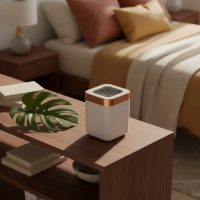
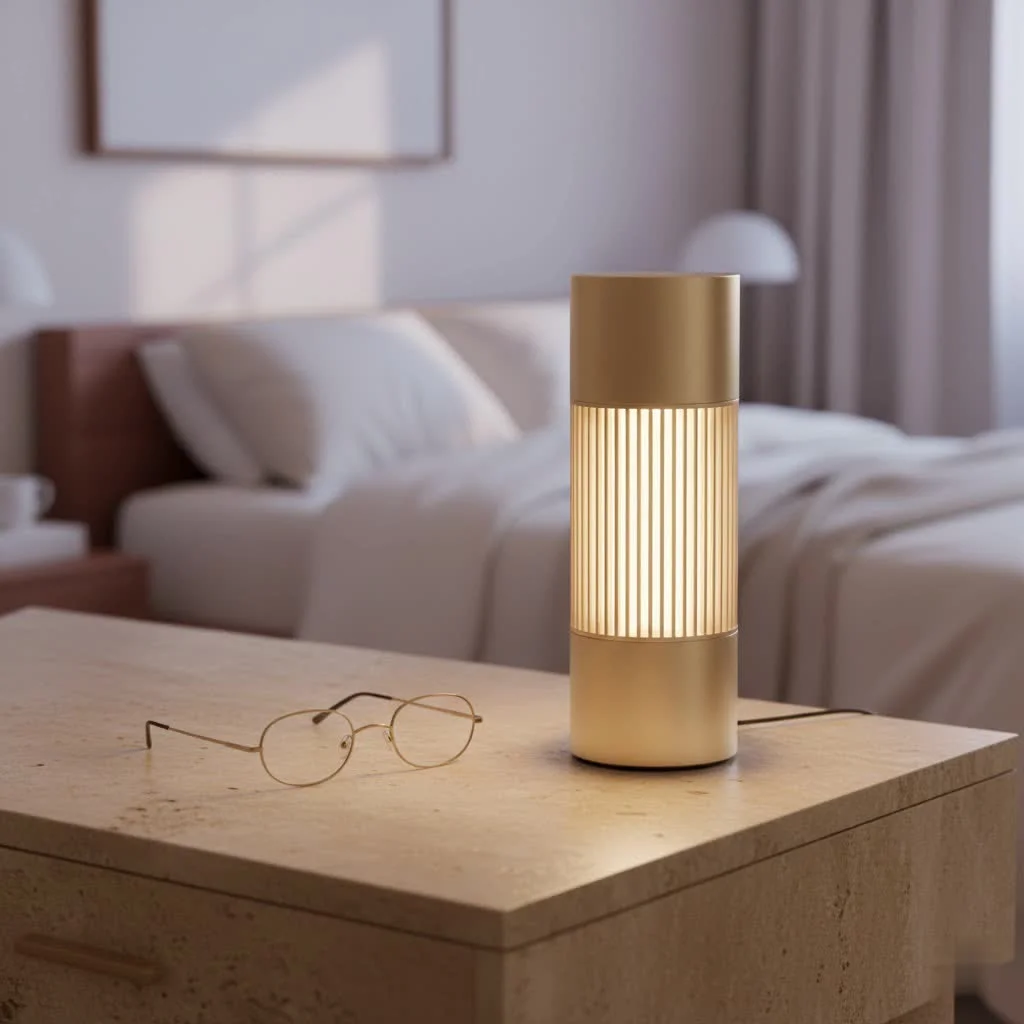
- Indoor Plug-in Models: Compact and designed for indoor use, these are often quite effective for fungus gnats around houseplants or fruit flies in the kitchen. Brands like Zevo and Aspectek offer popular plug-in light traps that attract gnats and then either zap them or trap them on an internal sticky pad. They are typically quiet and blend into home environments.
- Expert Tip: “For indoor gnat problems, I often recommend plug-in units with a combination of UV light and an internal sticky trap. They’re mess-free and incredibly effective for capturing those curious little gnats without the loud ‘zap’ sound.” – John R. Dixon, JRDiy Senior Pest Specialist.
- Outdoor/Heavy-Duty Models: These larger units, like certain Flowtron models, are built for broader coverage in outdoor spaces. While designed for a wider range of insects, some can be effective for outdoor gnat populations, especially if they include additional attractants or have finer grids. However, remember that their primary design might be for larger pests.
Handheld Zapper Rackets
Think of these as electrified tennis rackets. They provide a satisfying way to actively swat and zap individual gnats (and other flying insects) on contact. While not a passive control method, they’re fantastic for immediate, targeted relief and a bit of stress release!
Combination Traps
Many newer models combine features for enhanced effectiveness:
- UV Light + Sticky Traps: Some indoor zappers use UV light to attract gnats, then trap them on replaceable adhesive strips hidden from view. This offers a silent, contained solution.
- UV Light + Fan: Certain devices employ a fan to pull insects into a collection chamber where they are trapped or zapped. Gnats are weak fliers, so directed airflow can significantly boost capture rates.
Choosing Your Gnat Zapper: A JRDiy Expert Checklist
With so many options, how do you pick the best bug zapper for your gnat problem? Here’s my expert checklist to guide your decision:
- Indoor vs. Outdoor Use:
- Indoor: Look for compact, often quieter plug-in models or discreet light traps. Ensure they specify safe indoor use and have a contained collection system.
- Outdoor: Consider durable, weather-resistant units with larger coverage areas.
- Coverage Area: Match the zapper’s stated coverage (e.g., square feet, acreage) to the size of the area you need to protect. For gnats, one unit per room can be more effective indoors.
- Light Wavelength: While many zappers use UV light, some studies suggest gnats respond best to specific UV-A ranges (e.g., 365-400nm). Look for models that emphasize optimized wavelengths for tiny flies.
- Grid Design: This is critical for gnats. Always look for zappers with a finely spaced electrical grid that can effectively zap even the smallest insects.
- Ease of Cleaning: Gnats mean tiny bodies. A removable collection tray and an included cleaning brush for the grid wires will make maintenance much easier and more hygienic.
- Additional Attractants: For more persistent problems, consider models that incorporate octenol cartridges or CO2 emitters, which can make them more appealing to a broader range of gnats and other flying pests.
- Safety Features: If you have curious pets or small children, prioritize zappers with enclosed grids or designs that prevent accidental contact. Some enclosed traps use non-electric sticky pads for added safety.
Installation & Placement: Maximizing Your Bug Zapper’s Effectiveness Against Gnats
The best bug zapper in the world won’t do much good if it’s not placed correctly. Proper installation and strategic placement are paramount for maximizing its gnat-zapping potential.
Strategic Location
- Near Breeding Sources: For fungus gnats, place the zapper close to your houseplants. For drain flies, near sinks. For fruit flies, in the kitchen away from direct food prep areas.
- Not High-Traffic Human Areas: While you want it effective, you don’t want to smell burning bugs or have them constantly buzzing around where you sit. Place it a little off to the side, where gnats gather but people don’t linger.
- Height Matters: Gnats are generally weak fliers. For optimal results, position indoor plug-in zappers at counter or table height, typically about waist-high. This puts them directly in the flight path of most gnats.
- Darkness is Your Friend: UV light is most attractive when it’s the only light source. In the evenings, turn off competing ambient lights to make your bug zapper the irresistible beacon for gnats.
Indoor Specifics
- Kitchens and Dining Areas: Ideal for fruit flies. Place near fruit bowls, pantries, or trash cans, but ensure it’s not too close to food to avoid contamination.
- Plant Areas: For fungus gnats, position the zapper among your plants. Many small, portable zappers are designed to sit discreetly on a shelf or plant stand.
- Bathrooms: For drain flies, place near sinks, showers, or other damp areas.
Outdoor Specifics
- Perimeter Protection: If dealing with outdoor gnats, place larger zappers on the perimeter of your outdoor living spaces, about 20-30 feet away from where people gather. This draws bugs away from you.
- Weather Resistance: Ensure any outdoor unit is rated for outdoor use and can withstand the elements.
- Power Source: Consider the proximity to an outdoor outlet or if a solar-powered model is more suitable.
Beyond the Zapper: Comprehensive Gnat Control Strategies
Remember, a bug zapper is a powerful ally, but true gnat control is a holistic effort. As a JRDiy expert, I always advocate for a multi-pronged attack.
Eliminate Breeding Sources
This is the golden rule of pest control: no breeding grounds, no pests!
- For Fungus Gnats:
- Proper Plant Watering: The leading cause of fungus gnats! Allow the top 1-2 inches of potting soil to dry out completely between waterings. Gnats love moist soil for laying eggs.
- Horticultural Sand: Add a half-inch layer of horticultural sand (not play sand) to the top of your plant soil. This discourages gnats from laying eggs and can help existing larvae.
- Sterile Potting Mix: When repotting, use a high-quality, sterile potting mix that doesn’t contain composted ingredients, which can attract gnats.
- Remove Plant Debris: Keep the soil surface clear of fallen leaves, flowers, and other decaying organic matter.
- For Drain Flies:
- Clean Drains Regularly: Pour boiling water, a half-cup of bleach mixed with a gallon of water (slowly!), or commercial drain cleaner down affected drains to eliminate the gelatinous film where larvae thrive. Ensure good ventilation if using bleach.
- For Fruit Flies:
- Store Fruit Properly: Refrigerate ripe fruits and vegetables or keep them in sealed containers.
- Clean Up Spills: Wipe up sugary drink spills and food crumbs immediately.
- Sealed Trash Cans: Use trash cans with tight-fitting lids and empty them frequently, especially those containing food waste.
DIY Traps
Simple, effective, and often made with common household items.
- Apple Cider Vinegar (ACV) + Dish Soap Trap: Pour about an inch of apple cider vinegar into a shallow bowl or glass, add a few drops of dish soap, and mix gently. The gnats are attracted to the vinegar, but the dish soap breaks the surface tension, causing them to sink and drown.
- Wine Traps: A shallow bowl of old red wine works similarly to ACV.
- Rotting Fruit Traps: Place a few pieces of overripe fruit in a bowl, cover tightly with plastic wrap, and poke a few small holes. Gnats get in, but can’t find their way out.
Sticky Traps
Small yellow sticky cards can be placed directly in potted plants (for fungus gnats) or hung in areas where gnats are active. The bright yellow color attracts them, and the strong adhesive holds them fast. You can even hang a yellow sticky card behind an indoor bug zapper’s UV light for a double whammy!
Environmental Control
- Reduce Humidity: Gnats thrive in moist environments. Running a dehumidifier in damp areas can help.
- Proper Waste Management: Don’t let garbage accumulate, especially food waste.
Maintenance & Troubleshooting: Keeping Your Zapper Zapping
A bug zapper is a tool, and like any tool, it needs proper care to perform its best.
Regular Cleaning
- Safety First: Always unplug your bug zapper before cleaning.
- Grid Cleaning: Use the small brush usually provided (or a stiff, non-metallic brush) to dislodge dead insects from the electrified grid.
- Collection Tray: Empty and wash the collection tray regularly, especially with indoor units, to prevent odors and secondary pest issues.
- Exterior: Wipe down the exterior with a damp cloth as needed.
Bulb Replacement
UV bulbs have a limited lifespan, typically 6-12 months, even if they still appear to be glowing. Their insect-attracting UV output diminishes over time. Replace them according to the manufacturer’s recommendations to ensure continued effectiveness.
Attractant Refills
If your zapper uses octenol cartridges or other chemical attractants, remember to replace them every 30-60 days as specified by the manufacturer.
Common Issues and How to Fix Them
- Not Attracting Gnats:
- Wrong Placement: Is it too close to other light sources? Is it in the gnat’s typical flight path? Move it closer to suspected breeding areas.
- Wrong Wavelength: For some gnat species, the UV light may not be the optimal attractant. Consider supplementing with DIY traps.
- Old Bulb: Replace the UV bulb if it’s past its prime.
- Zapper Not Working:
- Power Check: Ensure it’s properly plugged in and the outlet is working.
- Bulb Check: Is the bulb securely seated or burned out?
- Grid Obstruction: A buildup of dead insects can sometimes short out or reduce the effectiveness of the grid. Clean it thoroughly.
Expert Insights: JRDiy’s Take on Gnat Control
“After years of advising homeowners, I can confidently say that the most successful gnat control comes from a holistic perspective. Don’t just rely on one method. Use your bug zapper strategically, actively eliminate breeding sites, and consider simple DIY traps. It’s about creating an environment where gnats simply can’t thrive, allowing you to enjoy your home without the constant buzzing.” – Eleanor Vance, JRDiy Pest Management Lead.
FAQ: Your Gnat Zapper Questions Answered
Q1: Are bug zappers safe for indoor use around pets and children?
Many modern indoor bug zappers are designed with safety in mind, featuring enclosed grids or sticky traps to prevent accidental contact. However, always read the manufacturer’s instructions and choose models specifically rated for indoor use and consider pet-friendly designs, as smaller grids can harm curious paws.
Q2: How quickly can a bug zapper reduce gnat populations?
You can often see a noticeable reduction in adult gnat populations within a few hours to a few days, especially in a contained indoor space or when positioned strategically near their activity. Immediate results are common for active adults, but full control takes consistent effort.
Q3: Can bug zappers get rid of all gnats?
While bug zappers are highly effective at killing adult gnats and significantly reducing their numbers, they typically won’t eliminate an entire infestation on their own. They primarily target flying adults and don’t address larvae or breeding sites, making them a key part of a broader control strategy.
Q4: What’s the best place to put a bug zapper for indoor gnats?
For indoor gnats, the best placement is near their breeding sources, such as houseplants for fungus gnats or sinks for drain flies. Place them in darker areas, about waist-high, to make the UV light most attractive and to intercept their typical flight paths.
Q5: Do I need special bug zappers for different types of gnats?
The primary difference for gnat control lies in the grid spacing. For tiny gnats, a zapper with a fine-mesh grid is essential. Beyond that, the principles of UV attraction and strategic placement apply across various gnat types.
Q6: How often should I clean my bug zapper?
For optimal performance and hygiene, aim to clean your bug zapper’s collection tray and grid at least once a week, or more frequently during periods of high gnat activity. Regular cleaning prevents build-up and maintains efficiency.
Conclusion
Dealing with gnats can be a persistent battle, but with the right knowledge and tools, you can certainly win the war. Bug zappers for gnats, especially those with finely spaced grids and optimized UV light, are an incredibly effective component of a comprehensive pest management plan. By understanding what attracts gnats, choosing the appropriate zapper, installing it strategically, and combining it with source reduction and other traps, you’ll be well on your way to a gnat-free environment.
At JRDiy, our goal is to empower you with the practical expertise to tackle these challenges confidently. So go ahead, arm yourself with the best bug zapper for gnats, implement these proven strategies, and reclaim your home and garden from these tiny intruders. Share your success stories with us – we love hearing how our advice helps you create a more comfortable living space!
Get our weekly buyer guide
Practical specs, not advice. Unsubscribe anytime.