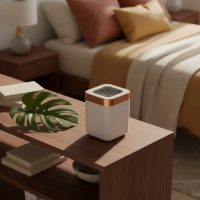
As a seasoned expert in pest control with over 15 years of hands-on experience, and the resident content creator for JRDiy.com, I’ve seen countless summers where the buzz of insects became more of a roar. That’s why understanding effective solutions like the UV bug zapper is so crucial. These devices aren’t just gadgets; they’re your first line of defense against those unwelcome winged guests that can turn a peaceful evening into an irritating ordeal. Over the years, I’ve tested various models in every conceivable environment, from humid backyard barbecues to serene indoor settings, to bring you the most practical and reliable insights.
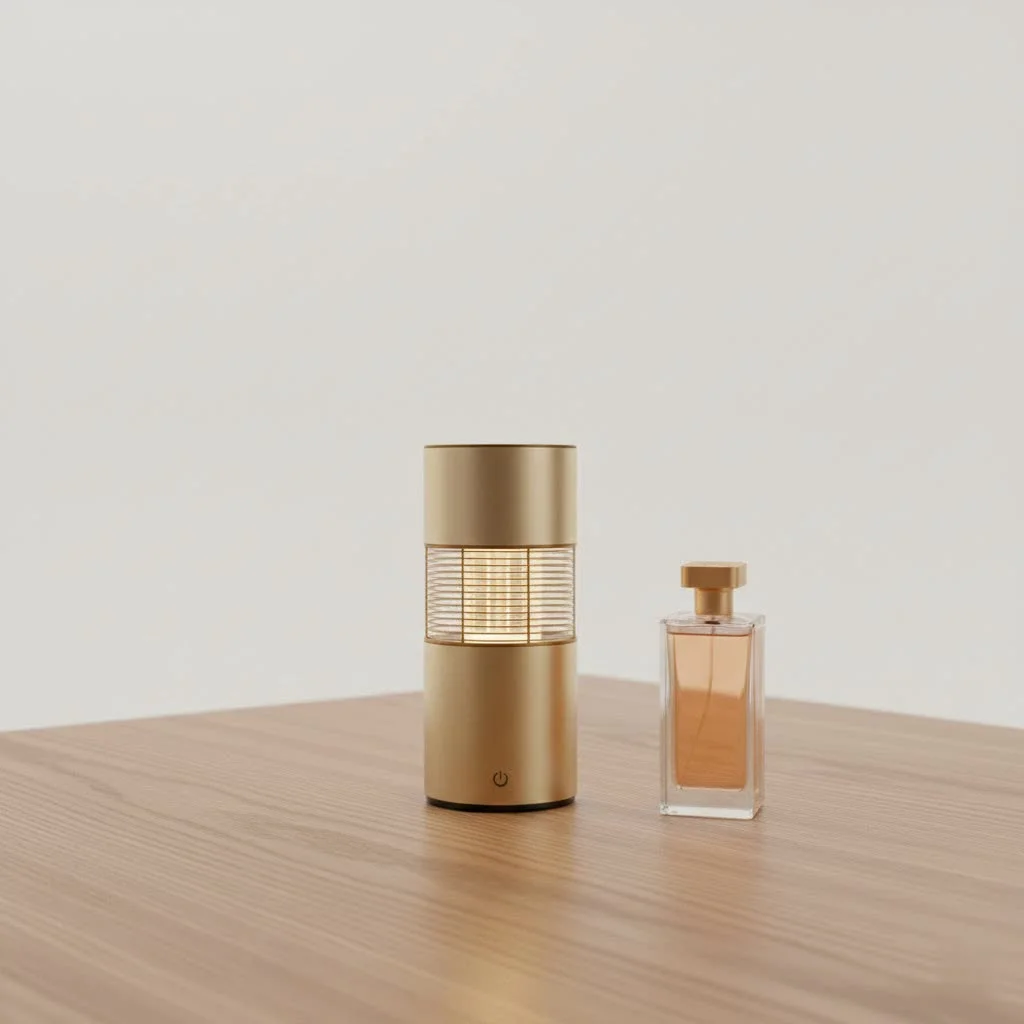
A UV bug zapper uses a specific type of ultraviolet light, primarily UV-A, to attract a range of flying insects. Once lured close, these pests are swiftly eliminated, usually by an electrified grid. While their design might seem simple, maximizing their potential and ensuring safe, long-term operation requires a deeper understanding. Let’s delve into everything you need to know about selecting, setting up, maintaining, and troubleshooting your bug zapper to reclaim your space and enjoy the great outdoors – and indoors – bug-free. For complete bug zapper library on this site.
How UV Bug Zappers Work: The Science of Attraction
At its core, a UV bug zapper operates on a simple, yet ingenious principle: light attraction. Many nocturnal flying insects are naturally drawn to ultraviolet (UV) light, particularly in the UV-A spectrum, which mimics natural light sources they use for navigation. The zapper houses a UV bulb, emitting this irresistible glow. Insects, mistaking it for a beacon, fly towards the light.
Once they get close enough, they encounter a high-voltage electrical grid positioned around the light source. The moment an insect touches this grid, it completes an electrical circuit, resulting in a quick, decisive “zap.” This mechanism is highly effective against a variety of pests, including moths, gnats, and certain types of flies. It’s a clean, chemical-free way to reduce insect populations around your home.
Are All Bugs Attracted to UV Light?
It’s a common misconception that all bugs are equally drawn to UV light. While many flying insects are, some notorious pests, like mosquitoes, are less captivated by UV alone. Mosquitoes primarily track their targets using carbon dioxide (CO2) emissions and body heat. This is why some advanced bug zappers incorporate additional attractants, such as octenol cartridges, to specifically target mosquitoes, alongside the UV light. Understanding which pests your UV bug zapper is most effective against can help you manage expectations and combine it with other pest control strategies for a comprehensive solution.
Types of UV Bug Zappers: Finding Your Perfect Match
The market for UV bug zappers is diverse, offering options for nearly every need and environment. From robust outdoor units designed for large areas to discreet indoor models, knowing the different types will help you make an informed decision.
Electric Grid Zappers
|
Our Picks for the Best Bug Zapper in 2026
As an Amazon Associate I earn from qualifying purchases.
|
||
| Num | Product | Action |
|---|---|---|
| 1 | FVOAI Bug Zapper Outdoor, Mosquito Zapper, Fly Zapper, Insect Zapper Electric Fly Traps for 1/2 Acre, Indoor Outdoor Use with 3 Prong Plug-in,4200V, ABS Plastic Outer, Black |

|
| 2 | YISSVIC Bug Zapper Outdoor Indoor Waterproof Electric Mosquito Lamp Fly Zapper Killer Effective 4200V Plug in for Home Patio Office Courtyard (One-Light Control Bug Zapper) |
|
| 3 | LiBa Electric Bug Zapper, Indoor Insect Killer - (2) Extra Replacement Bulbs - Fly, Mosquito Killer and Repellent - Lightweight, Powerful 2800V Grid, Easy-to-Clean, with a Removable Washable Tray. |
|
| 4 | BugMD Fruit Fly Trap Indoor for Safer Home, Gnat Traps for House Indoor, Gnat Killer, Plug in Bug Catcher, Fly Trap, Insect Traps, Fruit Fly Killer |
|
| 5 | GOOTOP Bug Zapper Outdoor, Mosquito Zapper, 3 Prong Plug in Electric Fly Zapper, Mosquito Killer, Fly Traps, Flying Insects Zapper Indoor Outdoor 90-130V, 4200V, ABS Plastic Outer (Black) |
|
| 6 | AMUFER Bug Zapper Outdoor Indoor, 18W Power & 4400V Instant Grid Mosquito Repellent, Insect Control Efficiency Increased 100%, 1/2 Acre Coverage, Fly Trap for Patio, Backyard, Home |
|
| 7 | DEVOGUE® Electric Fly Swatter Bug Zapper Battery Operated Flies Killer Indoor & Outdoor Pest Control Mosquito Zapper and Insect Catcher Racket |
|
| 8 | ASPECTEK Insect Killer, Bug Zapper, Powerful 20W Electronic Indoor Fly Zapper, Mosquito Killer-Indoor Use Including Free 2 Pack Replacement Bulbs |
|
| 9 | Bug Zapper Outdoor, Mosquito Zapper Indoor with Dusk to Dawn Light Sensor, 4000V Electric Fly Zapper, Waterproof Mosquito Killer, Fly Trap for Home, Patio, Kitchen, Garden - 9.8 FT Length Cable |
|
| 10 | Flowtron Bug Zapper, 1 Acre of Outdoor Coverage with Powerful 40W Bulb & 5600V Instant Killing Grid, Electric Insect, Fly & Mosquito Zapper, Made in The USA |
|
These are the most recognizable type, featuring a UV light surrounded by an electrified grid. They are highly effective for instantly killing insects on contact and are available in various sizes and power outputs for both indoor and outdoor use. Larger outdoor models often boast impressive coverage areas, sometimes extending to over an acre.
UV Sticky Traps with Fans
A newer, often quieter alternative, these devices combine UV light with a fan and a sticky glue board. The UV light attracts insects, which are then drawn in by the fan and trapped on the adhesive surface. These are particularly popular for indoor use as they avoid the “zap” sound and provide a more discreet way to manage pests like gnats and fruit flies. They are also considered safer for homes with curious children and pets.
Portable and Solar-Powered Zappers
For those who need flexibility, portable UV bug zappers are excellent. Battery-operated or solar-powered models are perfect for camping trips, picnics, or remote areas without easy access to power outlets. While typically smaller in coverage, they offer convenience and can be a lifesaver when you’re away from home.
Choosing the Right UV Bug Zapper for Your Needs
Selecting the ideal UV bug zapper isn’t a one-size-fits-all situation. It depends heavily on where you plan to use it, the types of pests you’re battling, and your personal priorities. Here’s what to consider:
- Coverage Area: This is paramount. Measure the space you want to protect. Bug zappers specify their effective range, from small personal zones to sprawling acres. Don’t underbuy; an undersized unit won’t deliver the results you expect.
- Power Source:
- Corded: Best for fixed locations with easy access to electrical outlets. Offers consistent, reliable power.
- Battery/Rechargeable: Great for portability and areas without outlets. Ensure the battery life meets your usage needs.
- Solar: Environmentally friendly and cost-effective for outdoor use, relying on sunlight to charge.
- Indoor vs. Outdoor Use:
- Outdoor models are generally more robust, often weatherproof (look for IPX4 ratings for rain resistance), and designed for larger areas. They typically use a stronger UV light.
- Indoor models are usually quieter, designed for smaller spaces, and may integrate sticky traps to avoid scattered insect debris.
- Safety Features: A protective cage or grid spacing is essential, especially if you have children or pets, to prevent accidental contact with the electrified components.
- Energy Efficiency: Look for models with LED UV lights, which consume less power and have a longer lifespan than traditional UV bulbs. Some outdoor units also feature dusk-to-dawn sensors to conserve energy.
- Specific Pest Concerns: If mosquitoes are your primary target, consider models that include octenol lures or are designed to emit CO2 to enhance their attraction power.
“When it comes to UV bug zappers, think of it like choosing a tool for a specific job,” advises Dr. Evelyn Reed, a leading entomologist. “A small handheld zapper won’t clear an entire patio, just as an industrial-strength unit is overkill for a kitchen. Match the device to the challenge.”
Installation and Safe Usage Guidelines for Your UV Bug Zapper
Proper setup and adherence to safety guidelines are crucial for maximizing the effectiveness and ensuring the safe operation of your UV bug zapper.
Placement is Key
The location of your UV bug zapper significantly impacts its performance.
- Away from People: Place outdoor zappers 20-40 feet away from gathering areas like patios or dining spaces. The goal is to draw bugs away from you, not towards your immediate vicinity.
- Optimal Height: Hanging the zapper about 6 feet above the ground often places it in the prime flight path of many insects.
- Avoid Competing Lights: Other light sources (porch lights, security lights) can reduce your zapper’s effectiveness by distracting insects. Place your UV bug zapper in a relatively dark, isolated area where its light can be the dominant attractant.
- Clear Path: Ensure there are no obstructions like shrubs, furniture, or walls blocking the zapper’s light, which could hinder insects from reaching it.
Essential Safety Precautions
While UV bug zappers are generally safe, a few precautions are necessary:
- UV Exposure: The UV-A light emitted by bug zappers is typically low intensity and safe for human exposure under normal conditions. However, avoid staring directly into the light for extended periods, as it can cause eye irritation.
- Electric Shock Hazard: Modern zappers have protective cages to prevent accidental contact with the electrified grid. Always follow manufacturer instructions and keep devices out of reach of children and pets.
- Waterproof Ratings: For outdoor units, ensure it has an appropriate IPX (Ingress Protection) rating, such as IPX4, to withstand rain and splashes.
- Unplug Before Maintenance: Always disconnect the power before cleaning or performing any maintenance to prevent electric shock.
Maintenance Tips for Longevity and Efficiency
Regular maintenance is the secret to a long-lasting and effective UV bug zapper. Over time, even the best units can lose their sparkle (and zap!) without proper care.
Cleaning the Electric Grid
This is perhaps the most critical maintenance task. Dead insects, dust, and debris can accumulate on the electrified grid, forming a barrier that reduces its zapping efficiency.
- Unplug and Cool Down: Always disconnect the power and allow the unit to cool completely.
- Remove Outer Casing: Carefully remove any protective cages or covers as per your model’s instructions.
- Brush Away Debris: Use a soft-bristled brush (an old toothbrush works wonders) to gently clear away dead insects and other buildup from the grid wires. Work methodically and avoid applying excessive pressure, as the wires can be delicate.
- Stubborn Debris: For hard-to-reach areas or stubborn grime, a can of compressed air can be very effective.
- Reassemble: Once clean, reassemble the unit, ensuring all components fit correctly.
Cleaning Frequency: During peak bug season, I recommend checking and cleaning the grid weekly. At the very least, a thorough cleaning should be done monthly and before storing the unit for the off-season.
UV Bulb Care and Replacement
The UV bulb is the heart of your UV bug zapper‘s attraction power.
- Lifespan: UV bulbs lose intensity over time, even if they still appear to be lit. Most have a lifespan of 3,000 to 10,000 hours, or roughly one full season of use.
- Replacement: Replace UV bulbs annually, or as recommended by the manufacturer, to ensure optimal attraction. Using the correct bulb type is crucial; a lower-quality substitute can diminish effectiveness.
- Cleaning Bulbs: Gently wipe bulbs monthly with a microfiber cloth and appropriate cleaning solution. Avoid touching the bulb surface with bare hands, as oils can reduce light output and create hot spots.
Common Issues and Troubleshooting Your UV Bug Zapper
Even with the best care, you might encounter issues. Here are some common problems and how to troubleshoot them:
- No Zap/Not Killing Bugs:
- Dirty Grid: The most frequent culprit. Clean the electric grid thoroughly as described above.
- Low Voltage: Some units can lose voltage over time. If you don’t hear the characteristic “zap,” the voltage might be too low to kill insects. This may indicate an internal issue that might require professional repair or replacement.
- Grid Spacing: Ensure the grid wires aren’t bent or too far apart, allowing bugs to pass through without contact.
- Not Attracting Bugs:
- Degraded UV Bulb: If the bulb is old, it might still emit visible light but have lost its effective UV-A spectrum. Replace it.
- Competing Light Sources: Other bright lights nearby can outshine your zapper. Relocate the zapper to a darker area.
- Improper Placement: Review the placement guidelines. The zapper might be too far from bug activity or in an obstructed spot.
- Bug Type: Remember, some insects, especially mosquitoes, aren’t primarily attracted to UV light. Consider adding attractants or using specific mosquito traps.
- Zapper Not Lighting Up:
- Power Source: Check if the outlet is working, and ensure the zapper is plugged in correctly. Test with another device to rule out outlet issues.
- Bulb Issue: Inspect the UV bulb for blackening or a broken filament. Replace if necessary.
- Wiring/Internal Damage: If there’s a burnt smell or no power after a storm, internal circuitry might be damaged. Unplug immediately and consider professional inspection or replacement.
Frequently Asked Questions About UV Bug Zappers
Q: Are UV bug zappers safe for children and pets?
A: Generally, yes. Most modern UV bug zappers use UV-A light, which is considered safe for humans and pets under normal conditions. They also come with protective cages to prevent direct contact with the electrified grid. However, always place them out of reach of curious children and pets to be extra safe.
Q: Do UV bug zappers kill beneficial insects?
A: Yes, unfortunately, UV bug zappers can be indiscriminate, attracting and killing a variety of flying insects, including some beneficial ones like moths and parasitic wasps. For targeted pest control, consider combining them with other methods.
Q: How often should I clean my bug zapper?
A: During peak insect season, it’s best to check and clean your UV bug zapper‘s grid weekly. At a minimum, perform a thorough cleaning monthly and before storing it for the off-season.
Q: How often do I need to replace the UV bulb?
A: UV bulbs typically need to be replaced annually or every 3,000 to 10,000 hours of use, as their UV light intensity diminishes over time, even if they still appear to be working.
Q: Can I use an outdoor UV bug zapper indoors?
A: While possible, it’s often not ideal. Outdoor UV bug zappers are typically more powerful and can be noisy or unsightly for indoor use. Indoor models are usually quieter, less intense, and often incorporate sticky traps for a cleaner operation.
Q: Are UV bug zappers effective against mosquitoes?
A: UV bug zappers are less effective against mosquitoes than they are against other flying insects. Mosquitoes are primarily attracted to CO2 and body heat. For better mosquito control, consider models that include additional attractants like octenol, or use them as part of a broader mosquito management strategy.
Q: What is the ideal placement for a UV bug zapper?
A: For outdoor use, place your UV bug zapper about 20-40 feet away from where people gather, around 6 feet off the ground, and in an area free from competing light sources to maximize its effectiveness.
Final Thoughts from JRDiy
A UV bug zapper can be an incredibly valuable tool in your pest control arsenal, helping you reclaim your outdoor living spaces and maintain a more comfortable home. My years of experience have shown that while they aren’t a magic bullet for every single pest, their effectiveness against a broad range of flying insects is undeniable when used correctly.
By understanding the different types, choosing the right model for your specific needs, adhering to safe installation practices, and committing to regular maintenance, you’ll ensure your UV bug zapper operates at peak performance for seasons to come. Don’t let pesky bugs ruin your enjoyment; empower yourself with the knowledge to create a truly bug-free environment. Now go forth, zap away, and share your experiences – let’s make every season a comfortable one!
Get our weekly buyer guide
Practical specs, not advice. Unsubscribe anytime.